
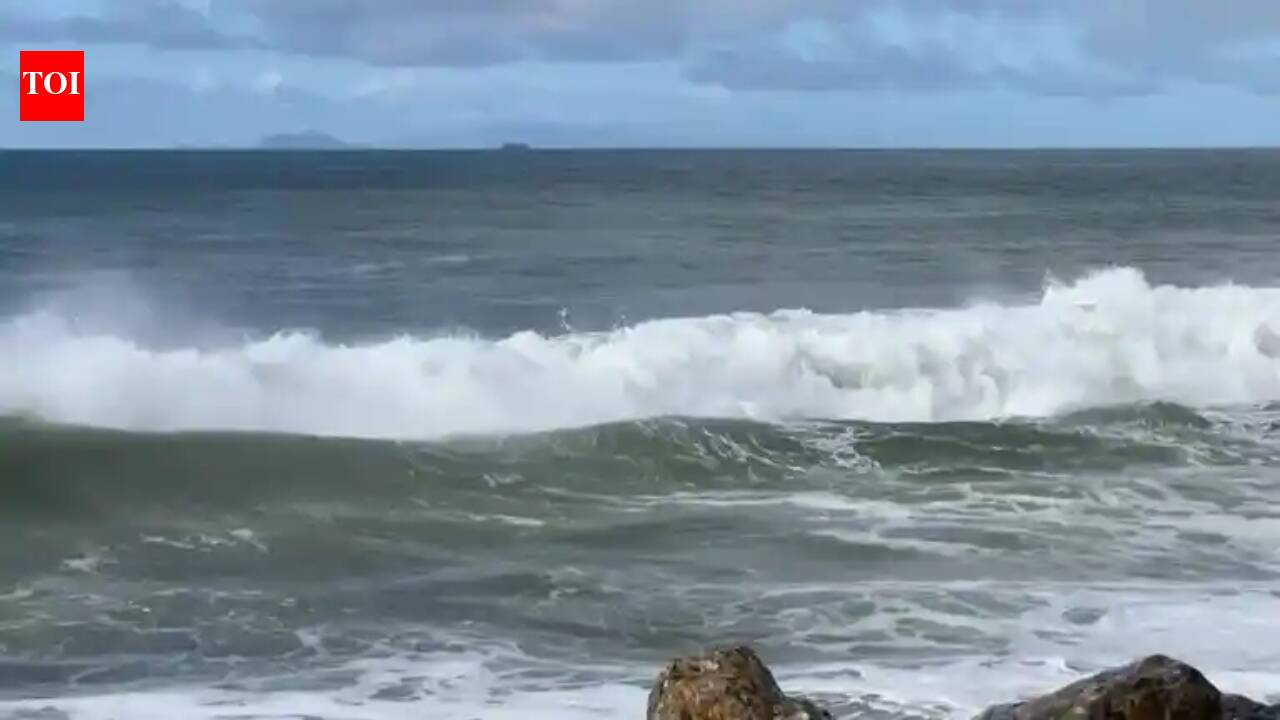
California and Oregon face massive 50-foot waves as powerful Pacific storms approach this week. The National Weather Service warned people to stay away from the water. These storms bring heavy rain and fierce currents to the coast. Experts said, "don't go near the water," as more systems arrive soon.
The Pacific isn't pulling any punches this week. Off the coasts of California and Oregon, wild storms are barreling in, kicking up absolutely massive waves, some even topping 50 feet in certain spots. While the bravest surfers and storm watchers are thrilled, for almost everyone else, this is the time to keep your distance.
What's happening?
As reported by CNN, the National Weather Service (NWS) has sent out urgent warnings: just don't go near the water. Along big stretches of the Northern California coast, waves are expected to roll in at 25 to 35 feet high, with the most exposed locations occasionally seeing towering walls of water up to 50 feet. Oregon's coastline, too, has swells so powerful they're crashing over 30 feet.
And this isn't just a one-and-done event. We're dealing with a series of Pacific storms -- one right after another. Each system stirs up the ocean, brings more rain, pushes up the winds, and renews worries over flooding, erosion, and unexpectedly fierce currents. Here's what's really going on, and what everyone on or near the coast needs to know right now.
The biggest danger? The monster waves
Let's be real: the size of these waves is jaw-dropping. At famous hotspots like Mavericks (where only elite surfers dare paddle out in winter), 40, sometimes 50-foot sets are possible. It's awe-inspiring if you're watching from a safe lookout, but don't let the spectacle trick you into thinking it's safe. Even seasoned locals can get caught out by rogue surges and the sheer force of the ocean during conditions like these. Oregon isn't far behind, with breakers that would swallow up regular beachgoers.
One storm isn't enough; there are more on the way
Meteorologists are on high alert because it's not just one Pacific system knocking. We're in the middle of a relay, with each new round bringing fresh trouble. The weekend kicked off the worst of it, but another system is right behind, expected to stir things up again. By the middle of the week, a third system looks set to raise the risk all over again.
On top of it all, there's an "atmospheric river," which is basically a ribbon of concentrated moisture in the sky, coursing into the region. That means a real soaking for spots in northern California, southern Oregon, and the Sierra foothills, with the hardest-hit places expecting several inches of rain and some mountains possibly piling up two feet of snow.
It's not just about the waves; sneaker waves and rip currents can kill
The tricky thing about storms like this is they mess with your expectations. Sneaker waves, the ones that seem to come out of nowhere, racing farther up the beach than one'd think, are especially dangerous. They've literally swept people (and their pets, and beach logs) off their feet and into dangerous water. And rip currents? If you're not careful, they'll pull you away from shore before you realize what's happening. Even strong swimmers struggle to get back safely.
On top of that, anything on the sand (think logs, debris, even big boulders) can suddenly become battering rams when pushed by a 35-foot breaker.
Communities aren't just watching the water; they're dealing with real risk
Waves this size don't just threaten swimmers. They can sweep over sea walls, smash into jetties, and flood beaches, roads, and even neighborhoods. California has already seen beach flooding, pier closures, and even evacuation warnings along the Santa Cruz coast as a direct result of these monster swells. Repeated pounding by the surf means beaches can start to shrink, as erosion here happens fast. Low-lying communities are watching the tides closely, bracing for the next round.
Safety isn't optional: What everyone needs to remember
In simple terms: don't mess around. Want to take in the drama? Find a high, safe vantage point and stay there. Here's what experts say to do:
* Keep away from the water, period. Just being close, even for photos, isn't worth the risk.
* Stay off rocks and jetties. They might look solid, but one big wave can sweep you right off.
* Always face the ocean. Turning your back, even for a minute, isn't safe. Those sneaker waves are real.
* No swimming or boating until conditions settle. The currents and waves are just too unpredictable and dangerous.
* Check the latest alerts before heading out. Weather can change fast, and local authorities will have the most up-to-date info.The bottom line here? The ocean may look incredible right now, but it's not a safe show to watch up close. Big waves draw crowds, but this is one of those times when respecting nature is the smartest move you can make.