
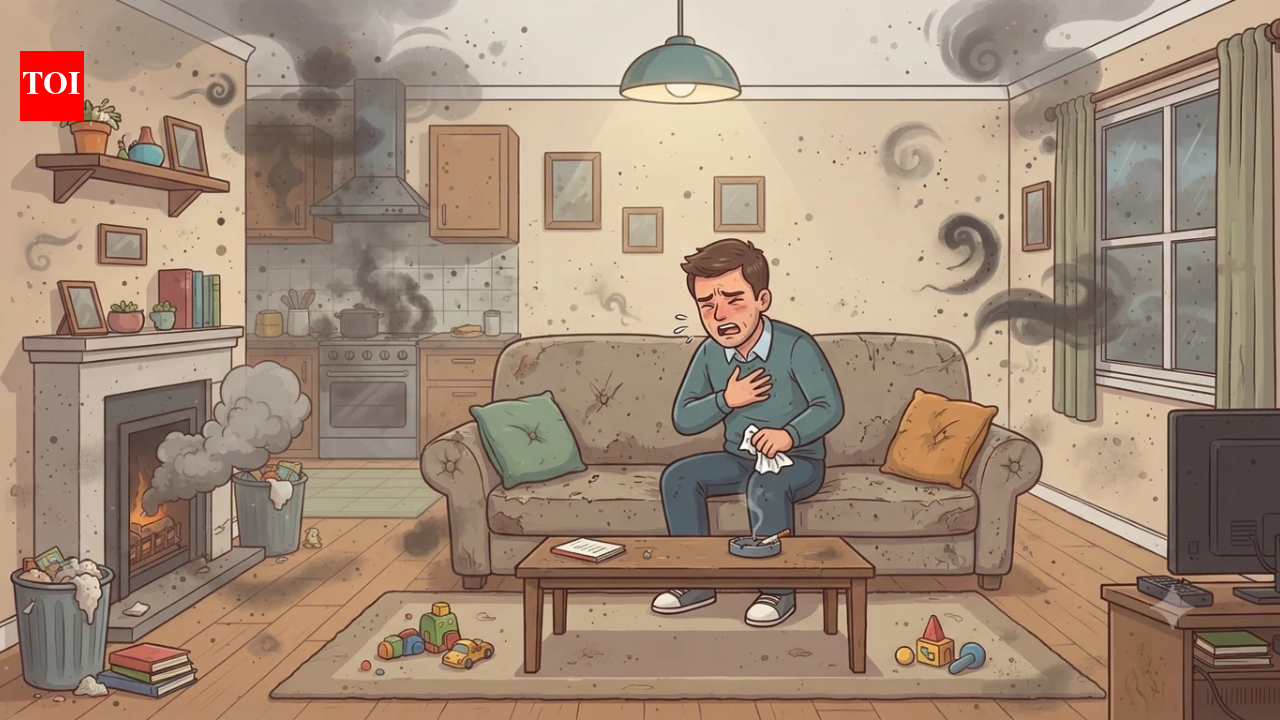
World COPD Day is observed on November 18, 2026, to raise awareness about lung health. Dr. Ankit Kumar Sinha said, "Chronic Obstructive Pulmonary Disease can emerge in people who have never had the habit of smoking." Indoor pollution from biomass fuels often causes many cases, even among those who never smoked.
Image: AI
COPD (Chronic Obstructive Pulmonary Disease) is often assumed as a condition that affects only people who smoke. But that assumption can cause many cases to go unnoticed, particularly in India. World COPD Day is observed every year on the third Wednesday of November to raise awareness about the disease. The day highlights the importance of early diagnosis, better access to treatment and reducing exposure to risk factors. This year, World COPD Day will be observed on November 18, 2026. The tricky part is that COPD does not always announce itself with dramatic symptoms. By the time these symptoms begin interfering with everyday life, the condition may already have progressed. Winter and periods of poor air quality can make things more difficult for people living with COPD. Smoke, dust, household cleaning products and other airborne irritants can aggravate respiratory symptoms. And while families may focus on outdoor pollution, the air inside the home also deserves attention. So, how can someone who has never smoked develop COPD? Which early symptoms should not be brushed aside, and what can families do to reduce exposure to common triggers at home? Dr. Ankit Kumar Sinha, Senior Consultant and Unit Head – Pulmonology, Respiratory & Sleep Medicine, Max Super Speciality Hospital, Vaishali, explains why COPD is not limited to smokers, how to recognise its warning signs and what steps can help protect lung health.COPD is often mistaken for a smoker's disease. Can people who have never smoked develop COPD, and what are the lesser-known causes, particularly in India?Dr. Ankit Kumar Sinha: Chronic Obstructive Pulmonary Disease (COPD) can emerge in people who have never had the habit of smoking. In India, indoor air pollution is one of the major but overlooked aspects of the disease. People who are at the risk of suffering from COPD are mostly found in households where wood and coal, cow dung, and other types of biomass fuels are used for cooking. Also, the long-term exposure of people to pollution from indoor sources gets worsened by poor kitchen ventilation. Furthermore, exposure to outdoor pollution and chemicals used in factory operations can damage the lung tissue. Other sources of danger include recurrent offenses and heredity issues.What symptoms should make someone suspect COPD rather than an ordinary respiratory problem?Dr. Ankit Kumar Sinha: The symptoms of COPD may appear slowly and may be overlooked because they look quite like aging, poor fitness level or frequent seasonal infections. In people suffering from COPD, the major symptoms are continuous breathlessness, a cough that does not disappear, inadequate production of mucus or sputum and wheezing. At the very beginning of the disease, one may have trouble climbing up the stairs, hiking in the mountains, and performing simple tasks done with no effort. In contrast to the common cold, these symptoms tend to remain for long periods of time or gradually become worse. Recurring chest infections and long recovery periods after respiratory illnesses are also signs that it is time to see a doctor. A simple and effective test called spirometry will help determine if a person is ill with COPD.What can families do at home to reduce COPD triggers, particularly during winter and periods of poor air quality?Dr. Ankit Kumar Sinha: Families can limit exposure to COPD triggers by ensuring that air indoors is as clean as can be, especially during the winter months and times when air quality is compromised. People should refrain from smoking inside, limit the use of incense sticks and coils, improve kitchen ventilation and opt for cleaner fuels wherever possible.
Join conversation
Share your thoughts in the comments
Be respectful · TOI community guidelines
Living spaces should not have dust and people should not use cleansing sprays and chemicals. On high pollution days, activities outside that require vigorous exertion should be avoided as well as following doctors’recommendations regarding preventive measures. Asthma patients should use their inhalers regularly and properly. In case of any sudden change or worsening of symptoms, medical attention should be sought.