
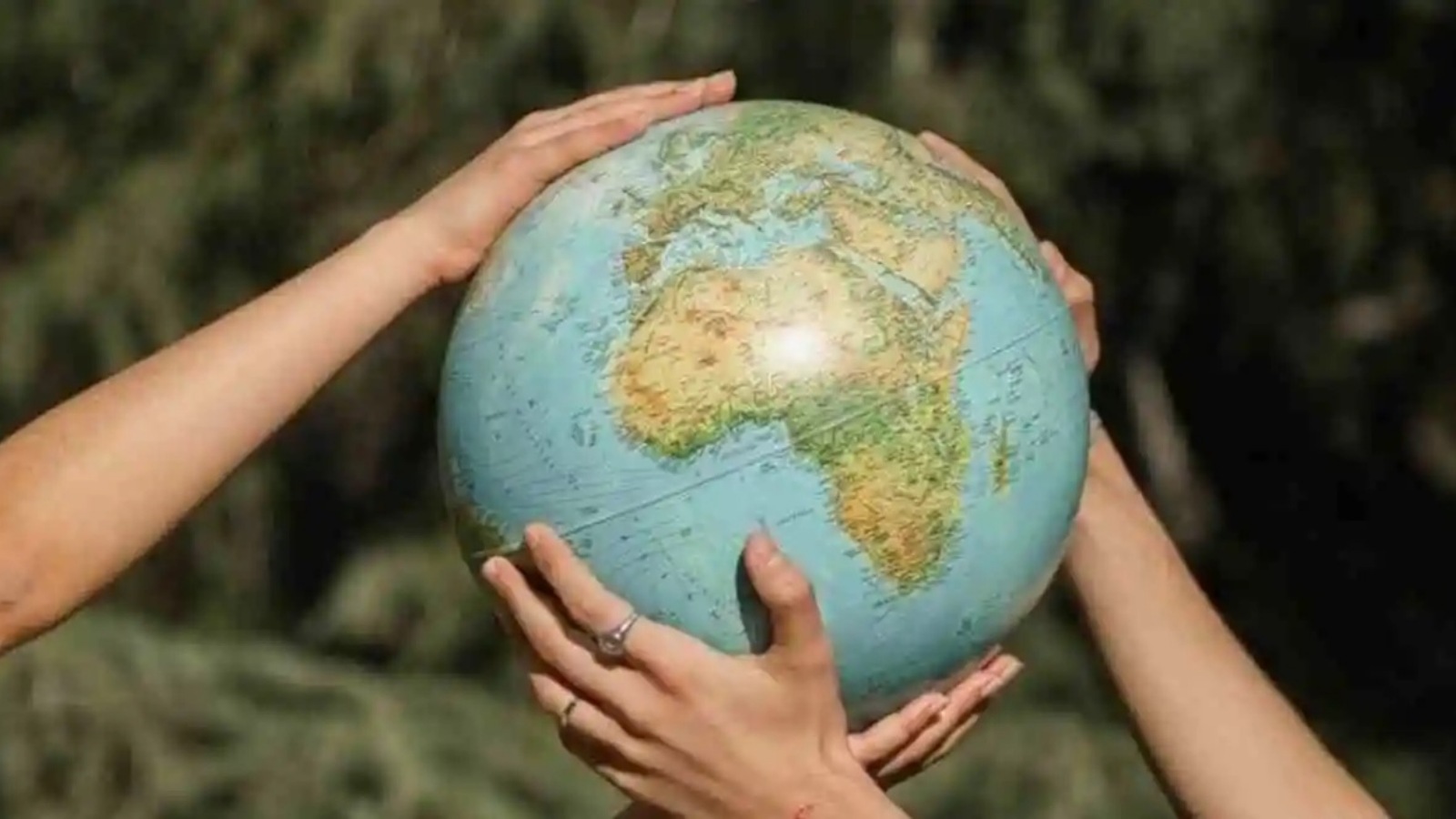
India’s journey toward climate education started with the 1991 Supreme Court M C Mehta judgment, which made environmental literacy compulsory. Recent policies like the National Education Policy 2020 and the National Curriculum Framework 2023 further strengthened this push. Now, many countries joined the UNESCO-led Greening Education Partnership to build green skills.
As a member of Gen X, I stand at the intersection of experience and transformation, having witnessed how environmental challenges have shaped development priorities. In 1972, the UN conference on the human environment catalysed international environmental action. In India, this momentum found constitutional expression in the 42nd Constitutional Amendment Act, 1976, which enshrined environmental protection as both a responsibility of the state and a duty of citizens. The real turning point in India’s environmental learning journey, however, came with the Supreme Court’s M C Mehta judgment in 1991 — it directed that environmental literacy be made a compulsory component of formal education.
The emergence of climate change education coincided with the growing recognition, since 2010, of climate change as a major developmental challenge. This called for a shift in understanding, as awareness had to expand beyond conservation to encompass resilience and sustainability. Climate literacy in education was strengthened through the National Education Policy (NEP) 2020 and the National Curriculum Framework for School Education (NCF-SE) 2023. The national model, Mission LiFE, is also rooted in climate change education (CCE). Globally, CCE is undergoing a similar transition from awareness to action. Italy has systematically integrated climate change and sustainability as compulsory topics in schools, while the US state of New Jersey has incorporated climate change learning standards across multiple subjects and grade levels. The strength of CCE lies in its interdisciplinary and multidisciplinary nature, bringing together scientific, social, economic and policy perspectives. Led by UNESCO, the Greening Education Partnership has emerged as the world’s largest collaborative platform for climate-ready education. Around 100 countries and thousands of organisations have joined the initiative, which spans campuses, curricula, teacher training and community interventions.