
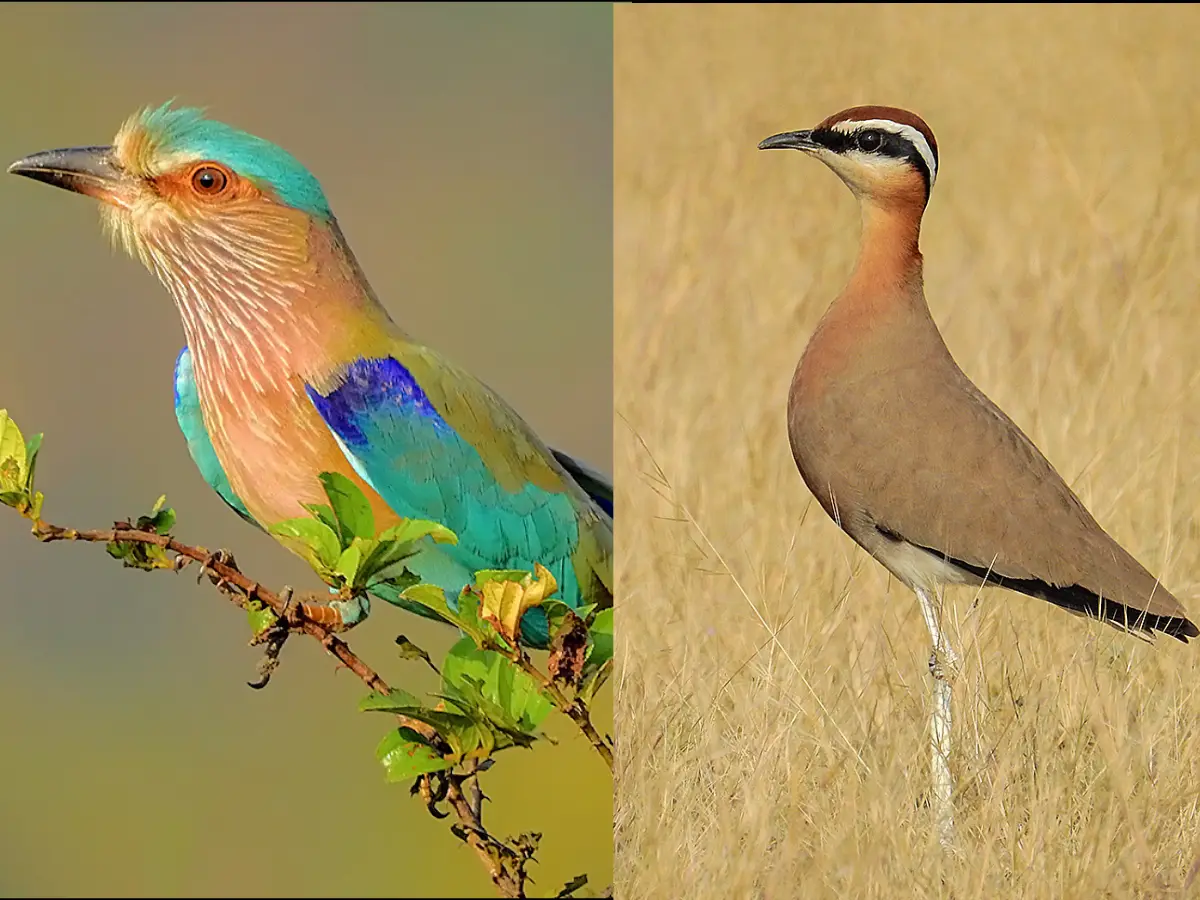
India started a National Red List assessment of 1,211 bird species to boost conservation efforts. Union Minister Kirti Vardhan Singh launched this initiative in October 2025. Experts use citizen science data to track population trends. Vivek Menon said, "Red List assessments are fundamental to identifying extinction risk and setting conservation priorities."
To strengthen biodiversity conservation, India is launching a collaborative National Red List assessment of 1,211 bird species to evaluate extinction risks using comprehensive scientific data.
India has begun a national assessment of the extinction risk faced by 1,211 bird species, as part of a wider effort to lead biodiversity conservation in the Global South. The National Red List of Flora, Fauna and Fungi of India - Vision 2025-2030 was launched at the World Conservation Congress in October 2025 by Union Minister of State for Environment, Forest and Climate Change Kirti Vardhan Singh.
Different teams are working in tandem to carry out the assessment of birds. IUCN SSC Chair Vivek Menon said Red List assessments are fundamental to identifying extinction risk and setting conservation priorities, and that the collaborative assessment of Indian birds shows how the wider expert community can build a more comprehensive understanding of biodiversity.
Citizen contribution
Citizen science data has significantly improved knowledge of bird distribution and geographic ranges in India. Until recently, population trend information was available mainly for threatened species such as vultures and bustards. State of India's Birds (SoIB)has made a major breakthrough by using citizen science data to assess trends for many widespread and common species. Population size estimates, however, remain unavailable for most of India's birds.
What does Red List assess?
Red List assessments require information on at least one of three parameters: geographic range, population size and population trends. To address data gaps, the National Red List Assessment of Birds Forum has been launched as a collaborative platform where ornithologists and conservationists can share expertise, discuss evidence and develop estimates of these parameters.
Nature Conservation Foundation Executive Director Aparajita Datta, who is also Co-Chair of the IUCN Hornbill Specialist Group, said long-term data are essential to understanding population changes. She noted that analysing large volumes of citizen science data offers an unprecedented opportunity to understand trends, including for species with limited systematic monitoring.
More than 100 species have so far been assessed and presented on the forum for expert input. The forum aims to ensure that regional data, recent sightings, population trends and rescue effect are accurately captured before final threat categories are fixed.
The National Red List initiative is designed as a dynamic, phased exercise following the IUCN Red List of Threatened Species, regarded as the gold standard for extinction risk assessment. The first phase aims to assess 11,000 species of flora, fauna and fungi, with later phases expanding coverage to additional species.
The effort is intended to bridge the gap between described and assessed species. It also helps India meet its obligations under the Convention on Biological Diversity (CBD) and aligns with Target 4 of the Kunming-Montreal Global Biodiversity Framework, which calls for halting species extinction.