
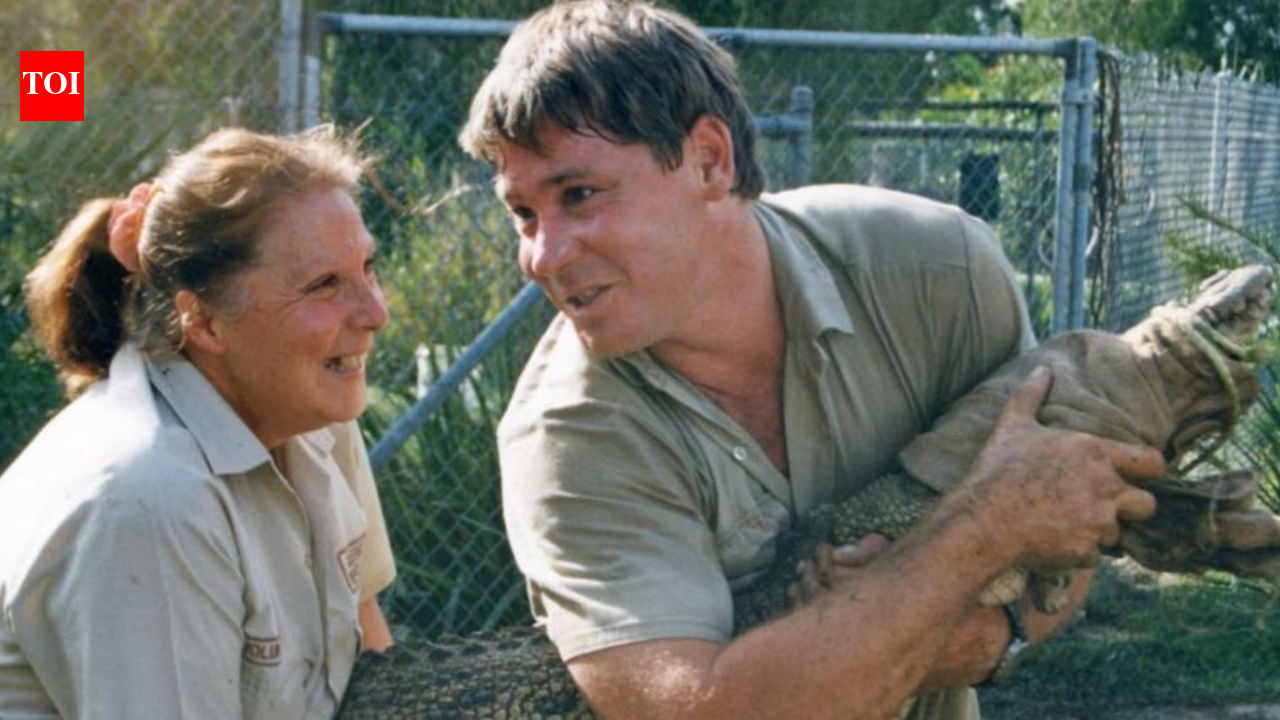
In 2004, Steve and Terri Irwin started a wildlife hospital inside an avocado shed in Queensland. The project grew quickly to help many injured creatures. Over the following two decades, the Australia Zoo Wildlife Hospital treated more than 136,000 animals, providing specialist care for native mammals, birds, and reptiles today.
An avocado packing shed might seem an unlikely place to begin a major wildlife rescue operation, but that was where Steve and Terri Irwin started their hospital in Queensland in 2004. The project grew from a long-standing concern for injured and orphaned animals, inspired in part by Steve's mother, Lyn Irwin, and her work in wildlife rehabilitation. According to Wildlife Warriors, two decades later, the Australia Zoo Wildlife Hospital had treated more than 136,000 animals, marking a considerable change in scale from its modest beginnings. Today, the facility provides specialist veterinary care for thousands of native Australian animals each year.
How Steve and Terri Irwin turned an avocado shed into a wildlife hospital
The hospital's early history is closely linked to Lyn Irwin, Steve Irwin's mother, who cared for wildlife and rehabilitated injured animals. Her ambition to establish a dedicated treatment facility helped shape the project that Steve and Terri went on to develop.In 2004, the couple transformed an existing avocado packing shed into a working hospital. The initial facility offered a practical response to the need for somewhere to treat wild animals that could not be cared for adequately in ordinary veterinary settings.
It also gave the zoo a dedicated base for handling injured wildlife brought in from the surrounding area.
The Wildlife Warriors reported the operation expanded as more animals required assistance. On 15 November 2008, which is observed as Steve Irwin Day, a new hospital building opened to accommodate the growing number of patients. The move marked a significant change from the converted shed, providing a purpose-built setting for wildlife medicine.
More than 136,000 animals treated at Australia Zoo wildlife hospital
By 2024, more than 136,000 animals had passed through the hospital since its early years. The cumulative figure offers a measure of the work carried out since the facility was established, covering animals brought in for a range of injuries and other problems.The hospital continues to receive thousands of patients each year. Wildlife Warriors, the conservation organisation associated with the Irwin family, says between 9,000 and 10,000 animals are admitted over a 12-month period. Patients include native mammals, birds and reptiles, with treatment needs ranging from injuries caused by road traffic to cases involving orphaned young or ingestion of foreign material.
How Australia Zoo provides specialist care for injured native wildlife
The hospital has facilities including a surgical theatre, an X-ray room, intensive care units and a pathology laboratory. Its veterinary team includes wildlife veterinarians and nurses who assess patients and provide treatment suited to different species and injuries.A kangaroo struck by a vehicle may need surgery or rehabilitation, while a young koala without its mother may require specialised care before it can move into the next stage of recovery. Sea turtles brought in after swallowing plastic present a different set of challenges.According to Wildlife Warriors, treatment is provided without charge to the public, and native wildlife is not refused care because of the cost of its treatment. Running the facility nevertheless involves considerable expense, from staffing and medical supplies to maintaining specialist equipment and intensive care spaces.
From Steve Irwin's conservation mission to a major wildlife hospital
Steve Irwin became internationally known for his wildlife television programmes and hands-on approach to conservation. The hospital represents a different part of that work, concentrating on animals that need direct medical attention rather than public education alone.The project also reflects the influence of his mother, whose interest in wildlife rehabilitation helped inspire the facility. What began in a converted agricultural building developed into a larger hospital as the number of patients increased and the need for dedicated facilities became clearer.The Irwin family's conservation work continues through Australia Zoo and Wildlife Warriors, with the hospital providing treatment for native animals brought in by members of the public and others involved in wildlife rescue.