
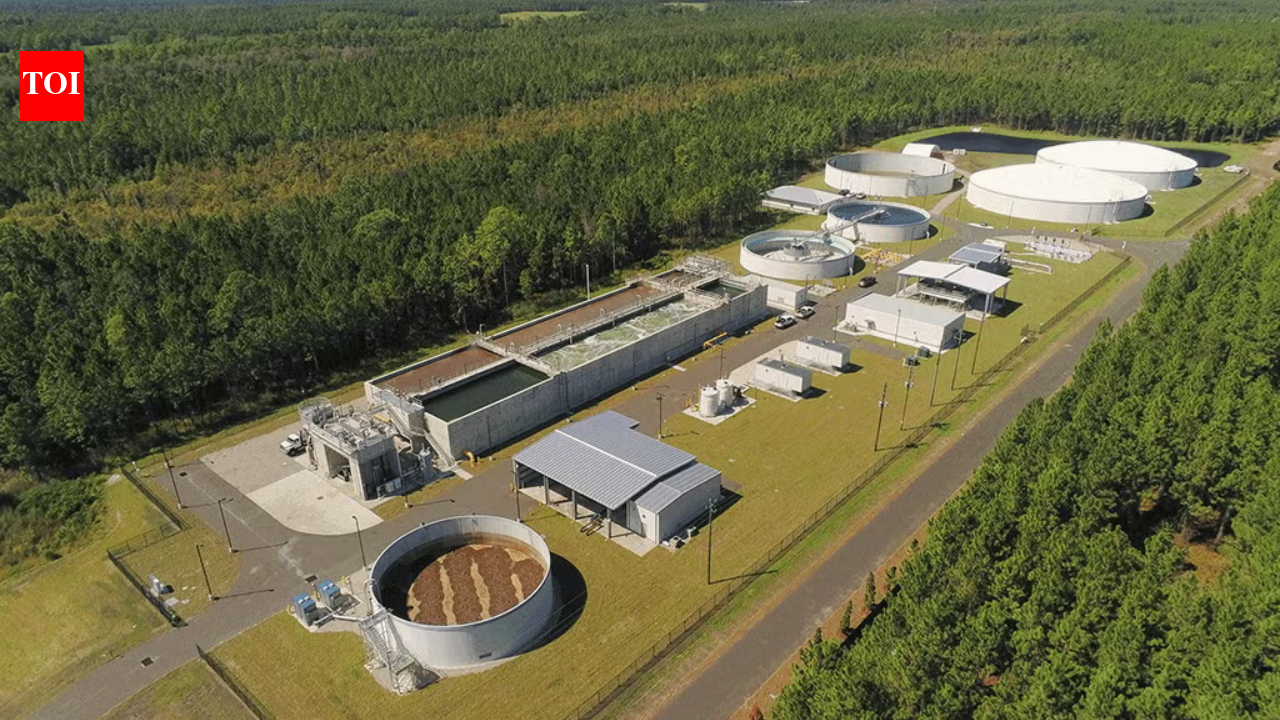
St. Johns County finished a $191.8 million water-reclamation project to treat 3.25 million gallons a day. The plant keeps 1 million pounds of nutrients from the Matanzas River. Senior Engineer Alan Flood said, "This facility represents a transformative investment in St. Johns County's future." It helps save fresh drinking water.
St. Johns County Utilities officials have gathered to celebrate the completion of the State Road 207 Water Reclamation Facility. The $191.8 million project is the largest capital improvement project in the county's history. Located at 3055 State Road 207 in Elkton, the new plant treats wastewater and turns it into reclaimed water that is not safe for drinking but can be used for purposes such as watering lawns and landscapes. By supplying treated wastewater for irrigation, county officials hope to reduce the area's dependence on the Floridan Aquifer, Northeast Florida's main source of fresh drinking water. The project comes at an important time for the region, as local officials continue to monitor drought conditions. According to announcements from St. Johns County Utilities, the St. Johns River Water Management District's Phase III Extreme Water Shortage Order remains in effect. The order follows a shortage of rainfall across the region, with rainfall levels earlier this year measuring more than eight inches below the 12-month average.
Capacity and environmental performance
The facility began operational testing on May 11 and has an initial treatment capacity of 3.25 million gallons per day.
St. Johns County design documents show that the plant was built so its capacity can be expanded in stages. As local demand grows, the facility can increase its daily treatment capacity to 6.5 million gallons. The plant is also designed to meet environmental requirements under Florida Senate Bill 64. This law requires the state to end treated wastewater discharges into surface waters when those discharges do not provide a useful benefit. County estimates show that over the next 20 years, the facility will prevent more than one million pounds of nutrient pollution, especially nitrogen and phosphorus, from entering the Matanzas River. Alan Flood, Senior Engineer for the St. Johns County Utility Department, explained how the facility will help protect local water supplies over time. "This project allows us to substitute a slightly lower quality of water for irrigation, extending the useful life of our aquifer for many years," Flood said. In a separate statement released through the county's public communications, Flood added: "This facility represents a transformative investment in St. Johns County's future."
Engineering and system integration
The $191.8 million facility was built under a progressive design-build contract with Jacobs, an international professional services firm that specialises in engineering and infrastructure. Under this type of contract, design and construction work can take place at the same time, helping speed up the project. Connecting the new plant to the county's existing utility network also required major construction outside the facility itself. The work included: Installing approximately 15 miles of large wastewater and reclaimed water transmission pipes. Building a new main wastewater pumping station. Building a separate reclaimed water booster pumping station to maintain water pressure throughout the distribution network.
Financial structure and municipal operations
The St. Johns County Utilities Department managed funding for the project through an enterprise fund. Under this system, utility service charges and connection fees pay for operating costs and major investments, rather than general property taxes. County records state that average monthly residential utility bills in St. Johns County remain approximately 10 per cent below the regional average. The completed facility adds a major part to St. Johns County's water infrastructure. It gives regional planners a more sustainable way to manage wastewater while helping protect local rivers and underground water reserves.