
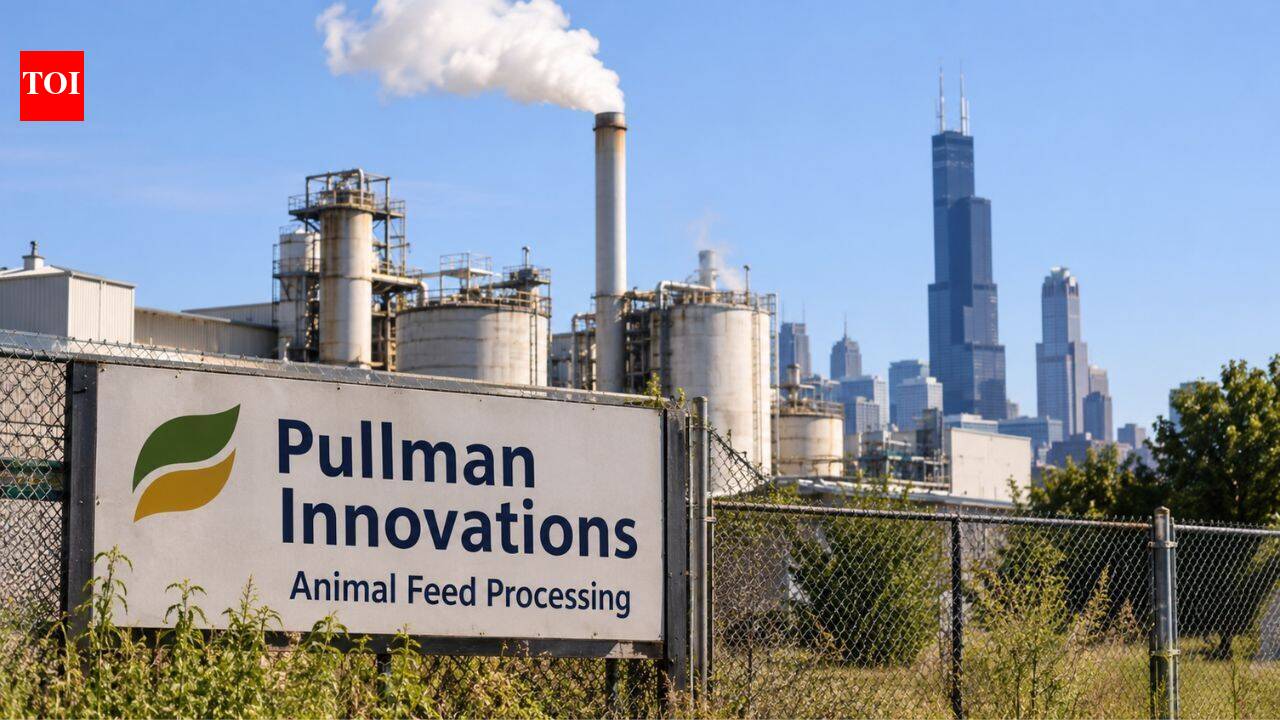
A Chicago judge ordered Pullman Innovations to stop odour-causing operations until January 14, 2027. This followed hundreds of complaints about smells like rotten eggs and sewage. Residents said the odours made breathing difficult. The company must now fix these issues or stay closed to meet environmental laws and city rules.
Hundreds of complaints about foul smells from an animal-feed processing facility on Chicago's Southeast Side have resulted in a court order temporarily stopping its odour-causing operations. A Cook County Circuit Court judge issued the order on October 14, 2026, following legal action by Illinois Attorney General Kwame Raoul and the city of Chicago against Pullman Innovations. Residents have reported smells resembling rotten eggs, sewage, garbage and decaying meat, describing disruptions to everyday activities and gatherings. The order gives the company until January 2027 to address the odour problems or bring its operations into compliance with environmental laws.
Chicago animal-feed plant faces shutdown over persistent odours
According to the Illinois Attorney General's October 14 announcement, the court granted a temporary restraining order stopping odour-causing activities at Pullman Innovations until January 14, 2027, when the next hearing in the case is scheduled. The restriction could end earlier if the company resolves the excessive odours and complies with environmental requirements before that date.Pullman Innovations is operated by A-F Acquisition LLC and processes a by-product of commercial edible oil into animal-feed ingredients.
The Illinois Environmental Protection Agency identifies the facility at 2701 East 100th Street in Chicago, where operations have continued for approximately a decade.
The Illinois EPA explains that the site was previously operated by Agri-Fine Inc. before A-F Acquisition LLC acquired it in 2016 following the former operator's bankruptcy.The facility has been subject to environmental oversight because its operations involve equipment and processes capable of releasing air pollutants. The state agency has received odour complaints dating back to the period when Agri-Fine operated the site.
What prompted the legal action against Pullman Innovations
The legal dispute developed after residents repeatedly reported unpleasant smells affecting their neighbourhood. The Illinois EPA states that hundreds of complaints were documented in the lawsuit, with residents describing frequent odours resembling rotten eggs, garbage, sewage, chemical smells and rotting meat.The August 2026 lawsuit was brought by Attorney General Kwame Raoul, Chicago Mayor Brandon Johnson and the city of Chicago against A-F Acquisition LLC. As outlined in the Attorney General's announcement, the complaint alleged excessive odours, unlawful air pollution, the construction of a boiler without a required permit and violations of conditions attached to the facility's operating permit.According to the Attorney General's office, Chicago inspectors encountered odours that made breathing difficult and caused nausea during inspections conducted in response to complaints. Illinois EPA inspectors also recorded strong smells inside and outside the facility during a February 2025 inspection. In August 2026, another state inspection found overpowering odours in nearby residential areas.
How have the smells affected the surrounding community
The impact of the facility's operations has extended beyond occasional discomfort. Residents living nearby have told authorities that the smells regularly interfere with their ability to use their homes and enjoy outdoor spaces.The Illinois Attorney General's announcement describes people being forced to keep their windows shut because of the nauseating odours. Some residents have reportedly been driven indoors while attempting to enjoy outdoor activities, with the smells interrupting family gatherings and other occasions.The effects have also reached community institutions. According to the Attorney General, nearby schools and a local church have experienced problems linked to the odours. Church members have reported that weddings, funerals and outdoor festivals were sometimes disrupted or ruined by the unpleasant smells.Residents have played an important role in documenting the problem. The Attorney General's office said community members tracked and recorded odour incidents, provided sworn statements and kept both the office and Illinois EPA informed about conditions around the plant.The Illinois EPA's website encourages residents dealing with persistent odours to maintain incident logs, explaining that these records can support its ongoing enforcement work.
Environmental violations have drawn years of scrutiny
The court order follows several years of regulatory action involving the facility. The Illinois EPA records show that the US Environmental Protection Agency issued Pullman Innovations a notice of violation on March 3, 2022, citing alleged breaches of federal clean-air requirements and Illinois' air pollution rules.In January 2025, Illinois EPA rejected the company's application to construct a third natural gas boiler. The agency explained that the boiler had already been installed before the company applied for the required construction permit.A violation notice followed on May 29, 2025. It alleged that Pullman had installed the boiler without permission, allowed odorous emissions, failed to control smells properly, inadequately maintained existing pollution-control equipment and failed to submit required reports about deviations from permit conditions.The agency subsequently referred the violations to the Attorney General's office for enforcement.Other concerns emerged regarding wastewater. The Illinois EPA reported that community members believed smells might also be connected to wastewater discharged into the sewer system. Following an inspection in April 2026, the agency issued another violation notice in May over concerns involving the facility's wastewater pretreatment system.These actions formed part of the wider regulatory background to the lawsuit and the temporary shutdown order.
What changes could be required before operations resume
The court order is intended to provide relief while the legal proceedings continue and the company works towards addressing the problems. The Attorney General's request for a preliminary injunction outlines several measures that could be required to bring the facility into compliance.According to the Illinois Attorney General's announcement, the proposed requirements include submitting a remediation plan to the Illinois EPA for approval and implementing it within an established timeline. The plan would be expected to identify and address the sources of excessive odours and prevent further environmental violations.The motion also seeks an order requiring Pullman Innovations to complete the installation and begin operating a pollution-control device known as a regenerative thermal oxidiser within 120 days. The equipment is intended to reduce emissions of volatile organic material, which can contribute to the facility's odour problems.
The Illinois EPA explains that the company applied to install the device in December 2025 and received a construction permit on June 1, 2026. The application was connected to enforcement efforts over pollution and was not intended to increase the amount of air pollutants the facility is authorised to emit.The temporary restraining order marks a significant development in a dispute that has involved residents, environmental regulators and local government for years.The next hearing, scheduled for January 14, 2027, will consider the Attorney General and city's request for a preliminary injunction requiring the company to address its odour problems and alleged environmental violations.