
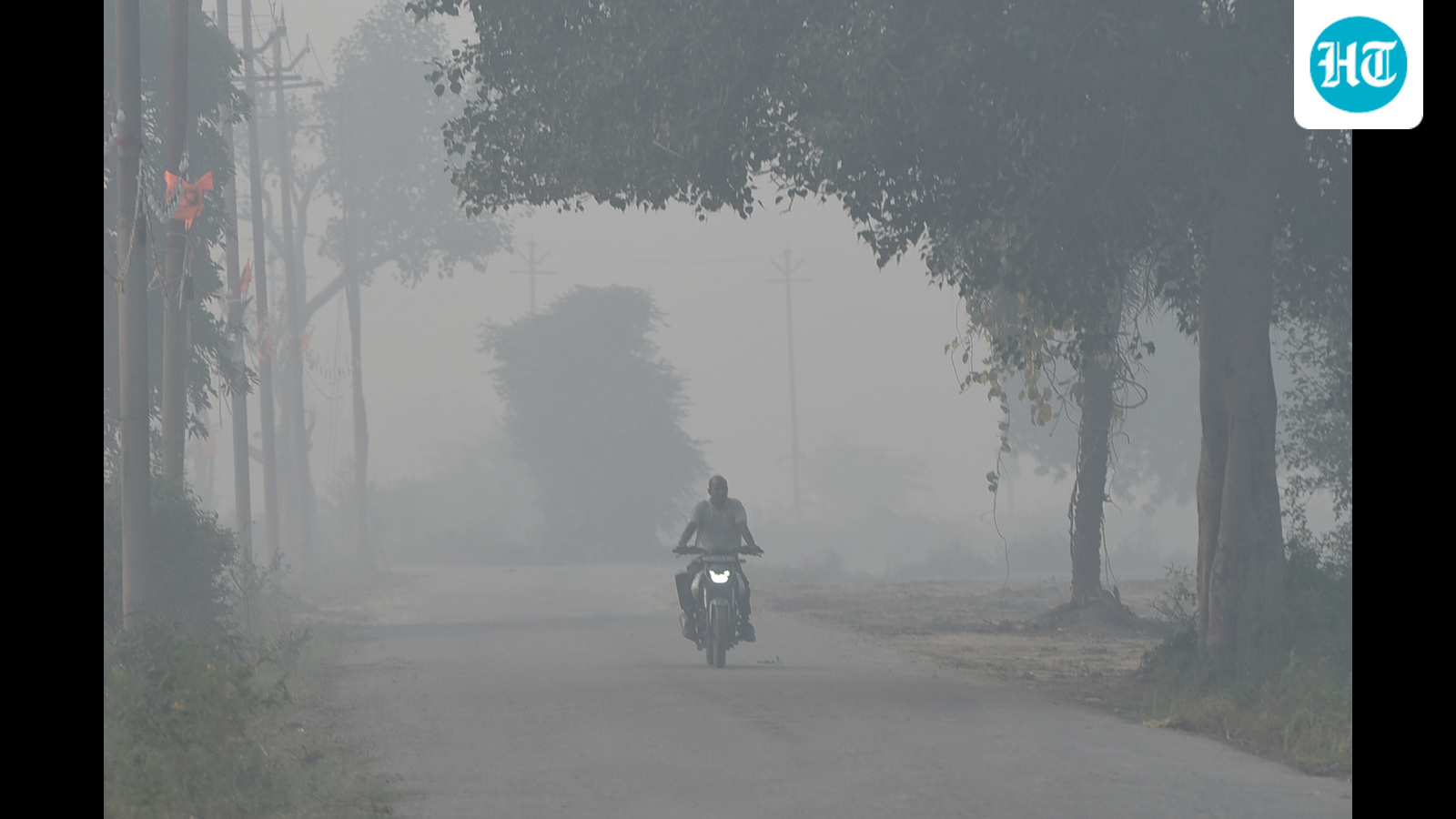
Pune spent ₹275.28 crore of its ₹418.45 crore clean air funds, yet PM10 levels rose from 81 to 101 micrograms per cubic metre since 2019. Dr Rakesh Kumar said, "Water sprinkling and mechanical road sweeping had not delivered the expected results at the required scale." Dust remains a major challenge.
According to the Centre’s Portal for Regulation of Air Pollution in Non-Attainment Cities (PRANA), Pune received ₹9.45 crore under the National Clean Air Programme (NCAP) and ₹409 crore under the 15th Finance Commission. The National Clean Air Programme, launched by the Union Ministry of Environment, Forest and Climate Change in January 2019, aims to improve air quality in 131 cities that do not meet national ambient air quality standards.
Of the total allocation of ₹418.45 crore, ₹275.28 crore has been spent. However, annual average PM10 concentrations increased from 81 micrograms per cubic metre in 2019-20 to 101 micrograms per cubic metre in 2025-26.
Information obtained under the Right to Information (RTI) Act shows that the Pune Municipal Corporation (PMC) has used the funds for road infrastructure, public transport, waste management and cremation facilities. The measures include improvements to 121.4 km of roads, repairs to 19 km of footpaths, the introduction of 36 electric buses and the installation of 65 charging stations.
The civic body has also deployed two mechanical road-sweeping machines and 19 water sprinklers to control dust. In addition, six dry waste collection centres and four construction and demolition waste collection centres have been established.
Despite these interventions, dust generated by construction activities, road works and urban expansion, as well as settled dust being resuspended by moving vehicles, continues to pose a challenge. Experts have called for pollution-control measures to be assessed against measurable improvements in air quality rather than the amount of money spent.
Dr Rakesh Kumar, president of the Society for Indoor Environment, said Pune’s pollution profile could be changing, with dust becoming a more prominent concern even as emissions from combustion sources may have declined.
He said the increased use of BS-VI vehicles, cleaner fuels and electric buses, along with a possible reduction in emissions from open waste burning and solid-fuel use, may have helped bring down PM2.5 levels. However, metro construction, road widening, concretisation and other construction activities continue to generate dust, contributing to PM10 pollution.
Kumar said water sprinkling and mechanical road sweeping had not delivered the expected results at the required scale. He stressed the need to improve construction practices, ensure that road-cleaning equipment is operated and maintained effectively, and adopt interventions suited to local conditions.
He also called for a review of air quality monitoring data, including the location of monitoring stations, measurement methods, frequency of observations and prevailing weather conditions, to ensure that the impact of pollution-control measures is assessed accurately.
Sharmila Dev, a member of the Pune Air Action Hub, said the effectiveness of pollution-control spending should be assessed through outcomes rather than expenditure figures alone.
She said technologies such as mist fountains and fog cannons, along with mechanical road-sweeping machines, should be scientifically evaluated to establish whether they actually reduce pollution. For road-sweeping operations, this would require assessing the length of roads cleaned, the frequency of cleaning, operating hours, and the collection and disposal of the dust removed.
Dev also highlighted vehicle emissions as one of the major contributors to PM10 pollution identified in the city’s emission inventory. She said reducing dependence on private vehicles and strengthening an integrated public transport network connecting buses and the metro should be priorities.
“The focus of pollution-control spending should be on addressing the sources that generate pollution in the first place,” she said.