
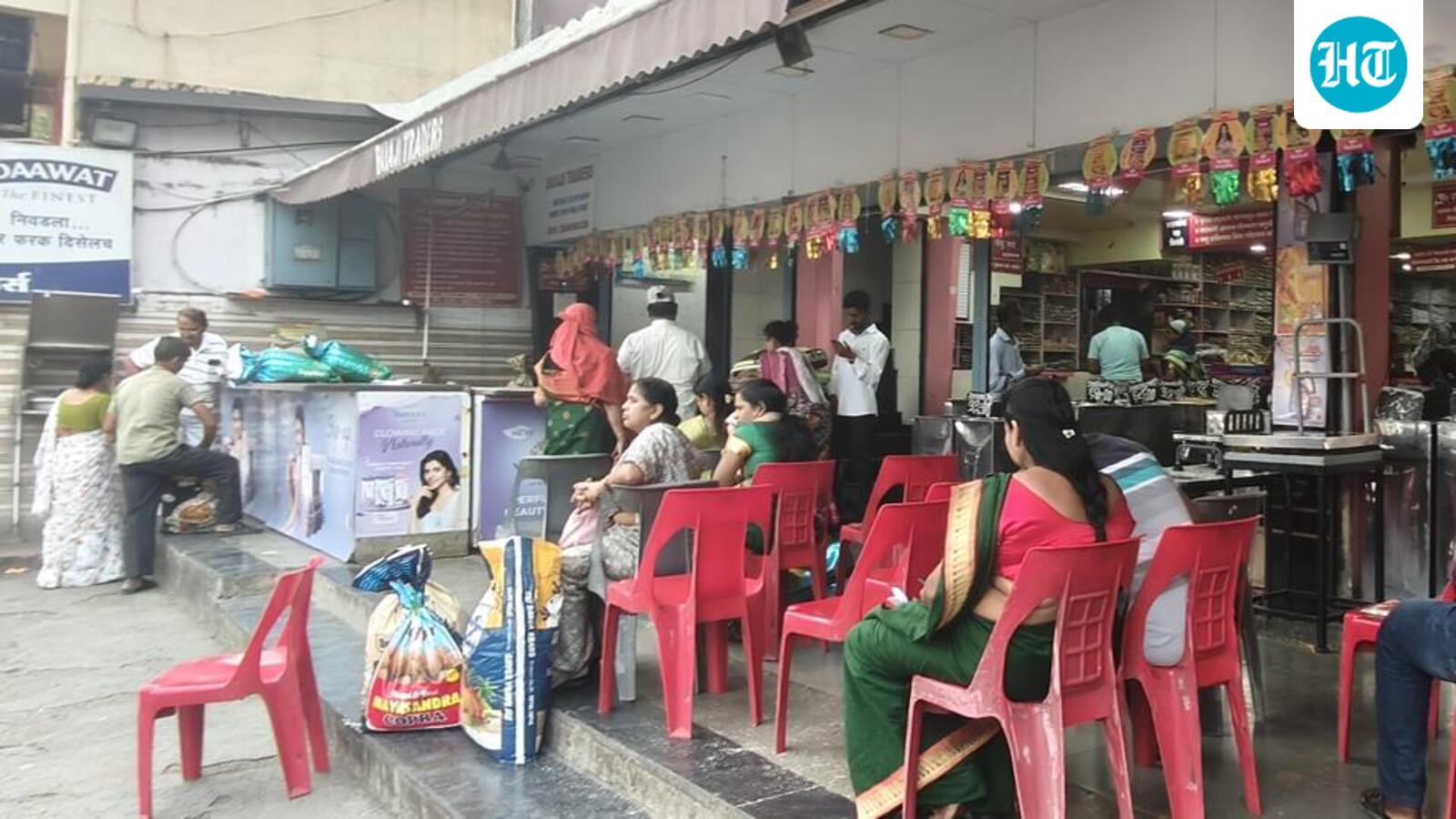
Fears of scarce rainfall and rising rice prices have prompted Pune consumers to stock up on foodgrains. Pratik Tamhane said, “We are worried that the prices of essential foodgrains such as rice and wheat may increase further.” Farmers warned that reduced rainfall could lower output, causing more price pressure.
Fears of a further rise in foodgrain prices amid scarce rainfall and declining agricultural output have prompted consumers to stock up not only on foodgrains but also on essential commodities, with increased buying reported at Pune’s Market Yard and supermarkets such as D-Mart.
The buying spree comes even as prices of foodgrains such as rice climb, with the premium Ambemohor variety selling at ₹180-200 per kg and Indrayani rice selling at around ₹65 per kg. Pune district largely grows these varieties. The rise in rice prices has only added to concerns among households that are already grappling with rising living expenses.
Consumers are purchasing larger quantities of rice, wheat and other staples in anticipation of further price rises and possible supply constraints in the coming weeks. While wholesale traders have reported a rise in rice prices, farmers have warned that reduced rainfall could affect production this season, potentially putting further pressure on prices. The impact of inadequate rainfall on rice cultivation is of particular concern in rain-dependent growing regions where crop yields are closely linked to the availability and distribution of monsoon showers. Farmers said that reduced rainfall during critical stages of cultivation could lower output, tightening supplies as the season progresses. The extent of the impact, however, will depend on actual production levels, existing stocks, and the arrival of fresh supplies in the market.
A rice farmer on condition of anonymity said, “Rice cultivation depends heavily on rainfall, and the deficit has affected crop growth in several areas. If the rain remains inadequate, production is likely to fall this season. Lower output could mean higher prices for consumers while farmers themselves will also face losses because of reduced yields.”
At Market Yard, buyers said that the uncertainty over future prices has prompted them to purchase more grain than they normally would. Similar concerns are driving shoppers to stock up on groceries at large retail outlets, including D-Mart, where consumers are buying essential food items in anticipation of higher household expenditure in the coming months.
Pratik Tamhane, a consumer, said, “We are worried that the prices of essential foodgrains such as rice and wheat may increase further in the coming weeks because of the drought situation. We have decided to buy a little extra now so that we do not have to pay higher prices later.”
Another consumer, Roopali Gaikwad, said, “Household expenses are already increasing and any further rise in foodgrain prices will put an additional burden on our budget. With concerns over possible shortages after Diwali, we are purchasing essential commodities in advance rather than waiting for prices to go up.”
C R Chaudhary, a wholesale foodgrain trader at Market Yard, said, “Rice rates have increased by around ₹10-15 compared to last week. There could be a shortage in the supply of foodgrains after Diwali.”
While consumers are stepping up purchases to hedge against possible price increases, the actual extent of any supply shortage will depend on the season’s agricultural output and market arrivals. Traders and buyers are closely watching the situation as concerns over rainfall and crop production feed into expectations of higher food costs.