
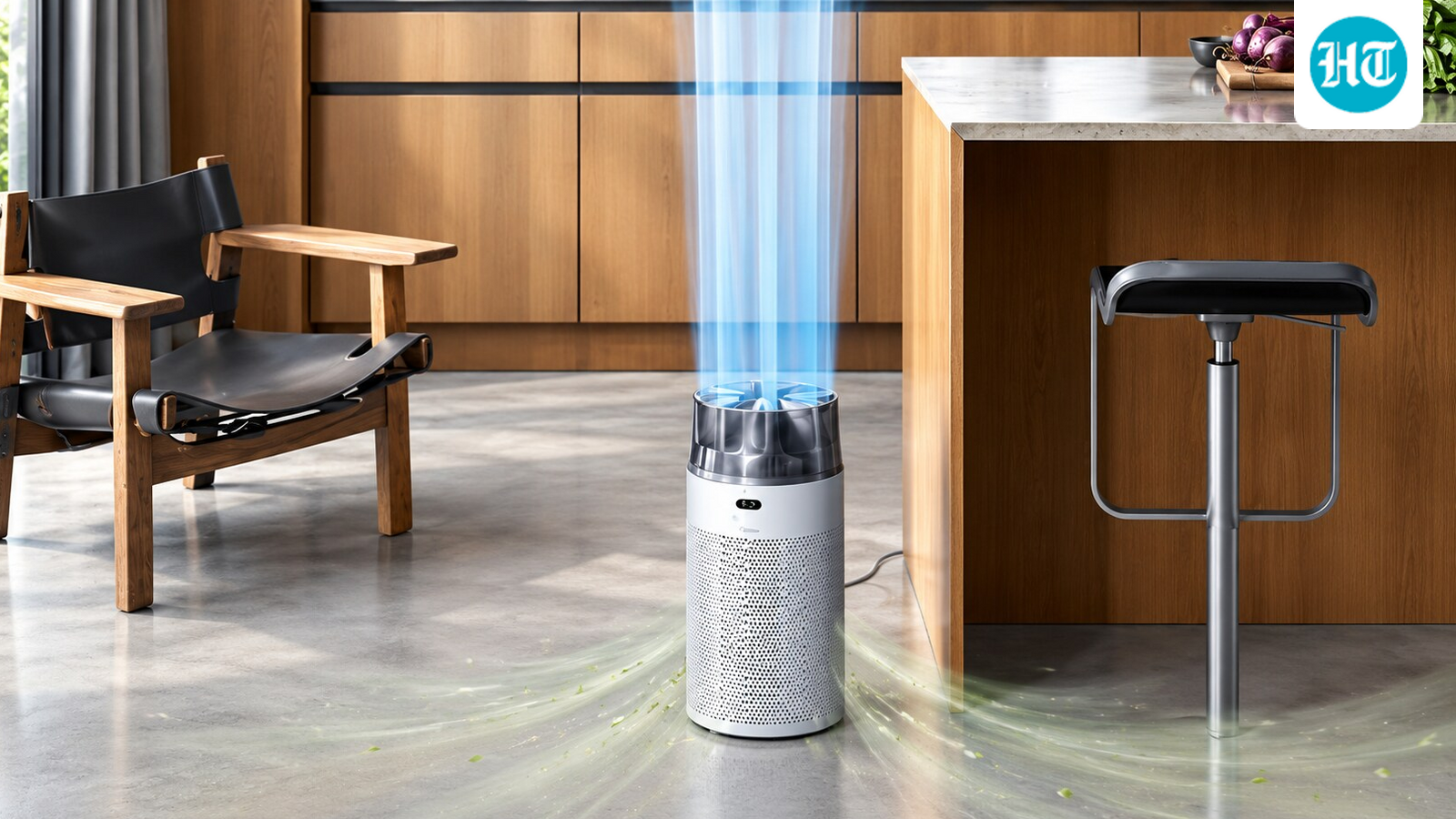
Air purifiers help remove pollutants like PM2.5 from indoor spaces in 2026. These devices use filters to trap dust, allergens, and traffic emissions. While they improve air quality, buyers should check the clean air delivery rate and room size. Remember that filter replacements and electricity use add to the total cost.
For the unversed, an air purifier is equipped with different types of filters that strip the air of different types of particles thereby reducing airborne pollutants, including fine particulate matter such as PM2.5. For homes exposed to traffic emissions, construction dust or seasonal smog, this can make it a useful addition to an indoor air-quality strategy. However, results depend on factors such as the purifier’s clean air delivery rate (CADR), room size, filter quality and how consistently the device is used. Additionally, the purchase price is only one part of the equation. What adds to the overall cost is the replacement price of filters, electricity consumption, and noise levels.
2. Helps tackle airborne dust and allergens: Dust, pollen and some other airborne allergens can circulate indoors, which can contribute to the overall indoor pollution. The right air purifier can reduce these particles, potentially making indoor air more comfortable for people sensitive to airborne allergens.
3. Helps manage pollution in homes near busy roads: Homes located near traffic-heavy roads, construction sites or commercial areas may experience greater exposure to airborne particles. An appropriately sized air purifier can help capture some of these particles indoors, making it a practical option for urban households.
4. Can help reduce certain household odours: Air purifiers equipped with activated carbon filters can help adsorb some gases and odour-causing compounds from cooking, pets and other indoor sources.
5. Useful for households with pets: Pet hair, dander and other airborne particles can affect indoor air quality. An air purifier with effective particle filtration may help capture airborne pet dander, particularly in rooms where pets spend considerable time.
2. Clean air delivery rate (CADR): CADR indicates how quickly an air purifier delivers filtered air. A higher CADR generally means faster particle removal. Choose a model with a CADR appropriate for your room size.
3. Room size and coverage: Check the purifier's recommended room area to the space where you plan to use it. A compact unit may suit a small bedroom, while a larger living room may need a higher-capacity model.
4. Air-quality sensors: Some air purifiers display PM 2.5 readings or adjust fan speed automatically when particle levels change. These features can make daily operation more convenient. However, sensor accuracy varies, and automatic mode may not always respond to every pollutant. Consider these features useful extras rather than must haves.
5. Replacement filter cost: Another factor to consider is the filter replacement cost, which is a recurring expense that can significantly affect the cost of ownership. Before buying, check the price of compatible genuine filters, their expected replacement interval and their availability in India.