
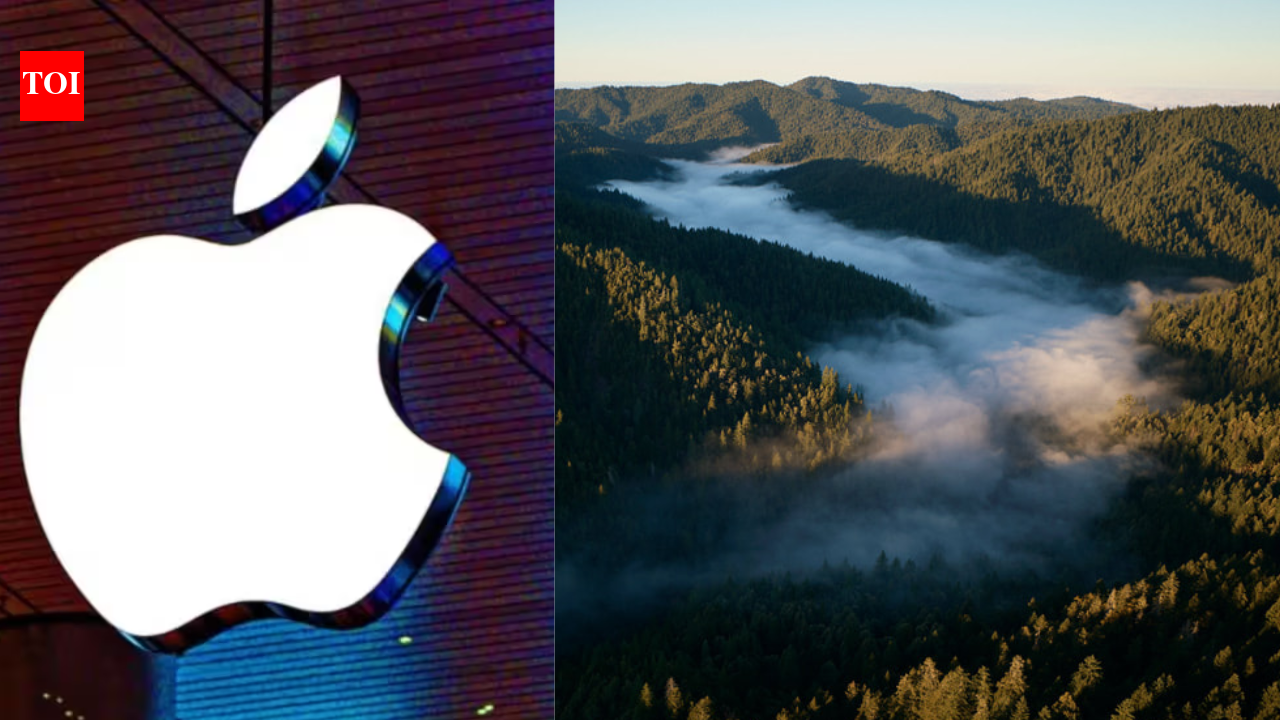
In September 2025, Apple invested in California's 14,000-acre Gualala River Forest to support nature-based carbon removal. This move helps protect redwoods as experts warn 13 million acres of US forests could disappear by 2050. Larry Selzer said, "America's forests are under immense pressure, with 13 million acres at risk of vanishing."
California's coastal redwoods can live for centuries, growing in forests that support wildlife, store carbon and provide work for nearby communities. Yet some of these landscapes remain vulnerable to logging pressures and changes in how the land is managed. In September 2025, Apple announced an investment in the long-term protection and restoration of 14,000 acres of redwood forest in Mendocino County, part of a wider effort to fund nature-based carbon removal. The announcement came against a warning from The Conservation Fund that 13 million acres of American forests were at risk of disappearing by 2050, as reported by Apple Newsroom. The partnership also reflects how technology companies are increasingly financing conservation beyond their own operations.
How Apple and The Conservation Fund plan to protect California's redwood forests
The project centres on the Gualala River Forest in northern California, an area of coastal redwoods that also contains sugar pines and California black oaks. The forest provides habitat for hundreds of wildlife species, while its timber and associated activities contribute to the economies of communities along the northern coast.Apple is working with The Conservation Fund, a US non-profit organisation that acquires threatened landscapes and forests to protect them from degradation.
Under the arrangement, the organisation will continue managing the property with an emphasis on sustainable forestry and long-term restoration. Apple, in return, will receive carbon credits generated as the forest grows and stores carbon over time. Sustainable management of a working forest involves maintaining its ecological value while allowing appropriate economic activity to continue. The partnership is intended to protect the landscape over the long term, rather than treating the purchase of carbon credits as a substitute for managing the forest itself.
The Conservation Fund has been protecting forestland in California's redwood region since 2004, safeguarding more than 120,000 acres across the state during that period. Its existing work with Apple also includes the protection of more than 36,000 acres of working forest in Maine and North Carolina.
Why 13 million acres are at risk by 2050
The scale of the wider threat was highlighted by Larry Selzer, president and chief executive of The Conservation Fund said, "America's forests are under immense pressure, with 13 million acres at risk of vanishing by 2050. This is one of the defining conservation challenges of our time."Forest loss and degradation can affect wildlife habitats, carbon storage and the industries that depend on healthy woodland. In rural areas, forests are also tied to employment, from timber production to activities supporting local businesses. Selzer said American forests supported more than two million jobs.Protecting a working forest presents a different challenge from conserving land where commercial activity is prohibited. The aim is to maintain the landscape's ecological functions while managing the resources it provides. That requires long-term planning, monitoring and decisions about how the forest is used.For Apple and The Conservation Fund, the California partnership offers one way to address those competing demands. Its contribution will be measured over time through the forest's continued growth, its management and the carbon credits generated by the project.
The Restore Fund has expanded beyond its original projects
The California investment forms part of Apple's Restore Fund, launched in 2021 with Goldman Sachs and Conservation International. The initiative was established to encourage investment in nature-based carbon removal, using forests and other ecosystems to draw carbon dioxide from the atmosphere.Apple expanded the programme in 2023 with a fund managed by Climate Asset Management. In 2025, it added direct investments in nature-based projects in the United States and Latin America. By the time of the redwood announcement, the initiative had investments in two dozen conservation and regenerative agriculture projects across six continents. Suppliers TSMC and Murata had also invested in the fund.The projects vary by location and purpose. Some focus on protecting existing natural landscapes, while others involve regenerative agriculture or restoring ecosystems capable of storing carbon. The broader approach gives Apple a way to support projects outside its immediate supply chain, although each investment depends on the conditions of the particular landscape and the work carried out there.
How Apple's Gualala River Forest project supports its 2030 carbon neutrality goal
Apple's environmental investments are linked to its goal of becoming carbon neutral across its entire business footprint by the end of 2030. The company has said it aims to reduce its greenhouse gas emissions by 75% compared with 2015 levels, with carbon removal intended to address the remaining emissions. According to Apple, it had already reduced its emissions by more than 60% against that baseline by the time of the 2025 announcement. The company and its suppliers were aiming to remove 9.6 million metric tonnes of carbon from the atmosphere each year by 2030 through projects around the world.Forests are central to this approach because trees absorb carbon dioxide as they grow and retain carbon in their biomass. Measuring that storage, however, requires more than counting trees. The Conservation Fund monitors selected trees in the Gualala River Forest by recording their height and diameter repeatedly, allowing changes in growth to be tracked over time.Those measurements help establish how much carbon is being stored in the forest. They also provide a basis for monitoring the results of management and restoration activities. For a project that generates carbon credits, the ability to measure and verify carbon storage is an important part of demonstrating its environmental contribution.
Conservation work extends to communities around the world
Apple's work on forests is part of a wider programme of environmental funding. Alongside Restore Fund investments, the company announced grants for conservation organisations and community initiatives in September 2025.Some of that funding was directed towards Conservation International's efforts to develop conservation leadership and strengthen local capacity to protect ecosystems, including mangrove forests in India. Apple also announced further support for the Jane Goodall Institute's global Roots and Shoots programme, which involves community-led environmental and conservation activities.A separate project with The Nature Conservancy was intended to assess the quality of remote-sensing tools used to monitor and verify natural climate solutions. Such tools can help track environmental changes across large or difficult-to-access landscapes, though their reliability needs to be evaluated if they are to support credible measurements of project outcomes.