
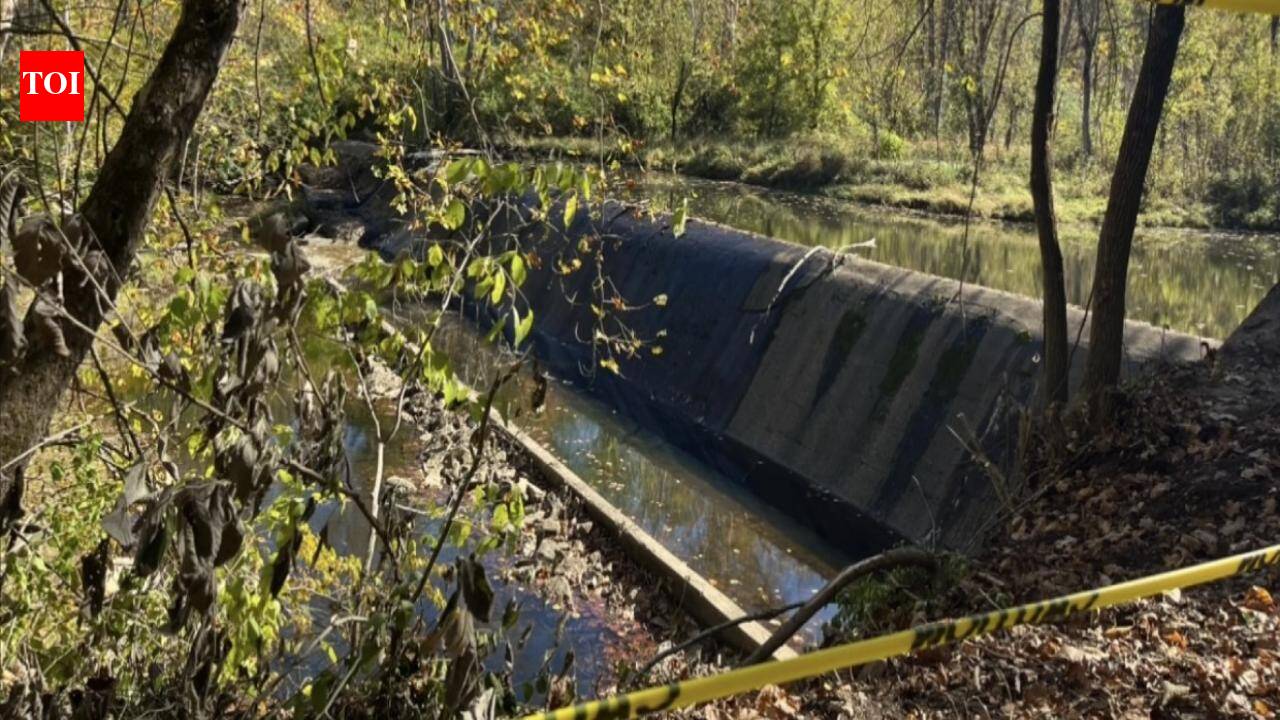
Crews started removing the 200-foot Cloverlick Dam in October 2026 to restore a 14-mile creek in Ohio. Built in the 1940s to supply water to a village, the structure became redundant. Now, officials hope this project will reconnect 70 miles of tributaries and improve water quality for the local ecosystem.
For over 80 years, a concrete dam in Ohio did what it was built for: supplied water to a village. Now, the aging structure is being removed as part of a major restoration project. The aim of the project is bringing a creek back to its natural flow and improving water quality. It also wants to reconnect aquatic habitats that have been separated for decades now. The project was launched in October 2026 and it focuses on Cloverlick Creek in Clermont County, where officials hope removing the old structure will serve wildlife and people who fish, kayak and paddle in the region.
The Cloverlick Dam is 200-foot-long and stands about 12 feet tall. It was built in the 1940s to provide water to the Village of Bethel. However, it has become an old structure and has now outlived its purpose. Bethel stopped operating its water treatment plant along the creek in 2006, leaving the dam redundant.Ohio to remove an 80-year-old damThe removal of the Cloverlick Dam is part of Ohio's H2Ohio initiative. It is a statewide programme focused on improving water quality and protecting natural resources. The Ohio Department of Natural Resources (ODNR) broke ground on the project in October 2026.
It worked with local conservation organisations, county agencies, the US Army Corps of Engineers and the Village of Bethel.
Cloverlick Creek is approximately 14 miles and flows westward from Brown County into Clermont County. It is also part of a larger watershed, with around 70 miles of tributaries that officials want to reconnect through the restoration effort. The creek eventually feeds into William H. Harsha Lake, an important drinking-water source for the region.The problem with the old damIt's not just the age that's the problem. The dam has interrupted the natural flow of water which has created harmful conditions to aquatic life. Water becomes trapped behind the barrier and a pool is created where sediment and nutrients can accumulate. The slower-moving water can also become warmer, while oxygen levels may fall during the summer months.These changes affect the ecosystem. Fish have difficulty travelling. Sediment buildup can also damage the streambed and reduced oxygen can make conditions less suitable for aquatic organisms.As per the Clermont Soil and Water Conservation District, Cloverlick Creek has been classified as an impaired stream because its fish community has declined.A 14-mile creek and 70 miles of tributaries to reconnectOne of the most significant aims of the project is to restore connectivity across the creek. Rivers and streams function as connected systems, allowing fish and other aquatic organisms to move between habitats in search of food, shelter and breeding. A dam can interrupt these natural movements. In Cloverlick Creek, the concrete barrier has prevented fish migrating from Harsha Lake. Officials expect fish and other aquatic life to have a better condition after the structure is removed. The broader aim is to restore the creek's natural flow and reconnecting waterways can help improve habitat quality.Why removing the dam could improve water qualityRemoving the barrier will allow Cloverlick Creek to return towards a more natural flow pattern. However, restoration does not mean that every environmental problem will disappear immediately. The creek will need time to adjust. According to WVXU's report, ODNR programme manager Jon Horn said fish, aquatic insects and other indicators of water quality can respond within a year of dam removal.Safety risk for swimmersCloverlick Dam has also been identified as a public safety hazard. Low-head dams are sometimes called drowning machines because water flowing over their relatively low barriers can create powerful recirculating currents downstream which can trap swimmers sometimes. Removing it is expected to make the creek safer for activities such as paddling, kayaking and fishing.Funding the restorationAccording to ODNR, the H2Ohio Rivers Program is contributing $920,000, while the department's Division of Wildlife received an additional $1.1 million through the federal America the Beautiful Challenge grant programme.The project is expected to be substantially complete by fall 2027, according to the local conservation district.A dam built eight decades ago today is redundant and being demolished. In Cloverlick Creek, the aim is to replace it with a healthier and more connected stream system.