
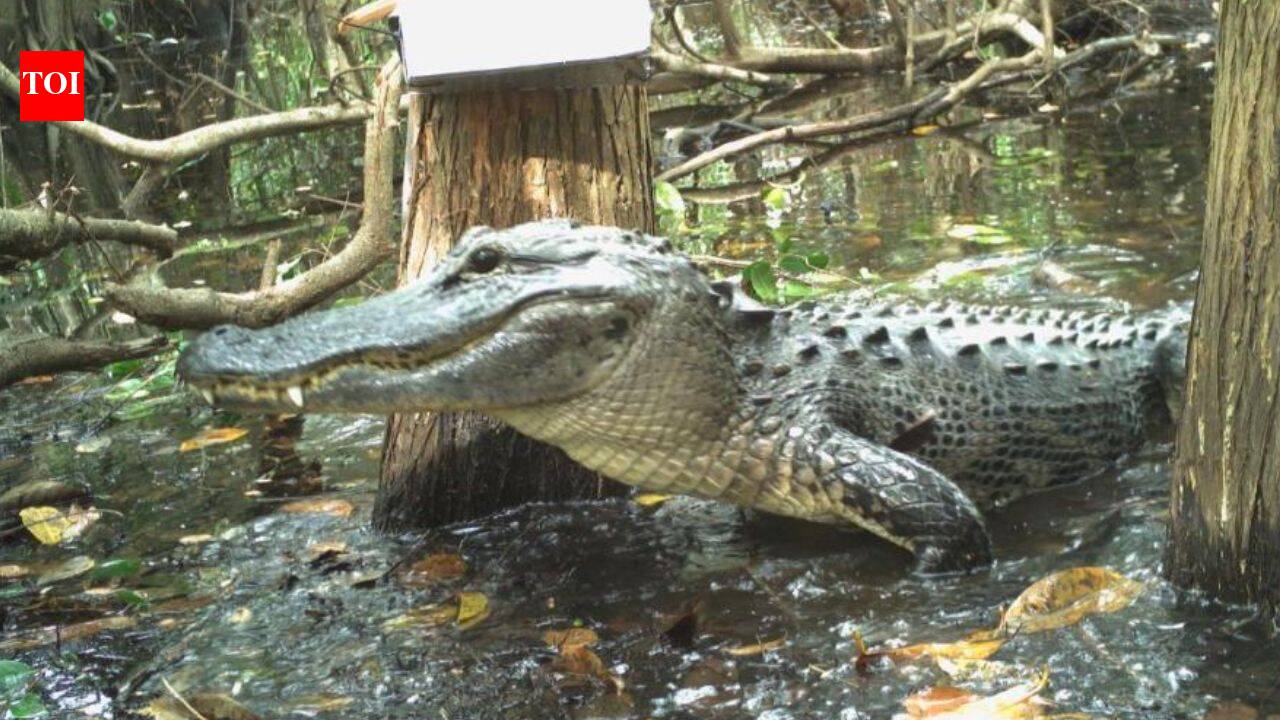
More than 5,500 volunteers classified 100,000 wildlife photographs from Florida's Everglades, recording over 1 million observations of 43 species across 14 management areas. This online project helped researchers monitor animals and saved staff 100 hours of work. The findings also supported studies on Florida panthers and rare bird species.
More than 5,500 people helped Florida researchers identify wildlife in photographs taken by remote cameras across the Everglades region. The online project, Everglades Wildlife Watch, invited participants to examine images collected from 14 Wildlife Management Areas. In its first 12 months, participants classified more than 100,000 photographs, producing over one million classifications. Their work supported wildlife monitoring and several research efforts across the region.
According to the Zooniverse, the classifications helped identify 43 wildlife species across the 14 management areas. The findings also contributed to site inventories and future wildlife management plans in Florida. The work also saved staff time at one site and helped researchers monitor animals during a period of high water.
Everglades Wildlife Watch draws 5,500 participants and records 43 wildlife species
The project's first-year results show the scale of the public contribution. More than 5,500 participants joined Everglades Wildlife Watch during its first 12 months. They classified over 100,000 photographs, creating more than one million classifications. The project team said the work helped identify 43 wildlife species across 14 Wildlife Management Areas.
Participants reviewed images collected by cameras placed in these areas, allowing the project to build records of the animals present.
The results update describes the classifications as useful to several separate research and monitoring efforts. These included work on Florida panthers and bobcats, inventories of mammals at individual sites, and monitoring during a high-water event.
Online volunteers save 100 staff hours and help track rare wildlife in Florida
At Dinner Island Ranch Wildlife Management Area, staff began a large survey in 2023 to catalogue the mammals living in the area. However, they were unable to process the photographs after starting the project. Online participants with Everglades Wildlife Watch took on the image-classification work and saved staff at least 100 hours of processing time. Their work helped confirm the presence of 16 mammal species and 27 species overall at the site.Participants also highlighted photographs of a juvenile Audubon's crested caracara, a federally-Threatened species. The images helped staff fill a gap between breeding-territory survey years and estimate which caracara territories on the property may have been active that year.
Wildlife photographs help monitor Florida panthers and bobcats
The classifications are also being used to support monitoring of feline leukomyelopathy in Florida panthers and bobcats. The project team said the disease is relatively new and not well studied, making the identification of potential cases in wild felines important. No cases of feline leukomyelopathy have been identified through Everglades Wildlife Watch so far. However, the collected data is helping biologists monitor the range expansion, reproduction and overall health of these Florida species.
Volunteers help monitor wildlife during high-water events
The project has also helped researchers monitor wildlife during periods of high water. In autumn 2024, high water across the Everglades complex of Wildlife Management Areas threatened to affect animals living on land. Staff placed cameras on tree islands and other areas that remained above water to assess wildlife condition, stress, and available space.Online participants processed the photographs quickly, helping staff follow conditions across the sites. The information supported decisions about whether management areas should remain closed and when they could safely reopen to the public. The project team said this work also significantly freed up staff time during the event. The images helped monitor deer and other terrestrial wildlife seeking dry ground.