
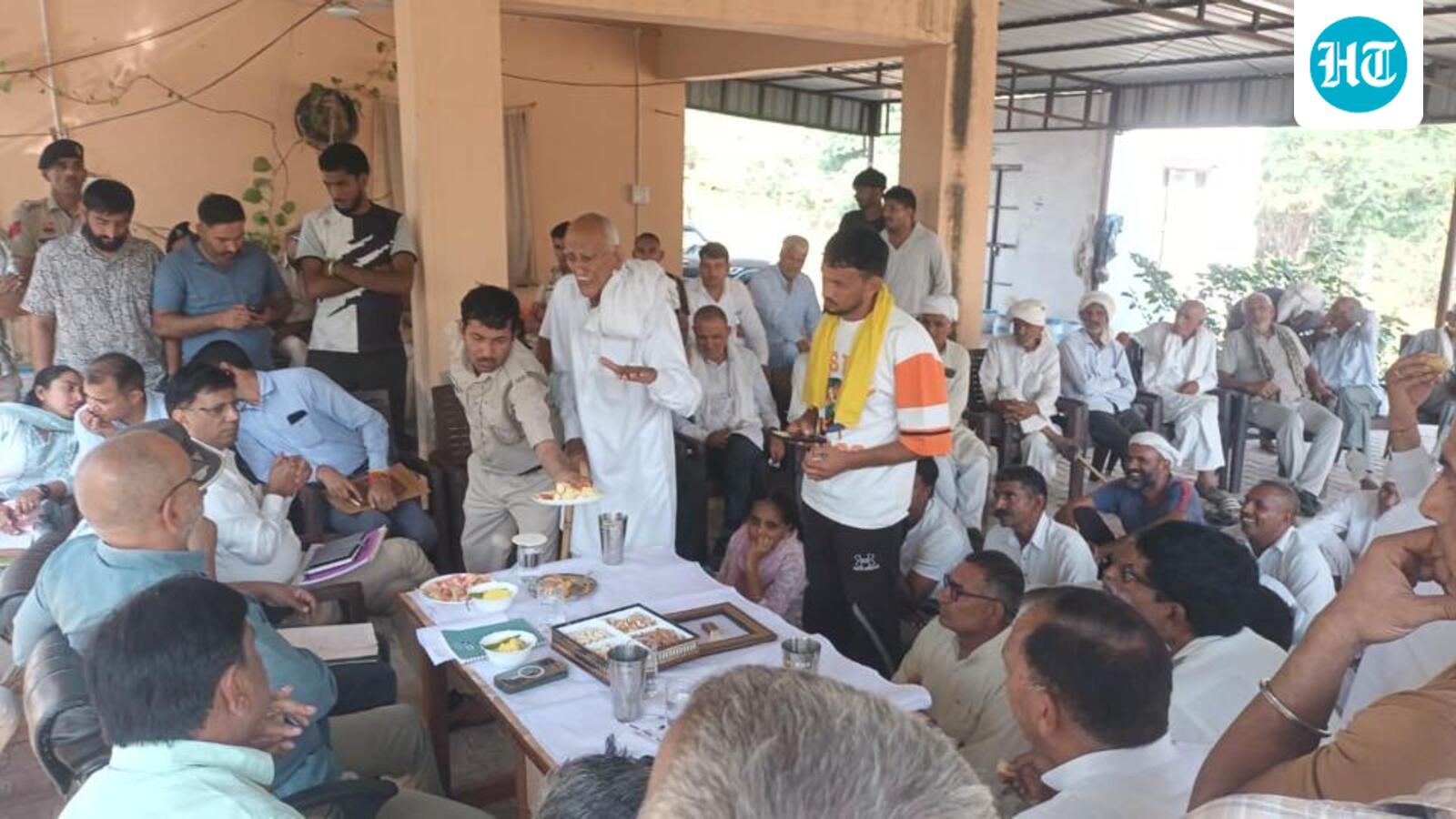
ആരവല്ലി മലനിരകളുടെ അതിർത്തി നിർണ്ണയിക്കാൻ സുപ്രീം കോടതി നിയോഗിച്ച സമിതി ചർക്കി ദാദ്രി, മഹേന്ദ്രഗഡ് എന്നിവിടങ്ങളിൽ സന്ദർശനം നടത്തി. ഖനനം മൂലമുണ്ടാകുന്ന പാരിസ്ഥിതിക നാശം, ഭൂഗർഭജലക്ഷാമം, സംരക്ഷിത വനഭൂമിയിലെ ലേലം എന്നിവയിൽ ഗ്രാമീണർ ആശങ്കയറിയിച്ചു. നിയമവിരുദ്ധ ഖനനങ്ങൾക്കെതിരെ നടപടിയും നാശമുണ്ടായ പ്രദേശങ്ങൾ പുനഃസ്ഥാപിക്കണമെന്നും നാട്ടുകാർ ആവശ്യപ്പെട്ടു.
A Supreme Court-appointed high-powered committee examining the definition and demarcation of the Aravalli hills and ranges visited villages in Charkhi Dadri and Mahendergarh on Tuesday, where residents raised concerns over mining, groundwater depletion, damage to homes and the auction of land notified as protected forest.
The committee held consultations at Ramalwas village in Charkhi Dadri and Rajawas village in Mahendergarh, hearing concerns from residents, farmers and environmental campaigners about the impact of mining on the region's ecology and livelihoods.
Villagers sought action against mining operations allegedly violating environmental norms, restoration of mined-out areas and an investigation into the auction of protected forest land.
The five-member committee was constituted by the Supreme Court on May 25, 2026, to undertake a comprehensive assessment of the proposed definition of the Aravallis and its implications for mining and ecological protection. On September 7, the court extended the deadline for its report from August 31 to November 30, 2026.
The court is re-examining a proposed definition based on a 100-metre height threshold for hills and a 500-metre proximity criterion for ranges, amid concerns that ecologically connected areas could be excluded from protection.
At Ramalwas, Om Prakash, Bhiwani district vice-president of the All India Kisan Sabha, alleged that extensive mining over the past decade had destroyed most of the hills in Charkhi Dadri and adjoining Bhiwani district.
He said mining had damaged forests, grazing grounds and natural drainage systems, while excavation below the groundwater table had contributed to agricultural wells drying up. He sought cancellation of mining leases found to be violating environmental norms and a scientific public health survey across the mining belt.
Sanju, sarpanch of Ramalwas, said mining had damaged local biodiversity and common grazing grounds before the lease was terminated towards the end of 2024. Sanju alleged that blasting had caused cracks in houses and that the village had not received its mandated annual share of mining revenue or lease rent since 2018.
The village sought compensation for ecological damage, clearance of pending dues and restoration of abandoned mining pits into rainwater recharge structures under a scientific plan.
Yogbir Sangwan, an environmental activist from Pandwan village, alleged that mining operators in Pichopa Kalan and Manakwas were extracting minerals beyond their authorised lease boundaries. Sangwan also raised concerns over overloaded mining vehicles, attacks on enforcement personnel and threats to village representatives who complained about blasting.
The allegations could not be independently verified from the material available for this report.
In Rajawas, resident Satyanarayan questioned the auction of land notified as protected forest. A Haryana government notification dated June 20, 2023, declared 506.33 acres in the village as protected forest under the Indian Forest Act, 1927, as part of compensatory afforestation linked to the Great Nicobar project.
Satyanarayan alleged that 119.55 acres of the notified land were put up for e-auction for stone mining and crushing on the same day, without the knowledge or consent of the gram panchayat.
He urged the committee to examine the legality of the auction and recommend protection for the wider Aravalli landscape, spanning more than 20 villages and providing habitats for wildlife including leopards, striped hyenas and rusty-spotted cats.
Residents also raised concerns over falling groundwater levels and the possible impact of mining and stone crushing on village ponds, agriculture and air quality.
The status of the land notification, auction and related approvals could not be independently verified from the material provided.
The Supreme Court's proceedings have focused on establishing a uniform definition of the hills and ranges, identifying areas that may fall outside proposed protection criteria, and assessing the ecological consequences of mining even where it is regulated.
Neelam Ahluwalia, co-founder of Aravalli Virasat Jan Abhiyaan, said the consultations had allowed rural communities to present their concerns directly to the committee. She sought restrictions on mining in water-stressed areas, cancellation of leases found to be violating environmental norms and a cumulative assessment of environmental and public health damage across the Aravalli landscape.
The committee's findings will inform the Supreme Court's examination of the extent of protection required for the Aravallis and the safeguards needed to regulate mining across the region.