
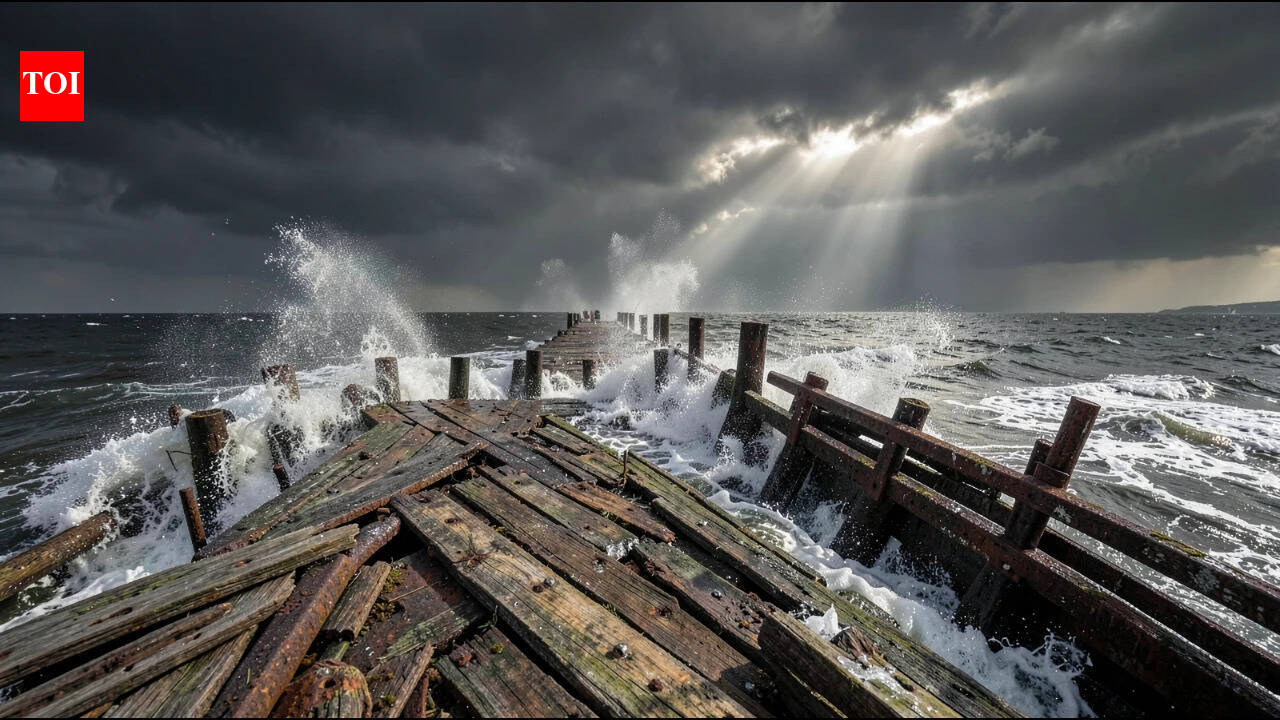
ഒക്ടോബർ 23-ന് വീശിയടിച്ച ഓസ്റ്റൻ കൊടുങ്കാറ്റിൽ ബ്രൈറ്റണിലെ ചരിത്രപ്രസിദ്ധമായ വെസ്റ്റ് പിയറിന്റെ ഒരു ഭാഗം കടലിലേക്ക് തകർന്നു വീണു. 1866-ൽ നിർമ്മിച്ച ഈ വിക്ടോറിയൻ നിർമ്മിതി ദശാബ്ദങ്ങളായി ജീർണ്ണാവസ്ഥയിലായിരുന്നു. തീപിടുത്തങ്ങളും തുടർച്ചയായ കൊടുങ്കാറ്റുകളും ഈ പൈതൃക സ്മാരകത്തെ പൂർണ്ണമായും തകർത്തു.
Part of Brighton's West Pier collapsed into the sea on Friday, October 23, as Storm Austen brought strong winds to southern England. The Victorian structure, which opened in 1866, has been deteriorating for decades. It closed in 1975, lost sections during storms in 2002 and suffered two devastating arson attacks in 2003. The West Pier Trust describes the remains as being in a state of active collapse and warns that the structure is dangerous and should not be approached. A second storm, Boelo, brought further disruption across the UK over the weekend of October 24 and 25, including power cuts, transport problems and the deaths of two men in separate incidents involving falling trees.
A Victorian landmark shaped by storms, fire and decades of decline
The West Pier was designed by engineer Eugenius Birch and opened in 1866. It became a prominent feature of Brighton's seafront before closing completely in 1975 because of safety concerns. Sections of the structure were lost to storms in 2002, followed by two arson attacks in 2003 that caused extensive damage. The pier is Grade I listed, reflecting its architectural and historic significance. However, its exposed position and continuing deterioration have left much of the structure beyond conventional restoration.
A section fell into the sea on October 23 as Storm Austen passed the south coast, according to the Associated Press. The agency quoted historian Fred Grey describing how the pier had been gradually eroded by natural forces since the 2003 fires.
The Met Office's observations for midnight to midday on Friday, October 23, recorded a maximum gust of 76 mph at St Mary's Airport in the Isles of Scilly and 74 mph at Aberporth in Wales. These readings cover that specific period rather than the full duration of Storm Austen. The storm also affected electricity supplies. The Associated Press reported that more than 31,000 homes in southwest England remained without power by mid-afternoon, citing National Grid. Engineers had restored power to more than 52,000 properties since the storm began, a separate cumulative figure.
Why the West Pier cannot simply be stabilised
The West Pier Trust says the remains have been in a state of active collapse for three decades. Its official website warns visitors that the structure is dangerous and should not be approached. The Trust also says it has no funds to maintain the ruin in a stable condition and that stabilisation is not technically feasible. In a statement reported by local outlet ImJustBrighton, the Trust's honorary historian described stabilising the remains as too dangerous and costly. The structure is therefore expected to continue changing as sections deteriorate and fall away. The Trust has also described the possibility that the remains could eventually form an offshore reef visible at low tide. The pier's condition illustrates the challenges involved in preserving historic structures exposed to the sea. Its listed status recognises its heritage value, but that designation does not remove the practical and engineering difficulties of maintaining a severely damaged structure in an exposed marine environment.
Storm Boelo brings further disruption across the UK
Storm Boelo followed Storm Austen, bringing strong winds and heavy rain to northern parts of the UK over the weekend of October 24 and 25. In its October 22 forecast, the Met Office issued a Yellow wind warning covering the whole of mainland Scotland, the Western Isles, Orkney and the far north of England. The warning was in force from 6 pm on Saturday, October 24, until 9 pm on Sunday, October 25. The forecast warned of widespread gusts of 55 to 65 mph, with speeds of 70 to 80 mph possible in more exposed coastal locations. Subsequent warnings were upgraded in some areas as the storm approached. The Met Office recorded a maximum gust of 84 mph at Machrihanish in Argyll and Bute and 82 mph on the Isle of Tiree, according to STV News.
Two men died after trees fell during Storm Boelo on Sunday, October 25. One was a 60-year-old man in Dumfries and Galloway, Scotland. The other was a man in his 20s who died after a tree struck his car in north London, according to reports. The storms also disrupted electricity supplies and transport. The Energy Networks Association reported that 838,700 UK properties had been affected by power cuts across Storms Austen and Boelo combined. Network Rail warned of major disruption to rail journeys in northwest England on Sunday, October 25, after heavy rain flooded tracks and strong winds brought down overhead power lines in several locations. The successive storms highlighted how high winds and heavy rainfall can affect infrastructure, transport networks and historic sites in different parts of the country. For coastal structures such as the West Pier, the effects of severe weather add to damage accumulated over many years.
What research says about climate risks to historic coastal sites
Research published in Nature Communications in 2018 examined climate-related risks to 49 cultural World Heritage sites in the Mediterranean region. The study found that 37 sites were exposed to flood risk and 42 to coastal erosion, using the base year 2000 for its assessment. Under the study's high-end sea-level-rise scenario, defined by the 95th percentile of Representative Concentration Pathway 8.5 (RCP8.5), the regional mean flood-risk index rose from 3.7 to 5.5, an increase of almost 50%. The regional mean coastal-erosion risk index increased by 13% by 2100 under the same scenario.
The research did not examine Brighton's West Pier, and its figures should not be applied directly to the structure. It nevertheless provides wider context for the risks facing coastal heritage sites as sea levels rise and erosion continues. Individual sites face different combinations of exposure, structural condition, historical damage and available resources for conservation. For the West Pier, the immediate issue remains the management of a historic ruin that continues to deteriorate. The Trust advises visitors to keep away from the structure as its condition changes.