
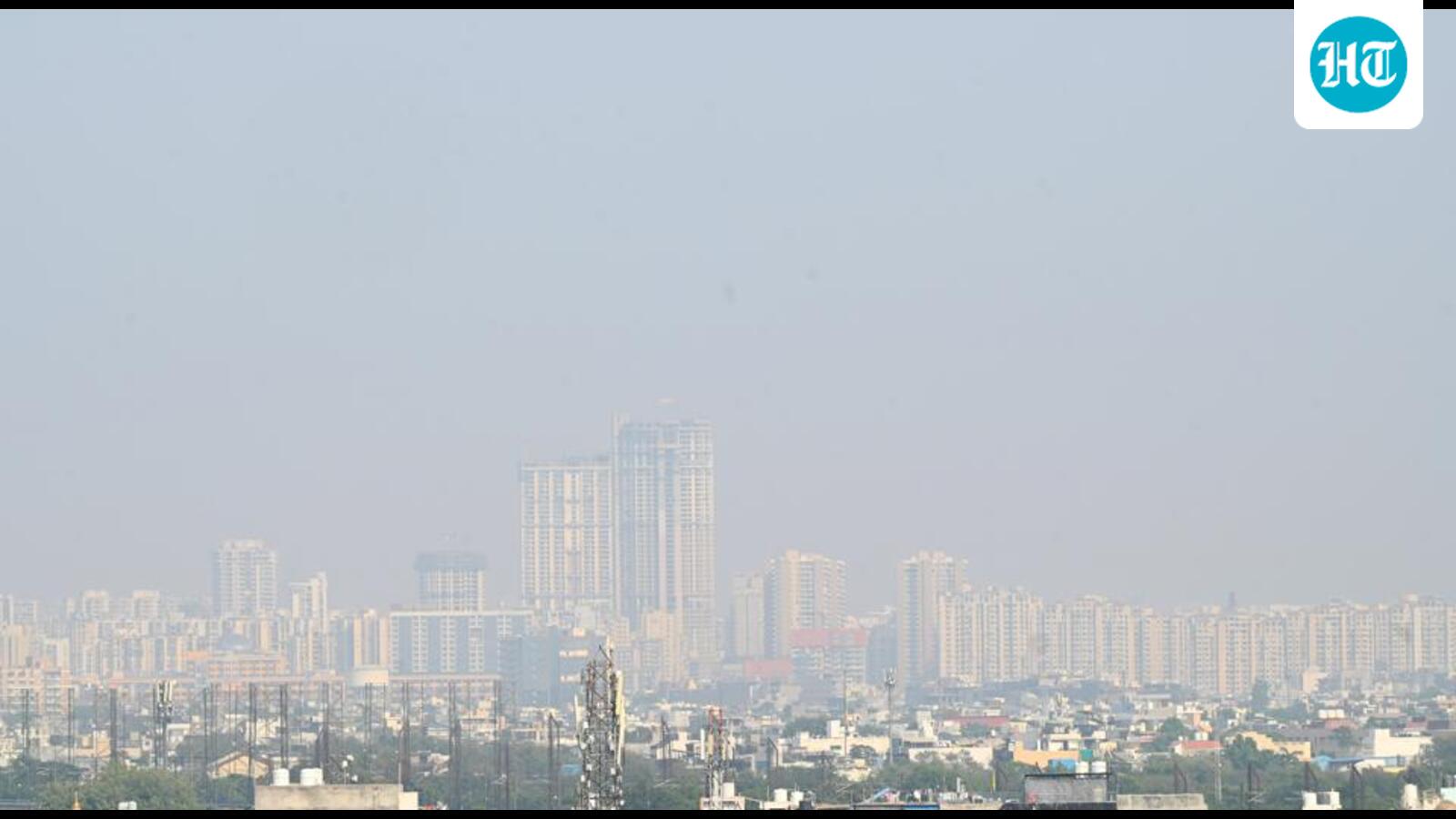
നോയിഡ, ഗ്രേറ്റർ നോയിഡ, ഗാസിയാബാദ് എന്നിവിടങ്ങളിൽ വായുനിലവാര സൂചിക (AQI) യഥാക്രമം 247, 220, 213 എന്നിങ്ങനെയായി ഉയർന്നു. ഇത് 'മോശം' വിഭാഗത്തിലാണ് ഉൾപ്പെടുന്നത്. വ്യാഴാഴ്ച ഡൽഹി-എൻസിആർ മേഖലയിൽ മഴയ്ക്ക് സാധ്യതയുണ്ടെങ്കിലും വായുനിലവാരത്തിൽ കാര്യമായ മാറ്റമുണ്ടാകില്ലെന്ന് കാലാവസ്ഥാ വിദഗ്ധർ മുന്നറിയിപ്പ് നൽകുന്നു. വിവിധ സെക്ടറുകളിൽ മലിനീകരണം രൂക്ഷമാണ്.
According to official bulletin, AQI of Noida was 247 while 220 in Greater Noida and 213 in Ghaziabad.
The Central Pollution Control Board (CPCB) classifies an AQI of 0-50 as “good”, 51-100 as “satisfactory”, 101-200 as “moderate”, 201-300 as “poor”, 301-400 as “very poor” and 401-500 as “severe”.
The air worsened a day before a forecast of light rain and thunderstorms across parts of Delhi- NCR, which could bring a temporary change in weather conditions but may not necessarily translate into sustained improvement in air quality, said weather experts.
To be sure, Noida’s city-level AQI was 131 on October 25, 157 on October 26 and 164 on October 27, before rising sharply to 247 on Wednesday. Greater Noida recorded 134, 146 and 82 on the corresponding dates, before its AQI rose considerably to 220 on October 28.
Station-level readings showed pockets of considerably worse air quality.
Sector 62 in Noida recorded an AQI of 306, the highest among the seven active monitoring stations listed for the city. Sector 150 and Sector 110 recorded 269, Sector 1 recorded 253, Sector 39 recorded 230, Sector 125 recorded 220 and Sector 116 recorded 200.
In Greater Noida, Knowledge Park V recorded an AQI of 229, while Knowledge Park III registered 211. Both stations were in the poor category, according to the app.
The data also showed that all seven listed monitoring stations in Noida and both stations in Greater Noida were active at the time of the update at 3pm.
The Central Pollution Control Board (CPCB) classifies an AQI of 0-50 as “good”, 51-100 as “satisfactory”, 101-200 as “moderate”, 201-300 as “poor”, 301-400 as “very poor” and 401-500 as “severe”.
The Gautam Budh Nagar district, which includes Noida and Greater Noida, meanwhile, recorded a maximum temperature of 31°C and a minimum of 18°C.
Mahesh Palawat, vice-president of meteorology and climate change at Skymet Weather, said the approaching western disturbance was expected to influence weather conditions across northwest India.
“Delhi NCR is expected to experience increasing cloud cover on October 28, followed by very light to light rainfall and thunderstorms on October 29,” he said.
Palawat’s forecast indicates that thunderstorms could bring surface winds of 30–40 kmph on Thursday. The more active period is expected during Thursday afternoon and evening, although the distribution and intensity of rainfall may vary across the region. Patchy rain could continue into October 30.
“Rain may wash some pollutants out of the atmosphere, while stronger winds could help disperse pollutants. However, the extent and duration of any improvement would depend on rainfall, wind direction, atmospheric mixing and continuing emissions. A brief spell of light rain alone may not be enough to ensure sustained cleaner air,” he said.
“There is a layer of haze, and with the pollution levels rising, we are trying to avoid spending too much time outdoors. Hopefully, the rain brings some relief, even if it is only temporary,” said a Noida’s Sector 62 resident Siddharth Singh.
In Ghaziabad, the city-level AQI stood was in the “poor” category on Wednesday, a shar rise from 140 on October 27 and 142 on October 26.
The monthly AQI calendar showed that pollution levels fluctuated through October, with the index reaching 248 on October 4 and 241 on October 23.