
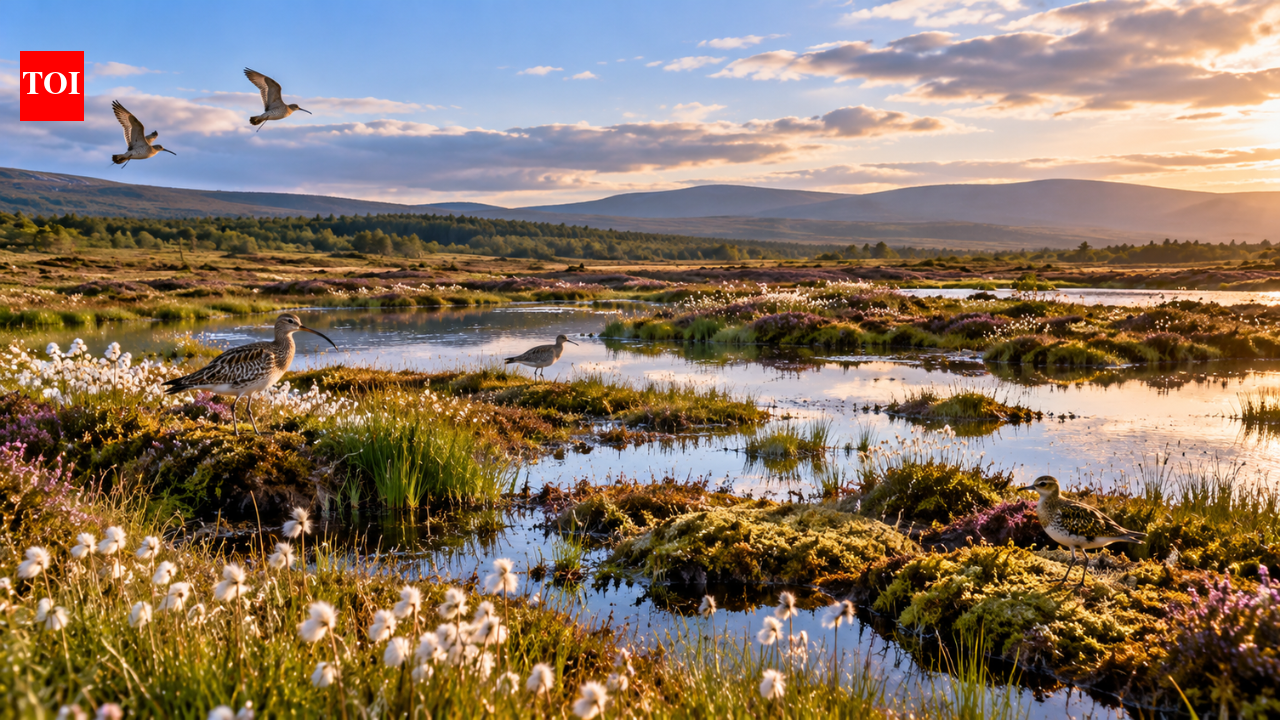
അയർലണ്ടിലെ 'ലിവിങ് ബോഗ്' പദ്ധതിയിലൂടെ 2,650 ഹെക്ടറിലധികം ചതുപ്പുനിലങ്ങൾ പുനഃസ്ഥാപിച്ചു. 182 കിലോമീറ്ററോളം നീളമുള്ള ഡ്രെയിനേജ് ചാനലുകൾ 15,000-ലധികം അണക്കെട്ടുകൾ ഉപയോഗിച്ച് അടച്ചാണ് ജലനിരപ്പ് ഉയർത്തിയത്. ഈ പ്രവർത്തനം ചതുപ്പുനിലങ്ങളിലെ സസ്യജാലങ്ങളെയും പക്ഷികളുടെ ആവാസവ്യവസ്ഥയെയും വീണ്ടെടുക്കാൻ സഹായിച്ചു. പരിസ്ഥിതി സംരക്ഷണത്തിലെ വലിയൊരു നാഴികക്കല്ലാണിത്.
Ireland's Living Bog project improved the condition of more than 2,650 hectares of raised bog habitat between 2016 and 2021, with bird surveys recording increasing numbers of birds returning soon after selected peatlands were rewetted. The initiative, funded through the EU LIFE Nature programme and Ireland's Department of Housing, Local Government and Heritage, worked across protected raised bog sites in seven counties. Restoration measures included blocking more than 182 kilometres of drainage channels with over 15,000 dams. The project also involved local communities and schools, while its findings highlighted changes in bird activity at sites in counties Offaly and Galway.
How did Ireland restore raised bogs by blocking drainage channels
A central part of the restoration programme involved blocking drainage channels to retain water within the peatlands. According to the Department of Housing, Local Government and Heritage, the project blocked more than 182 kilometres of drainage channels using over 15,000 dams, including peat dams, plastic dams and sluices. These measures formed part of the effort to improve the condition of raised bog habitats and support the development of their vegetation.
The project also investigated how previously cutover bogs could be restored. Cutover bog refers to land where peat has been removed, and the project developed enhanced restoration techniques, including bunding, for these areas. Ecologists involved in the initiative developed a new habitat classification system for cutover bog, which also contributed to research into the carbon balances of different habitat types. The department reported that active raised bog habitat could develop on cutover bog within a shorter timeframe than originally anticipated, although some specialist species were slower to colonise cutover areas than the higher parts of the bogs.
How did bird surveys show the impact of Ireland's raised bog restoration
Bird surveys carried out by BirdWatch Ireland recorded positive changes following restoration work at selected sites in counties Offaly and Galway. The Department of Housing, Local Government and Heritage reported that the restoration had an almost immediate impact on bird species, with increasing numbers returning not long after the bogs were rewetted. The finding linked the restoration work with changes in bird activity at the surveyed sites, although the announcement did not provide a list of the returning species or detailed numerical counts.The department's statement specifically noted: "Bird surveys undertaken by Birdwatch Ireland showed that restoration of certain bogs in Offaly and Galway had an almost immediate impact on bird species, with increasing numbers returning not long after bogs were re-wetted." The surveys formed part of the ecological findings associated with the project. The department also reported that positive ecological results had been published in scientific journals, while the project's habitat classification work supported a better understanding of the ecological characteristics of cutover bogs. The bird survey findings therefore provided one documented indication of changes observed following the restoration measures.
Ireland's raised bog restoration project engage local communities and schools
The Living Bog project also involved local communities, schools, landowners and other stakeholders in planning and delivering restoration activities. According to the department, more than 100 schools participated in its outreach programme, which encouraged children to learn about peatlands and the benefits of restoration. Community activities included walks, talks and nature camps, while volunteers helped with project events and restoration-related actions. The initiative also worked with communities to develop visitor facilities, including boardwalks, walking routes and recreational areas at selected sites.Examples included improvements to existing boardwalks and the development of new walking routes at Clara Bog in County Offaly, as well as additional facilities at Ferbane Bog and Kilteevan Bog. At Carrownagappul Bog in County Galway, the site was promoted as Galway's Living Bog, with local activities developed for school groups and tourists. The department also highlighted the project's contribution to two national funding schemes: the Protected Raised Bog Restoration Incentive Scheme and the Peatlands Community Engagement Scheme. As the project concluded in March 2022, the government outlined its intention to support further restoration across the protected raised bog network. The results reported by the initiative included improved habitat conditions across more than 2,650 hectares and the return of increasing numbers of birds at certain rewetted sites.