
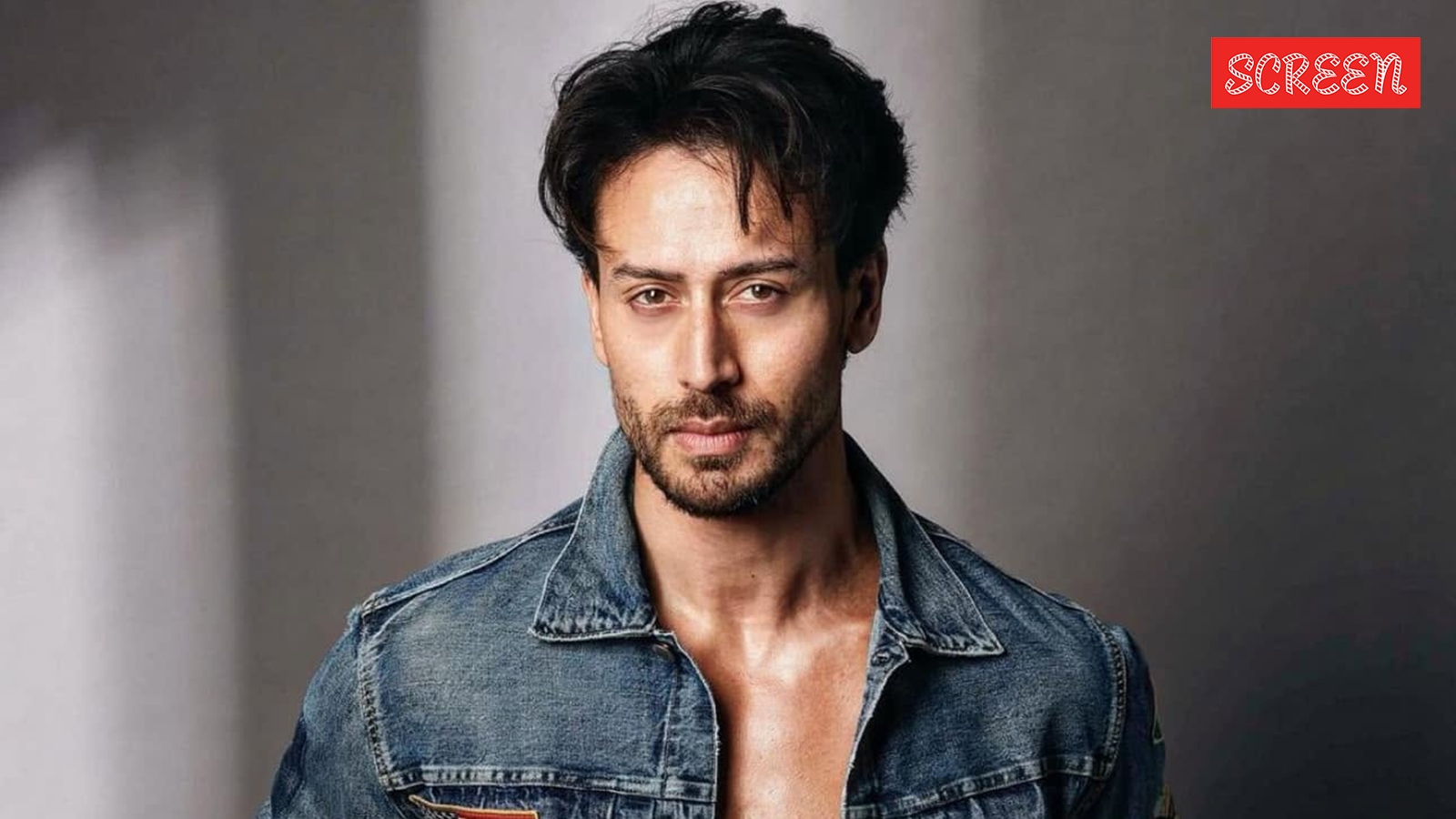
Actor Tiger Shroff was shot at in Mumbai's Juhu area on Sunday, October 18, but escaped unhurt. This incident brings back memories of a long history of gun attacks targeting Bollywood stars. Organised crime groups often used violence to influence film financing and casting decisions during the 1990s and 2000s.
From the underworld's early links with film financing in the 1960s to the shootings of Rajiv Rai and Rakesh Roshan and attacks on stars' residences, a history of gun violence, extortion and intimidation spanning three decades.
Actor Tiger Shroff was shot at in Mumbai's Juhu area on Sunday, October 18, but escaped unhurt the incident brings back memories of a history of gun attacks and threats targeting Bollywood personalities, particularly during the 1990s and early 2000s, when organised crime groups sought to influence film financing, casting decisions and distribution rights.
The relationship between Mumbai's underworld and the Hindi film industry dates back to the 1960s, when gangsters such as Haji Mastan were known to socialise with film personalities and act as alternative financiers. The relationship became more coercive by the late 1980s and 1990s, with criminal groups allegedly financing productions, demanding overseas rights and attempting to dictate casting decisions.
The attacks of the 1990s
One of the early cases was the killing of film producer Javed Riyaz Siddiqui in June 1994. A study on organised crime in Mumbai, drawing on Mumbai Police Crime Branch records, listed Siddiqui among film industry personalities targeted by criminal violence. The same list recorded an attack on a producer named Firoz Sarfraz Khan in July 1994.
On March 7, 1997, producer and director Mukesh Duggal was shot dead in his office in Andheri. Duggal had produced films including Fateh, Saathi and Platform, and directed Gopi Kishan. There were reports of his connections with members of rival criminal networks, and investigators suspected that his killing was linked to the conflict between associates of Chhota Rajan and Chhota Shakeel.
On July 31, 1997, filmmaker Rajiv Rai, director of Tridev and Gupt, was attacked outside his office in Tardeo. His bodyguard returned fire, and Rai escaped unhurt. The attackers were reported to belong to Abu Salem's gang, and Rai had reportedly received threats before the shooting.
Barely two weeks later, on August 12, 1997, music producer Gulshan Kumar, founder of T Series, was shot dead outside a temple in Andheri. His killing became one of the most prominent cases associated with the underworld's reach into the film and music industries.
Manmohan Shetty and Rakesh Roshan targeted
The violence continued into the late 1990s. Film producer and Adlabs founder Manmohan Shetty survived an attempt on his life in December 1999. India Today reported in 2003 that a hitman working for Abu Salem had tried to shoot him on December 27, 1999. Shetty subsequently travelled with an armed guard and monitored visitors through closed circuit cameras.
On January 21, 2000, actor, director and producer Rakesh Roshan was shot outside his office in Santacruz West, shortly after the success of Kaho Naa... Pyaar Hai, which launched his son Hrithik Roshan. One bullet struck his arm, while another grazed his chest. He survived after receiving treatment.
In later media interviews, Roshan said the underworld wanted Hrithik to act in a film financed by its associates. He said he had refused to rearrange his son's shooting dates to accommodate their demands. In April 2026, filmmaker Ram Gopal Varma offered a similar account, saying the shooting followed Roshan's refusal to comply with pressure from Chhota Shakeel's network.
An actor killed and a director warned
On February 14, 2001, actor and producer Dinesh Anand, known for supporting roles in Hindi films, was shot dead at National Park in Borivali. Anand had frequently appeared in films produced by the slain Mukesh Duggal.
In July 2002, filmmaker Lawrence D'Souza, director of Saajan, survived an attack outside his office in Oshiwara. Two gunmen opened fire but did not aim directly at him. One bullet was fired into the air, another struck the gate, and a third hit the wall of a nearby building. Police suspected the attack was intended to intimidate the film industry into paying extortion money to the Ezaj Lakdawala gang. D'Souza had reportedly received ransom demands over the telephone.
A different phase, but attacks continue
The pattern of violence changed over time, but shootings and threats returned to the headlines in recent years.
On April 14, 2024, two motorcycle borne assailants fired several rounds outside Salman Khan's residence in Bandra. The actor was not injured. Mumbai Police alleged that the attack was carried out at the behest of jailed gangster Lawrence Bishnoi and filed a chargesheet against six accused under the Maharashtra Control of Organised Crime Act.
In September 2025, gunmen opened fire outside the family home of actor Disha Patani in Bareilly, Uttar Pradesh.
On February 1, 2026, gunmen fired at filmmaker Rohit Shetty's residence in Juhu. In April, Mumbai Police filed a chargesheet against 17 accused, alleging that the attack was carried out by a group linked to the Lawrence Bishnoi gang to establish its supremacy. The precise motive for targeting Shetty remained unclear.
The reported firing involving Tiger Shroff on Sunday is the latest incident in this history.