
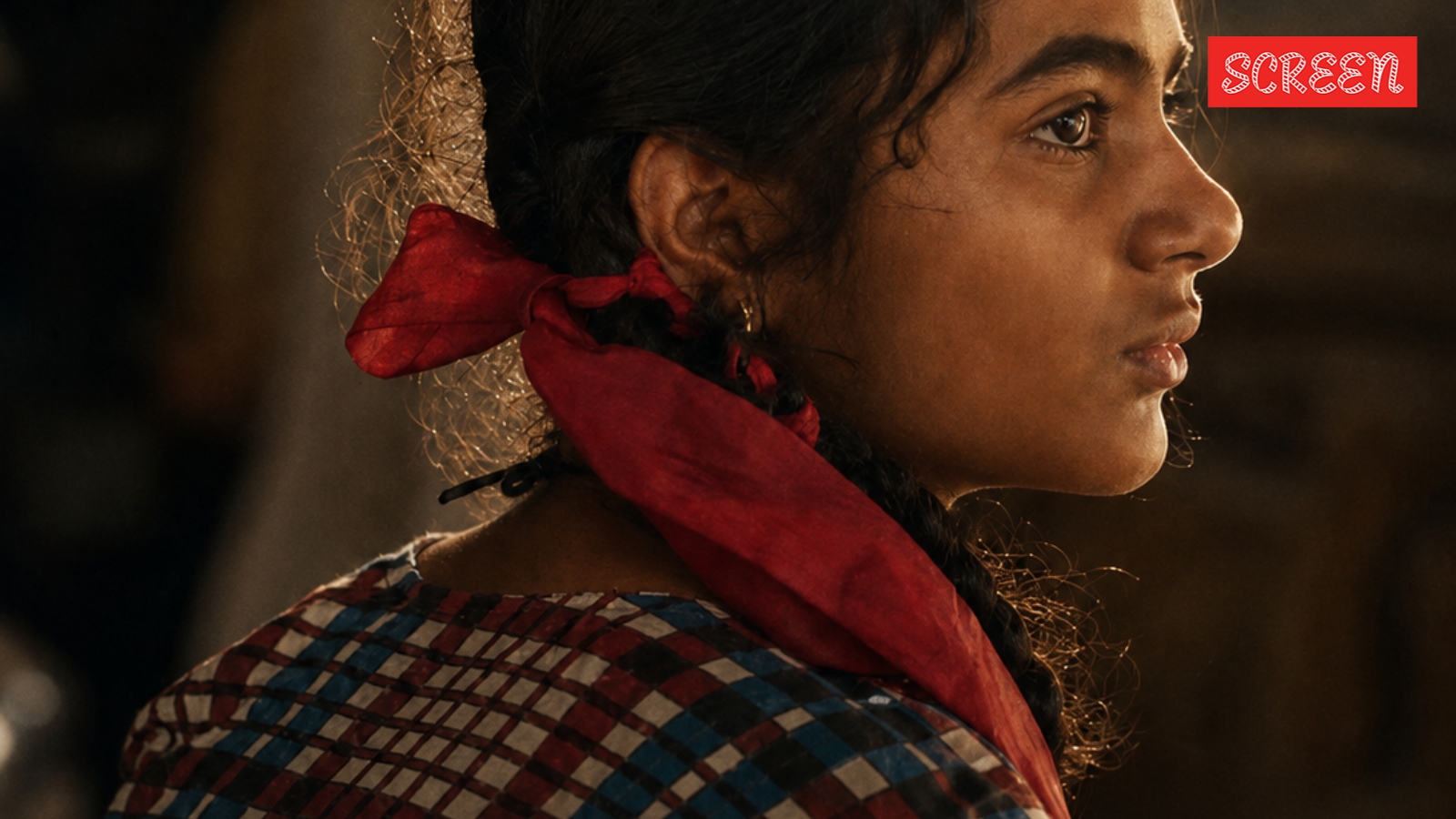
FTII graduate Shobhita Thakur tells the story of Sapna, an 11-year-old girl trapped in generational exploitation, in her film Khilwadi. Thakur said, "I have always believed that cinema is a kind of social responsibility." The movie explores how caste traditions deny girls education, aiming to portray their suffering with dignity.
Shobhita Thakur's Khilwadi revolves around Sapna, an 11-year-old girl whose dreams of education collide with caste-bound exploitation.
In Khilwadi -- a movie about Sapna, an 11-year-old girl whose dreams of education collide with caste-bound exploitation -- debut filmmaker Shobhita Thakur explores a painful reality with restraint, empathy and a commitment to responsible storytelling.
For an 11-year-old girl, childhood should be filled with the promise of education, freedom and the possibility of choosing her own future. But for Sapna, the protagonist of an independent fictional film set in Madhya Pradesh's district, even these ordinary aspirations come at a cost.
Bright and eager to learn, Sapna belongs to the Banchhada community, where girls have been subjected to generational sexual exploitation rooted in caste and social traditions. Her story is not simply about a childhood interrupted, but about a system that denies girls the right to imagine a life beyond the circumstances of their birth.
For Shobhita Thakur, a graduate of the Film and Television Institute of India (FTII) who previously worked with Netflix as a creative professional, the subject emerged from years of reflection. Growing up in Bhopal, she often encountered accounts of girls whose lives were determined by the communities into which they were born.
"I have always believed that cinema is a kind of social responsibility," she said, explaining why she chose the subject for her fiction film who's characters are inspired from reality that exists around her.
During her research, she met around 10 to 15 girls, listening to their experiences and aspirations. Sapna's character draws from several of their lives, combining the experiences of girls who pursued education against the odds and those who were denied the opportunity altogether.
The most significant challenge, however, was deciding how to portray their suffering without exploiting it for dramatic effect.
"I did not want to be exploitative about it. When the person who has suffered watches it, they should feel that it is about them, but represented in the most sensitive manner," Thakur said.
This principle shaped the film's visual language, with the director carefully reconsidering close-ups and scenes involving potential violence. Rather than relying on graphic imagery, she sought to communicate the threat surrounding Sapna while preserving the dignity of the child at its centre.
The film has done the rounds in festivals in India and abroad, including the Cambridge Festival, encouraging conversations about exploitation, gender and social responsibility.
Yet, the filmmaker believes that awareness must lead to action. She hopes to screen the film in the very region where its story originates, bringing the conversation closer to the communities most affected.
"I am a radical optimist," she said. "If you pick up a topic and put it out there, people will come forward and talk about it."
The writer is an intern.