
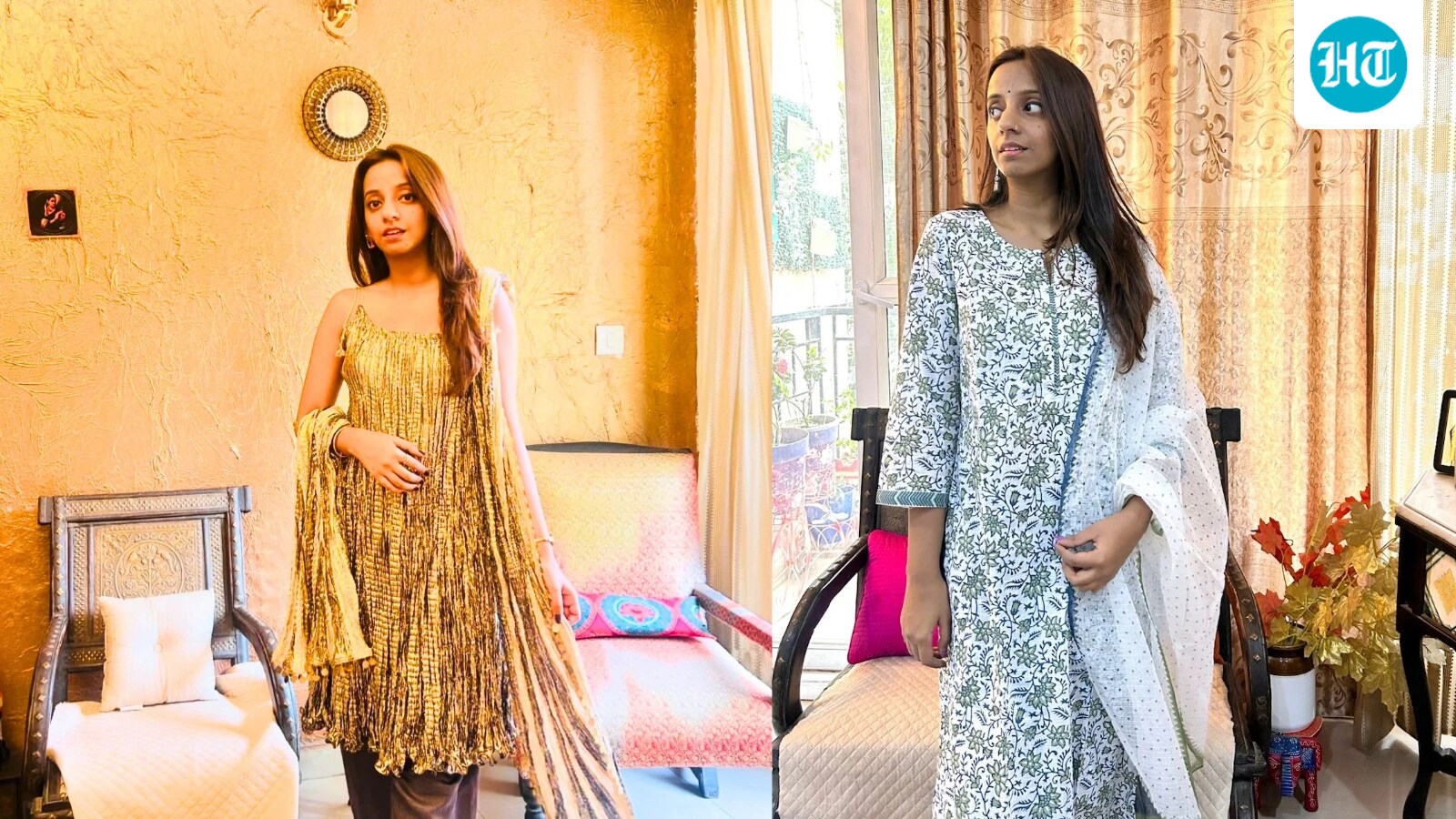
Traditional Indian wear is no longer just for festivals or weddings. At 28, I found that experimenting with pieces like sarees and kurtas makes them feel personal and relevant. Pairing a saree with a corset blouse or trying pant sarees adds a modern edge to your everyday traditional wardrobe style.
Traditional Indian wear doesn't have to be reserved for weddings, festivals or family celebrations. At 28, I've realised that some of the most interesting outfits come from experimenting with pieces we already know and love. A saree can look completely different with a corset blouse, a kurta set can feel modern in an anti-fit silhouette, and a simple change in draping can transform an entire look.
For me, contemporary Indian dressing isn't about following every trend that appears on social media. It's about finding ways to make traditional clothes feel personal, wearable and relevant to my lifestyle. I enjoy exploring different silhouettes, necklines, drapes and styling combinations instead of repeating the same formula every time I wear Indian clothes.
Here's how I'm approaching traditional Indian wear differently and how you can experiment with your own wardrobe, too.
1. Pairing sarees with corset blouses
One of my favourite ways to give a saree a contemporary update is to pair it with a corset blouse. While a traditional fitted blouse will always have its place, a corset-inspired silhouette adds structure and a fashion-forward edge to the drape.
I particularly like this combination because it creates a contrast between the fluidity of a saree and the defined shape of the blouse. Depending on the fabric, colour and embellishments, the outfit can feel appropriate for a cocktail event, a festive gathering or an evening celebration.
The trick is to let the blouse and saree complement each other. With an ornate saree, I would keep the blouse relatively simple. With a solid-coloured or understated saree, a more detailed corset blouse can become the focal point. Minimal jewellery and a sleek hairstyle can bring the look together without making it feel overdone.
2. Experimenting with pant sarees and unconventional drapes
Sometimes, the easiest way to refresh traditional Indian wear is to change how you wear it. I'm interested in drapes that move away from the conventional silhouette, including pant sarees that combine the elegance of a saree with the practicality of trousers.
A pant saree aka dhoti-style saree can be a good option for someone who loves the aesthetic of a saree but wants a more contemporary outfit. It offers a different silhouette and can feel particularly suited to fashion events, parties and occasions where you want to experiment with your look.
You can explore pre-draped styles or recreate the effect with a saree and well-fitted trousers, depending on the fabric and the draping technique. A structured blouse, a belt or statement earrings can add to the contemporary feel.
I like the idea of treating the drape as part of the styling rather than assuming there is only one correct way to wear a saree. The same garment can feel traditional one day and distinctly modern the next.
3. Choosing boat-neck blouses for a polished look
A blouse doesn't have to be heavily embellished or dramatically cut to change the way a saree looks. Boat-neck blouses are a good example of how a relatively simple design detail can make an outfit feel different.
I like this neckline for its clean, elegant finish. It works particularly well when you want the saree to remain the centre of attention while the blouse adds a subtle contemporary touch. Depending on the fabric and fit, it can complement everything from lightweight daytime sarees to more elaborate festive drapes.
For styling, I would pair a boat-neck blouse with a neatly draped saree and choose jewellery according to the occasion. A pair of statement earrings can work beautifully when you want to skip a necklace, while a sleek bun or low ponytail can highlight the neckline.
It's also a reminder that modernising Indian wear doesn't always require dramatic experimentation. Sometimes, a small change in cut or proportion is enough.
4. Embracing anti-fit kurta sets
When it comes to kurta sets, I'm drawn to anti-fit silhouettes that feel relaxed rather than closely tailored. They offer a different approach to Indian dressing, especially if you're used to wearing fitted kurtas with conventional bottoms.
Anti-fit kurta sets can feel effortless without looking underdressed. Their appeal lies in the balance between comfort and design, whether that comes from a loose kurta, wide-leg trousers, an interesting hemline or an unconventional cut.
I would style a relaxed kurta set with minimal jewellery and comfortable footwear for a daytime outing. For a more dressed-up occasion, statement earrings, a structured bag or embellished juttis can elevate the look without taking away from the silhouette.
Proportion is worth considering here. If the kurta is particularly voluminous, the choice of trousers and footwear can help create a balanced outfit. The aim isn't necessarily to make everything fitted, but to ensure the overall look feels intentional.
5. Styling traditional jewellery with contemporary outfits
Indian jewellery doesn't have to be paired exclusively with Indian clothes. One of the easiest ways to experiment with personal style is to wear traditional accessories with more contemporary pieces.
Jhumkas can add character to a simple shirt, oxidised silver jewellery can work with denim, and a traditional necklace can become an unexpected accent against a clean, modern outfit. The contrast is often what makes the combination interesting.
I would start with one statement accessory rather than trying to combine too many competing elements. For instance, bold earrings with a simple top can be enough to change the mood of an outfit. Equally, a stack of bangles can add an Indian touch to a relatively understated look.
This approach also makes traditional jewellery more versatile. Instead of saving pieces for weddings and festivals, you can find ways to incorporate them into your everyday wardrobe.
6. Rewearing Indian outfits by changing the styling
I don't believe every new occasion calls for a new outfit. Often, a familiar piece can look completely different when you change the elements around it.
With a saree, that could mean switching from a traditional blouse to a corset blouse, trying a different drape or changing the jewellery and footwear. With a kurta set, you could experiment with a different dupatta, add a belt or choose accessories that change the overall mood.
For a daytime event, I might prefer lighter accessories and a simpler finish. For an evening occasion, statement jewellery, a more dramatic blouse or a different drape could make the same garment feel more dressed up.
The important thing is to look at each outfit as a combination of individual elements rather than a fixed set of pieces. This approach gives you more room to experiment with what you already own and helps you develop a style that feels recognisably yours.
7. Making traditional Indian wear feel like me
At 28, I'm enjoying the process of figuring out how I want to wear Indian clothes rather than sticking to one predictable formula. I love the versatility of a saree, but I also want to explore what happens when I pair it with a corset blouse or try a pant drape. I appreciate the familiarity of a kurta set, but an anti-fit silhouette can make it feel fresh again.
For me, the appeal of contemporary Indian wear lies in this freedom to experiment. It doesn't mean abandoning traditional craftsmanship, fabrics or design. It means finding new ways to incorporate them into the way we dress today.
You don't need an entirely new wardrobe to start. Try a different blouse with a saree, style your favourite earrings with a Western outfit or rethink the proportions of a kurta set. Small changes can make familiar clothes feel new again.
Ultimately, personal style is not about wearing Indian clothes in one prescribed way. It's about finding combinations that make you feel comfortable, confident and excited to get dressed.
Similar stories for you:
5 Jeans styles to know this season and the wardrobe problems each one solves
Tried and Tested: The only 3 handbags you'll ever need for office Commutes and casual outings