
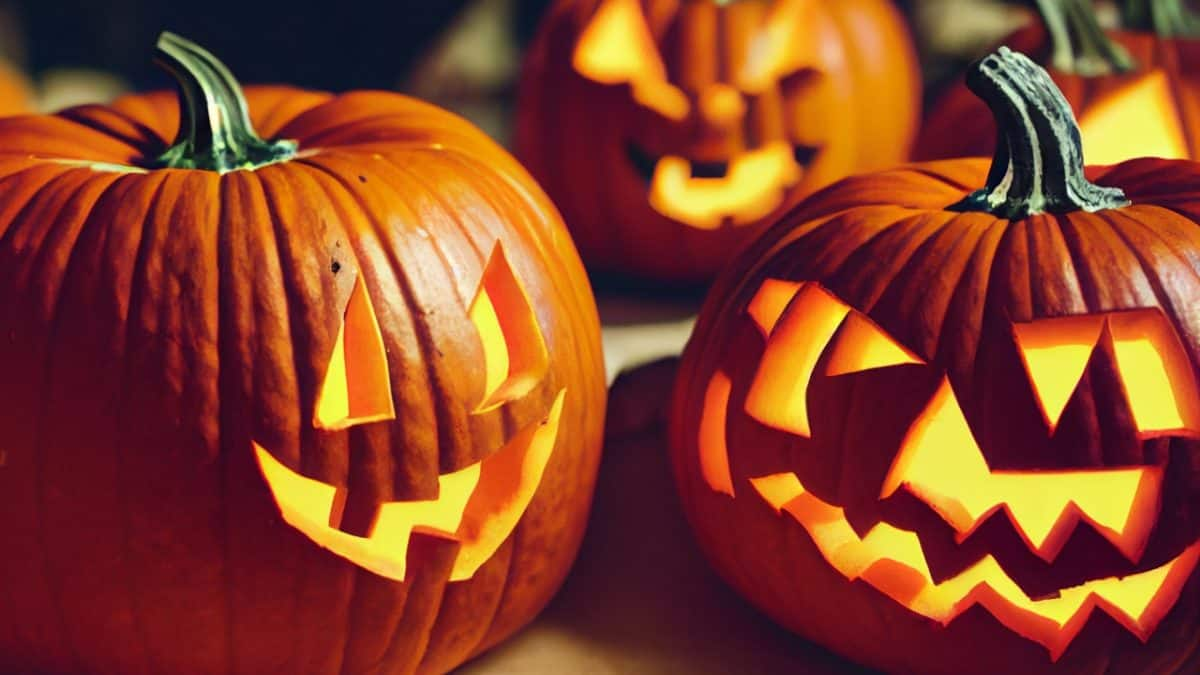
Pumpkin carving for Halloween 2026 traces back to an Irish folktale about Stingy Jack. People once carved turnips to light the way for wandering spirits. When immigrants reached North America in the 19th century, they used pumpkins because they were larger and easier to carve into those famous spooky faces.
From an Irish folktale about a wandering soul to glowing jack-o'-lanterns on doorsteps, pumpkin carving has a history that stretches back centuries
Every October, pumpkins with crooked smiles, triangular eyes and flickering lights appear on doorsteps, windowsills and front porches. These carved decorations, known as jack-o'-lanterns, have become one of the most recognisable symbols of Halloween. The tradition, however, did not begin with pumpkins, and its origins go back much further than the modern celebration.
The practice is linked to Irish folklore, where carved vegetables were associated with stories of wandering spirits. Over time, the custom travelled across the Atlantic and evolved into the pumpkin-carving tradition familiar today.
The Irish legend behind the jack-o'-lantern
One popular explanation for the jack-o'-lantern comes from an Irish folktale about a man known as Stingy Jack. In the story, Jack tricks the Devil on several occasions and eventually finds himself unable to enter either heaven or hell after his death. Condemned to wander, he carries a glowing ember inside a hollowed-out turnip to light his way.
The tale is associated with the name Jack of the Lantern, which eventually became jack-o'-lantern. Versions of the story differ, and the legend is folklore rather than a documented historical account.
The custom of carving vegetables also has roots in older Irish and Scottish Halloween traditions. People hollowed out turnips and other root vegetables, carved faces into them and sometimes placed lights inside. These decorations were associated with folk beliefs about spirits and were used to mark the season around Halloween.
Why are pumpkins used instead of turnips?
Pumpkins became the preferred choice when Irish and Scottish immigrants carried their Halloween customs to North America during the 19th century. Pumpkins were widely available in the region and were larger and easier to hollow out than the turnips traditionally used in parts of Europe.
Their size also made them suitable for elaborate designs, from simple grins to elaborate expressions. A candle or other light placed inside created the familiar glowing effect after dark.
Over time, pumpkin carving became closely associated with Halloween celebrations in the United States. The practice spread through popular culture, community events and seasonal decorations, helping establish the jack-o'-lantern as a defining image of the holiday.
What do the spooky faces symbolise?
Carved faces are often understood as part of Halloween's association with the supernatural, fear and the boundary between the living and the dead. In traditional folk customs, frightening faces and lights were connected with beliefs about spirits, although the exact meanings varied between communities.
Today, pumpkin carving is largely a festive activity. Families, children and Halloween enthusiasts carve everything from classic triangular-eyed faces to elaborate patterns inspired by films, popular characters and horror stories.
Halloween is observed on October 31 each year. In 2026, the celebration falls on a Saturday, giving people an opportunity to take part in costume parties, trick-or-treating and pumpkin-carving activities over the weekend.
What began as a tradition involving carved root vegetables has become a global Halloween symbol, blending folklore with a modern celebration of creativity, costumes and all things spooky.