
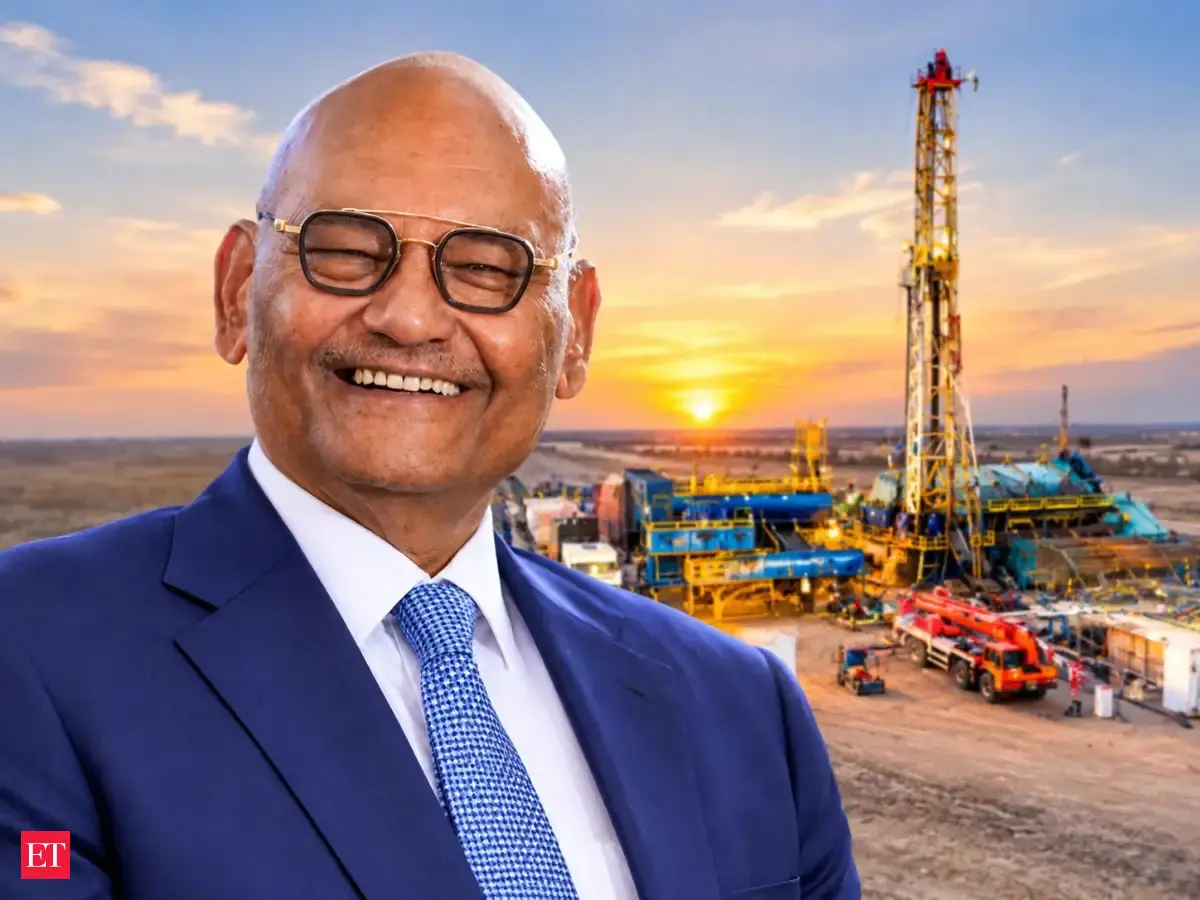
Vedanta chief Anil Agarwal proposed three reforms to boost India’s economy after Prime Minister Narendra Modi’s address at the FICCI centenary celebrations. He suggested privatising public firms to increase jobs threefold, replacing long regulatory approvals with self-certification, and opening mineral exploration to startups to help attract more investment and growth.
Vedanta's Anil Agarwal has proposed three significant reforms to encourage private participation in India's economy. He suggests that privatisation of public sector companies should occur with commitments to job retention and growth. Additionally, regulatory processes should be streamlined to allow for self-certification, which would expedite business operations. Furthermore, opening the exploration sector to startups can enhance entrepreneurial opportunities in minerals and hydrocarbons.
Vedanta Group chairman Anil Agarwal pitched a fresh push for privatisation of government-owned companies, proposing that private management be allowed to run public sector enterprises with a commitment to avoid retrenchments and increase employment threefold.
He also called for replacing lengthy regulatory approvals with self-certification and opening up mineral and hydrocarbon exploration to startups as part of a broader reform agenda to accelerate India's economic growth.
In a post on X following Prime Minister Narendra Modi's address to industry at the FICCI centenary celebrations, the mining giant outlined three proposals that he said could help create jobs, attract investment and strengthen the rupee. His suggestions came against the backdrop of the PM Modi's call for Indian industry to step up investments in domestic manufacturing, reduce import dependence and align long-term business decisions with the country's ambition of becoming a developed economy.
Modi, in his address, urged industry to identify areas where India remains dependent on imports, including pharmaceutical ingredients, specialised steel and aluminium products, and machinery. He also called on businesses to invest in new capabilities and take advantage of opportunities emerging from India's expanding trade partnerships.
A fresh push for privatisationAgarwal called on the government to consider transferring the management of its companies and assets across sectors, including natural resources, energy, light manufacturing and heavy industry, to private operators.
He argued that private management could significantly improve productivity and production, potentially increasing output manifold and, in some cases, up to 10 times. Such a transition, he said, could also support the development of ancillary industries, particularly micro, small and medium enterprises (MSMEs), and generate employment on a large scale.
However, Agarwal proposed two conditions for any privatisation exercise: there should be no retrenchment of existing employees, and employment in the companies should increase threefold.
Agarwal said the private sector had demonstrated its ability to improve performance and expand employment in sectors such as airports, ports, airlines, telecommunications, metals and hotels, arguing that similar opportunities existed in gold, copper, power, defence, engineering equipment and shipping.
He also suggested that proceeds from the sale of government assets could be deployed to reduce public debt and fund infrastructure development, arguing that governments in democratic economies should focus on governance rather than running businesses.
Self-certification to speed up industrial expansionAgarwal's second proposal centred on simplifying regulatory processes to accelerate the setting up of new businesses and industries.
Referring to PM Modi's emphasis on trust in his FICCI address, the Vedanta chairman said lengthy approval processes should be replaced with self-certification, allowing businesses to begin operations more quickly.
Under the proposed approach, the government would establish clear and simple rules, while ensuring compliance through audits rather than requiring multiple approvals before businesses can commence operations.
The proposal comes as the government continues to focus on improving the ease of doing business and reducing regulatory hurdles. The prime minister, in his speech, said the government was willing to consider suggestions from industry on further reforms and urged businesses to communicate the changes they wanted.
Open up exploration to startupsThe third proposal laid out by the Vedanta chairman focused on opening up India's exploration sector to entrepreneurs and startups, particularly in minerals, metals and hydrocarbons.
He argued that exploration, unlike mining and processing, does not necessarily require large capital investments and could support the emergence of hundreds or even thousands of startups. According to him, an initial investment of around Rs 5 crore could be sufficient to enter the exploration business.
The key reform, he said, would be to allow private explorers to sell their discoveries to larger companies with the financial and operational capacity to undertake mining and processing.
For instance, a startup discovering oil should be allowed to sell its findings to ONGC, while a company identifying mineral deposits should be able to sell them to Hindustan Zinc, Agarwal suggested.
He said the existing framework, under which discoveries become the property of the government, needed to be modified to encourage private participation and entrepreneurship in exploration.
Agarwal argued that enabling smaller companies to undertake exploration, while larger players handle capital-intensive extraction and processing, could create an ecosystem of specialised businesses and expand India's resource base.
He called for the three proposals -- privatisation, self-certification and exploration -- to become a broader national movement, drawing a parallel with the 'Jai Jawan, Jai Kisan' slogan that supported India's push towards food self-sufficiency.
Concluding his post, Agarwal said greater private sector participation, simpler regulations and opportunities for young entrepreneurs could help create jobs, raise incomes and strengthen the Indian economy.