
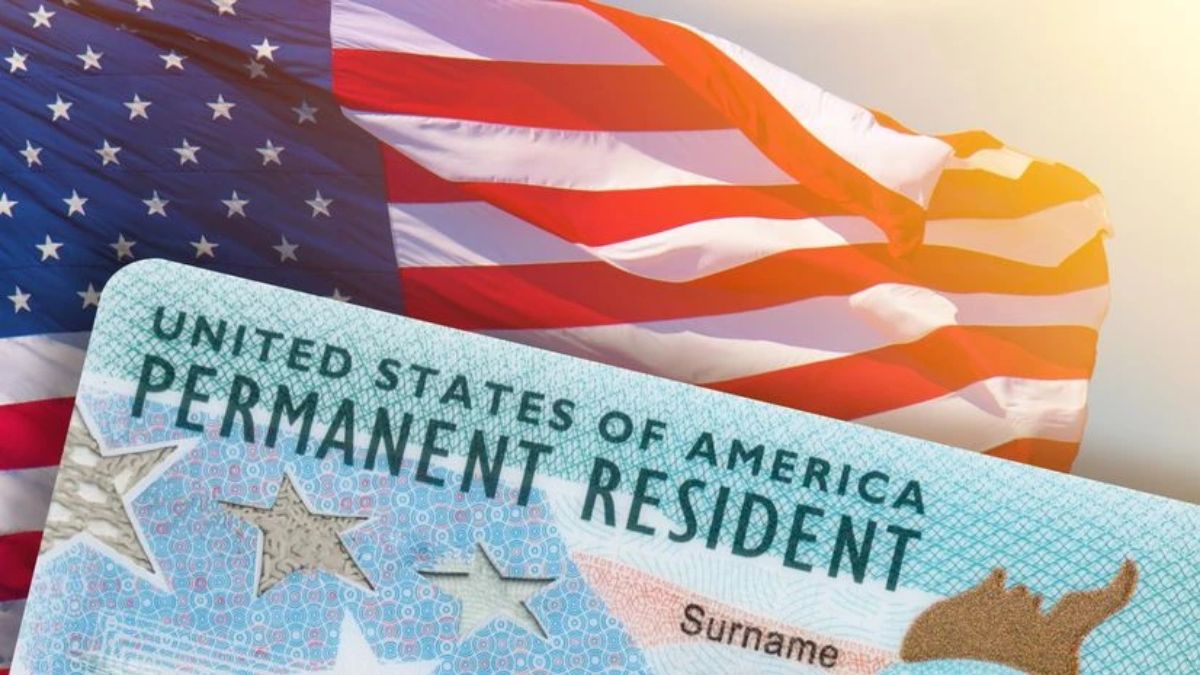
The US government proposed major changes to the PERM programme on November 17 to tighten green card sponsorship rules. Companies must now advertise jobs for 90 days and consider American workers first. These updates also remove fast-track routes for nurses. Existing rules still apply while the department reviews public comments.
The proposal, issued on November 17, 2026, is the first major rewrite of the Permanent Labour Certification (PERM) programme in nearly 20 years. PERM is the first mandatory step for most employment-based green card applications. Indian professionals make up one of the largest groups relying on this route.
The proposed changes include a two-year restriction on companies that have laid off American workers, an end to the fast-track labour certification route for nurses and physical therapists, and a requirement for employers to advertise jobs for at least 90 days before sponsoring a foreign worker.
The proposal was issued under Department of Labor (DOL) Docket No. ETA-2026-0133. However, none of these changes has come into force yet. The existing PERM rules will continue to apply while the department reviews public comments and works towards a final rule.
What changes has the US proposed for green card sponsorship?
The Department of Labor wants employers to follow stricter rules before sponsoring foreign workers for permanent residency. The proposed changes would affect how companies advertise jobs, consider American applicants and report their recruitment efforts.
Here are the major changes proposed by the department.
1. Nurses and physical therapists could lose their fast-track route
One of the biggest changes is the proposed removal of Schedule A, a category that allows certain occupations to skip the usual labour market test.
At present, employers sponsoring nurses, physical therapists and people with exceptional ability in the sciences or arts can use this route. They do not have to go through the same recruitment process required under the regular PERM programme to show that no qualified American worker is available for the job.
Under the proposed rules, these employers would also have to first consider American workers before sponsoring foreign employees.
This could particularly affect hospitals and healthcare employers that hire foreign nurses without carrying out the usual recruitment process.
2. Newspaper advertisements could be replaced by online job postings
The Labor Department also wants to change how employers advertise jobs before sponsoring foreign workers.
Under the proposal, newspaper advertisements would be replaced by online recruitment methods. These could include company websites, job portals, social media platforms, job fairs and campus recruitment drives.
Employers would also have to advertise a job for at least 90 calendar days before moving ahead with the PERM application.
Another important condition is that companies would not be allowed to design or change job requirements specifically to favour the foreign worker they want to sponsor.
Reddy Neumann Brown has pointed out that the 90-day requirement could be longer for employers that usually advertise jobs for more time. For example, if a company normally keeps a job posting open for 180 days, it would have to follow the same period for its PERM recruitment.
3. Companies could face a two-year ban after laying off US workers
The proposed two-year layoff restriction could be one of the most difficult changes for employers.
Under the plan, a company that has laid off American workers during the previous two years would not be allowed to seek labour certification for the same or similar positions.
This means a company that has recently reduced its American workforce could face restrictions when trying to sponsor a foreign employee for a similar role.
Reddy Neumann Brown says this is a direct restriction on filing PERM applications and goes beyond the existing requirement to notify certain laid-off workers about job opportunities.
The law firm has also pointed out that the proposal does not appear to provide an exception for employers that have already considered the laid-off American workers for the positions.
4. IT staffing firms could be affected by their clients’ layoffs
The proposed rules could create additional problems for IT consulting, outsourcing and staffing companies that place foreign workers at client locations.
Under the proposal, a staffing company could be prevented from placing a foreign worker at a client’s worksite if the client has laid off American workers in a similar position during the previous two years.
This restriction could apply when there are signs of an employment relationship between the staffing company and its client.
Importantly, the staffing company could face the restriction even if it was not responsible for the layoffs.
This could make it harder for Indian IT services companies that depend on client-site placements to continue sponsoring foreign workers under the PERM programme.
5. Employers would have to maintain more records and submit additional paperwork
The proposal also seeks to increase the paperwork employers must complete during the PERM process.
Under the new requirements, companies would have to display the Notice of Filing in at least two locations. The notice would also have to remain posted until the employee’s I-140 petition is approved.
Another major change concerns the recruitment report. At present, employers generally prepare and keep this report for possible audits. Under the proposal, they would have to submit it along with the PERM application itself.
This would give the Labor Department access to more information about an employer’s recruitment efforts at the time of filing.
Why does the Trump administration want to change PERM rules?
The Labor Department says the existing system does not do enough to ensure that American workers are considered before companies hire foreign employees.
US Labor Secretary Keith Sonderling said the proposed changes would make employers properly consider American applicants before sponsoring foreign workers.
He said the overhaul would help ensure that Americans receive the “first and best job opportunities”.
The department’s proposal is aimed at making employers show that they have genuinely tried to find qualified American workers before moving ahead with green card sponsorship.
What immigration lawyers are saying about the proposed changes
Immigration lawyers believe the proposal could affect almost every stage of the PERM process, from job advertisements to the final filing.
Krystal Alanis, partner and managing attorney of the PERM department at Reddy Neumann Brown, said the changes would create a “more comprehensive and ongoing employer obligation” to show that American workers were given a genuine opportunity to apply for jobs.
She also warned that IT consulting, outsourcing and staffing companies could face “significant implications” under the proposed rules.
According to Alanis, layoffs at a client’s company could prevent a staffing firm from placing a sponsored foreign worker at that worksite.
She advised staffing companies to work more closely with their clients when it comes to workforce reductions and decisions about employee work locations.
Alanis also described the proposed two-year restriction following layoffs as “a significant planning consideration” for companies that are reducing their workforce while continuing to sponsor foreign employees for green cards.
She said employers would also need closer coordination between their human resources, talent acquisition and immigration legal teams.
She said employers would also need closer coordination between their human resources, talent acquisition and immigration legal teams.
The aim would be to ensure that recruitment for PERM applications follows the same process as the company’s regular hiring practices.
What do the proposed PERM changes mean for Indian professionals?
Indian nationals account for a large share of the employment-based green card backlog. At the same time, Indian IT services companies have long relied on staffing arrangements in which employees work at client locations.
This makes the proposed restriction on placements linked to client layoffs particularly important for Indian workers and the companies sponsoring them.
For example, an Indian IT professional sponsored for a green card by a staffing or consulting company could face complications if the US client where they are placed has recently laid off American employees in a similar role.
The proposed changes could also affect healthcare employers that hire Indian nurses, as they may no longer be able to use the Schedule A route to skip the regular labour market test.
However, employers and foreign workers do not need to change their current PERM applications yet. The proposal is still under review, and the existing rules will remain in place until a final rule is published and takes effect.