
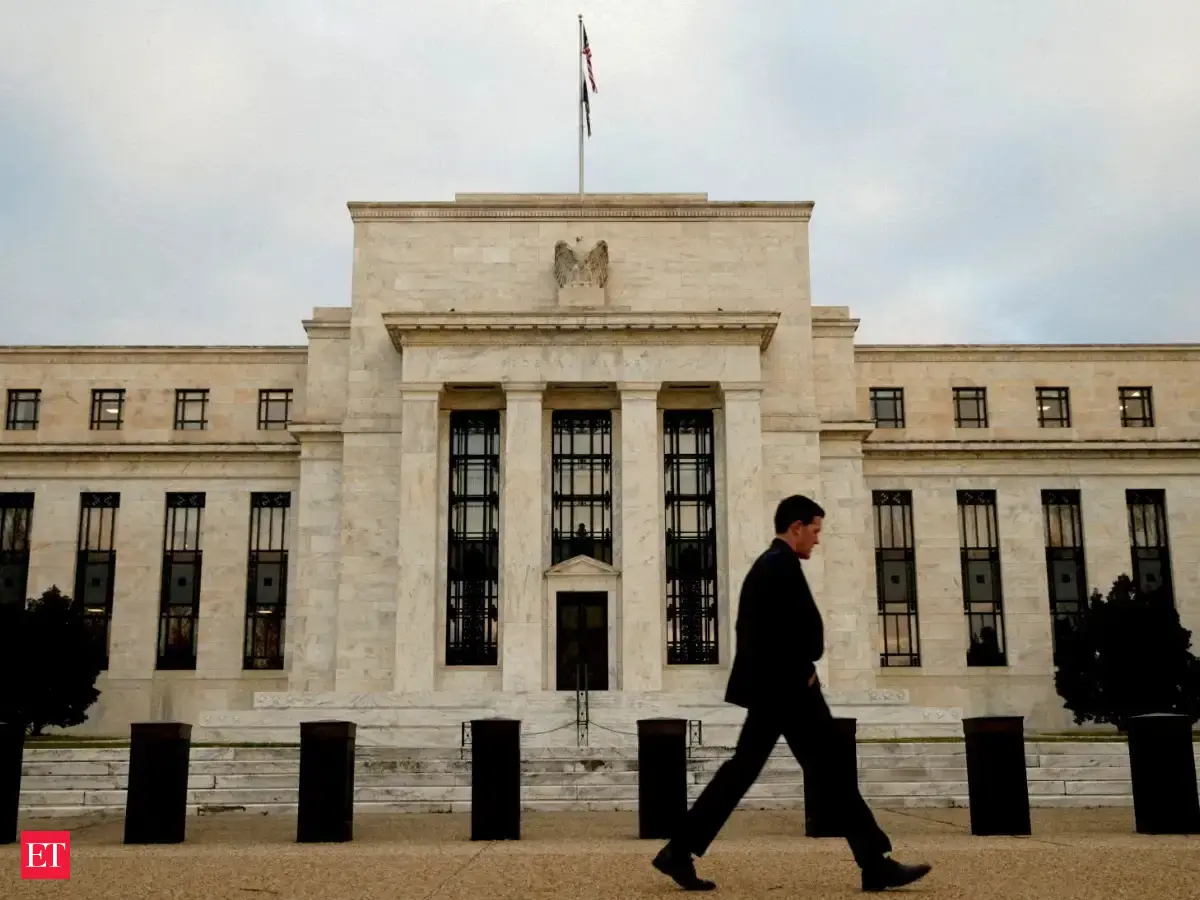
Federal Reserve officials said they might need to raise interest rates further as inflation refuses to retreat. Minutes from the October 27-28 meeting showed many policymakers believe additional hikes could be necessary. A couple of officials suggested a half-percentage-point increase if incoming data shows prices rising faster than expected.
Synopsis
Federal Reserve officials expressed concerns about rising inflation in their October meeting while keeping interest rates steady. Many policymakers believe additional rate hikes could be necessary if inflation persists and data remains unfavorable. A couple of officials suggested the need for a half-percentage-point increase in future meetings. There is an ongoing debate regarding the pace and extent of rate adjustments as inflation shows no signs of easing.
Washington: Federal Reserve officials saw a growing risk last month that they might need to intensify their efforts to control inflation, even as they agreed to keep interest rates steady for the moment, the minutes of their October 27-28 meeting showed on Wednesday.
"Almost all" policymakers agreed that further rate hikes would be needed if the economy evolved as they expected, the minutes said, while a few said inflation could prove more persistent and require "a shift to a more restrictive policy stance" than currently expected.
"A couple" of them went further and argued that the Fed might have to resort to a half-percentage-point increase "if incoming inflation data were unfavorable," a benchmark met in recent releases that showed prices rising faster than anticipated.
Among those who supported keeping the policy rate steady in the 3.75%-4.00% range in October, "a few ... indicated that they viewed the decision as a close call," and joined a larger group in urging that the Fed be clear that "the decision to maintain the target range did not reflect a weakening" of the commitment to hit the US central bank's 2% inflation target.
At the end of the two-day session, only Fed Governor Lisa Cook and Cleveland Fed President Beth Hammack dissented in favor of lifting the policy rate by a quarter of a percentage point.
Live Events
But the debate highlighted a growing sense at the Fed that inflation will not ease enough on its own for the target to be reached quickly enough. Among those supporting a rate-hike pause, the hope is that coming information will make clearer whether inflation can fall without tighter policy.
Prices have been increasing at more than a 3% annual rate, and there has been little improvement in recent months.
Last month's meeting also set the stage for a potentially intense debate at the December 8-9 session over the need for a larger rate hike, or at least tougher language about the extent and pace of rate hikes to come, an argument laid out by Fed Governor Christopher Waller in comments to CNBC on Wednesday.
The Trump administration has argued that elevated inflation is just temporary and the Fed should ignore it.
Inflation has been stronger than expected since the Fed's last meeting, and investors anticipate that the central bank will deliver a quarter-percentage-point rate increase at its meeting next month.
The October meeting also saw the beginnings of a more detailed discussion about the impact of artificial intelligence, including discussion of the risks of over-investment in the technology as well as the possible benefits it could bring in the form of rising productivity.