
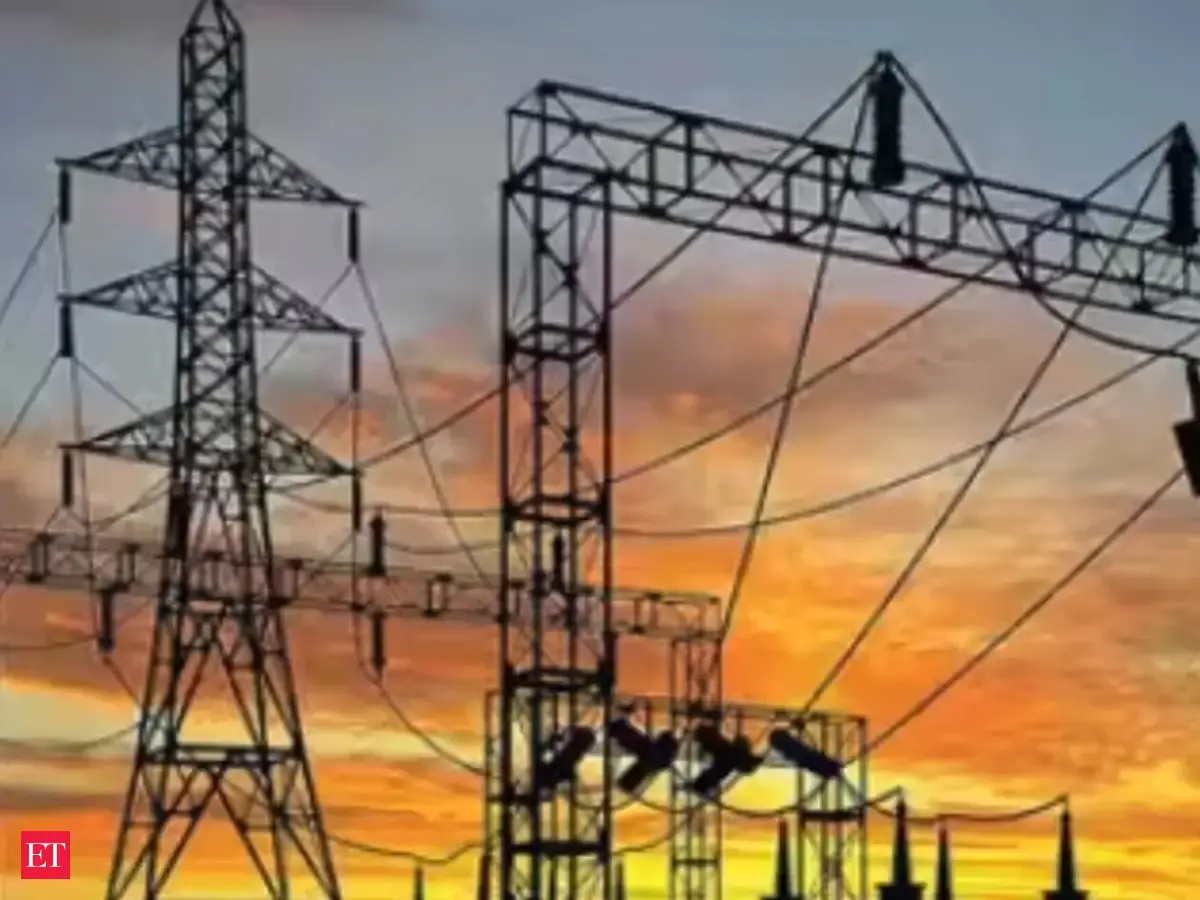
Tata Power announced a ₹15,000 crore Mumbai Grid Upgradation and Expansion Plan on Wednesday to meet rising AI power needs. The company plans to upgrade its 110 kV and 220 kV networks while building new stations. This project aims to support the growing energy requirements of data centres across Mumbai.
Tata Power is implementing its ₹15,000 crore plan expand its transmission network in Mumbai and is intended to support the increasing energy requirements of hyperscalers and data centres. The company plans to enhance its existing 110 kV and 220 kV networks while developing new receiving stations. The company also aims to expand its green energy projects as well as its overall infrastructure capacity.
Power generator Tata Power, a subsidiary of Tata Group, announced on Wednesday its ₹15,000 crore Mumbai Grid Upgradation and Expansion Plan to expand its transmission network in the Mumbai Metropolitan Region (MMR) to meet the rising power requirements of hyperscalers and next-generation data centres in the city.
According to the company, the expansion would enhance its transmission infrastructure by upgrading its 110 kV and 220 kV network. It is also developing new receiving stations and advancing a 400 kV transmission ring network in an effort to create a resilient and future ready network.
The expansion comes amid India's growing artificial intelligence (AI) and data centre ecosystem.
The company's release said the Ministry of Power, citing CEA estimates, projected that AI-led data centres could add approximately 26.3 gigawatt (GW) of electricity demand by FY 2031-32, with the IEA attributing data centre and electricity demand to India's growing role in the sector.
The firm said that it is driving India's AI and datacentre expansion with three key energy pipelines, wherein it aims to add 430 megawatt (MW) to its distribution network capacity, 1,236 MW of expansion in transmission capacity in potential projects and 1,150 MW green energy projects being pursued under negotiations.
The company aims to provide an extensive range of solutions, including powered land, transmission and grid connectivity, renewable energy, energy storage, cooling systems and utility infrastructure to meet the growing energy requirements arising from the country's burgeoning AI industry.