
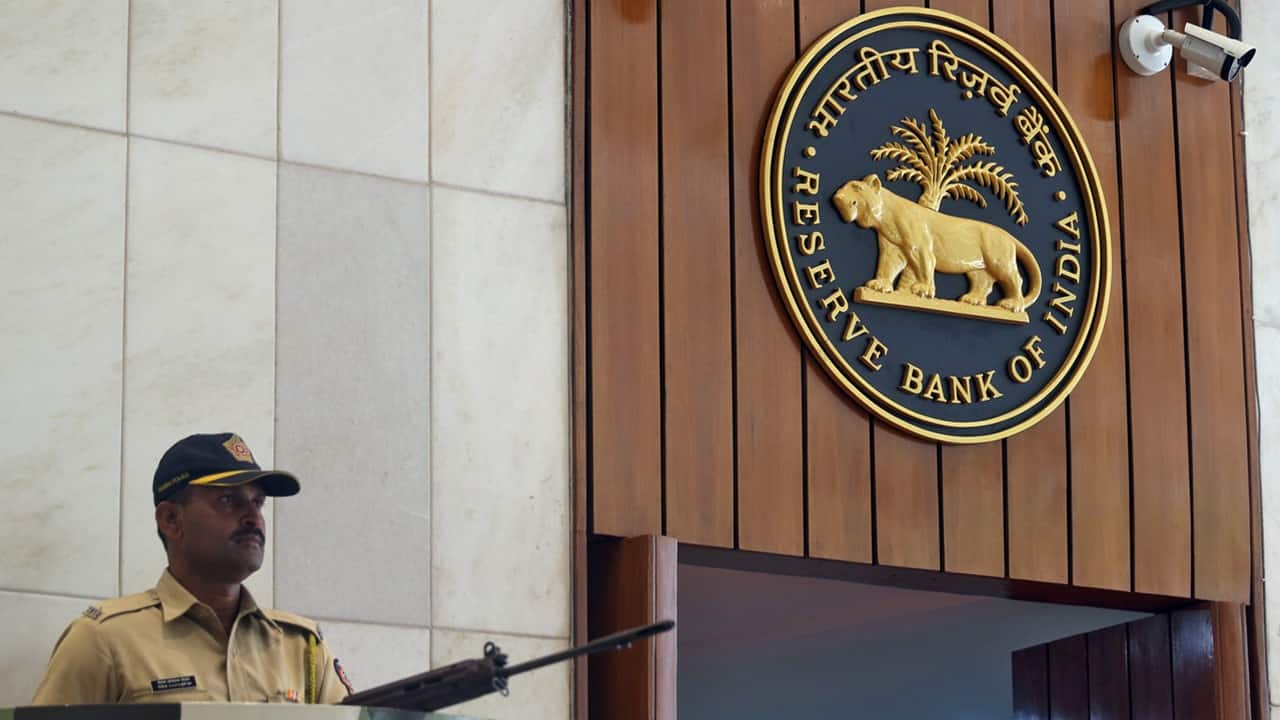
The Reserve Bank of India proposed a ‘Stop Switch’ to block outgoing payments and a ‘Trusted Person Mechanism’ for high-value transfers. These safeguards aim to protect bank customers from electronic fraud. Users can now set transaction limits, switch off digital channels, and nominate someone to approve large fund transfers.
Market Mastery
Webinar by Vishal Malkan
Find the weak links
in your portfolio by Vishal Malkan
The Reserve Bank of India (RBI) has proposed a set of safeguards that will allow bank customers to restrict digital payment channels, set transaction limits and block all outgoing payments through a ‘Stop Switch’ to protect themselves against electronic banking fraud.
Under the draft RBI (Commercial Banks – Responsible Business Conduct) Fifth Amendment Directions, 2026, banks will also have to offer a ‘Trusted Person Mechanism’ (TPM), under which customers can nominate an individual to provide an additional layer of authentication for fund transfers exceeding a threshold set by them.
The proposed measures aim to strengthen fraud prevention by giving customers greater control over how and to what extent their digital payment channels are used.
Customers can set transaction limits, switch off channels
The draft directions require banks to allow customers to switch off one or more digital payment channels linked to their accounts and reactivate them when required. Customers will also be able to set transaction-wise, beneficiary-wise and daily limits, including an aggregate limit across digital payment channels.
For debit, credit and prepaid payment instrument cards, customers will be able to switch on or off transactions and set limits for domestic and international payments across point-of-sale terminals, ATMs, online and contactless transactions.
Stop Switch to block outgoing payments
The proposed Stop Switch will allow customers to immediately disable all customer-initiated future debits from their accounts. However, ongoing recurring mandates, standing instructions and certain bank-initiated debits, including loan instalments and charges, will remain outside its scope. Incoming credits will not be affected.
Trusted person to approve high-value transfers
Under the TPM, a trusted person aged 18 years or above will be able to approve or reject transactions exceeding the threshold configured by the customer. The trusted person will receive transaction details and have one hour to respond. A transaction will be declined if approval is rejected or no response is received within that period.
The mechanism will be voluntary and require the explicit consent of both the customer and the trusted person. It will not give the trusted person access to the customer’s account or make them liable for its transactions. UPI payments, merchant payments and recurring payments through standing instructions, e-mandates or NACH mandates will be excluded.
Wider definition of bank negligence
The RBI has also proposed widening the definition of ‘negligence by a bank’ in cases involving fraudulent electronic banking transactions. The draft includes failure to implement authentication requirements, send mandatory transaction alerts, provide round-the-clock fraud-reporting channels or act promptly on customer complaints.
It also includes bank-side system malfunctions or security breaches, and collusion by bank employees or third parties engaged by the bank, where these facilitate or result in fraud.
The draft states: “Negligence by a bank means any act of omission or commission on part of the bank which results in or contributes to the occurrence of a fraudulent electronic banking transaction in a customer account.”
The directions are proposed to take effect from July 1, 2027, or an earlier date chosen by a bank. Specified provisions relating to bank negligence will come into effect from January 1, 2027.