
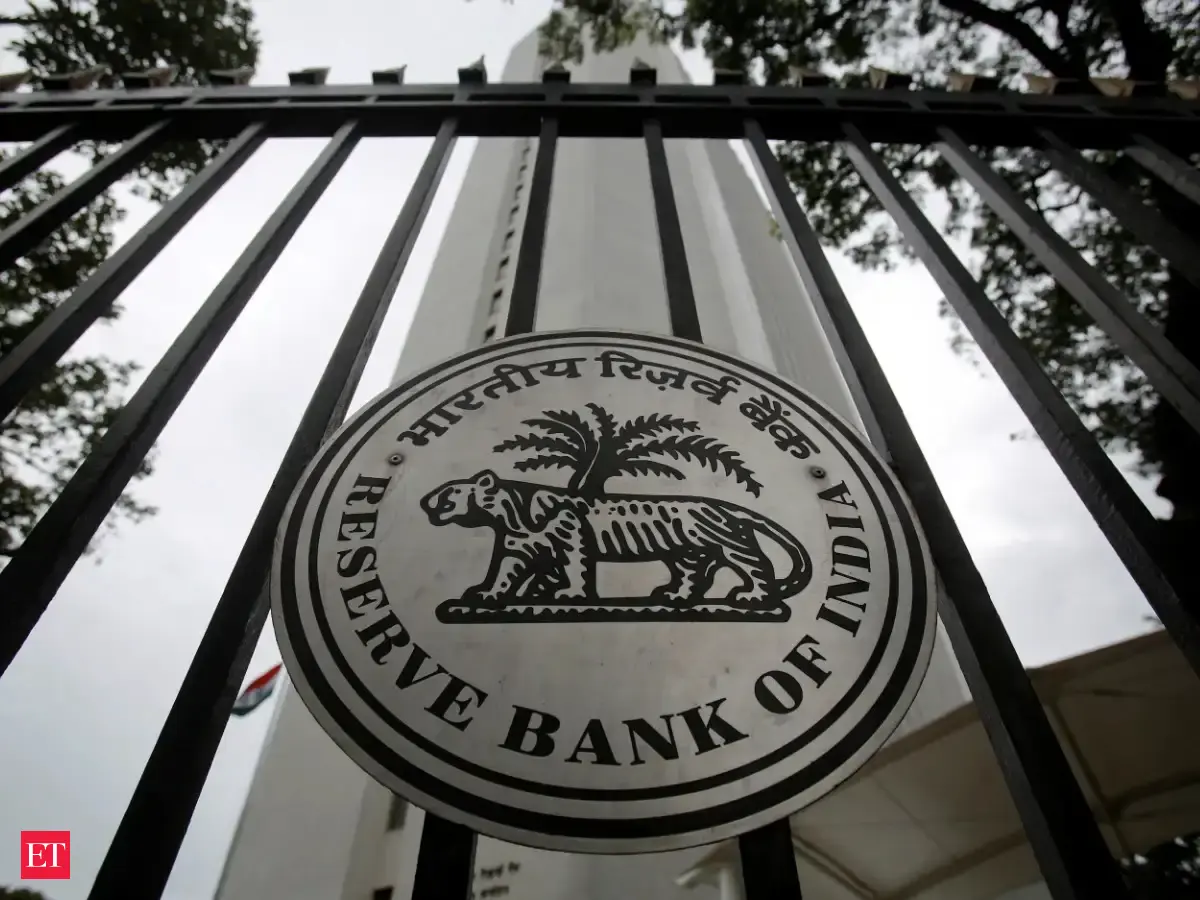
The Reserve Bank of India clarified on Thursday that the new foreign exchange risk reserve does not apply to banks doing market-making or proprietary trades. The central bank said the rule also excludes interest on External Commercial Borrowings and dividends. These funds must stay in a current account without interest.
Synopsis
Reserve Bank of India recently clarified the applicability of foreign exchange risk reserve for banks. The requirement does not apply to banks engaging in market-making or proprietary trading. It will also not affect interest on External Commercial Borrowings or dividends payable to non-resident investors. The FERR must be maintained until one day after the derivative contract's termination.
Mumbai: Reserve Bank of India (RBI) has clarified that the new foreign exchange risk reserve (FERR) will be not be applicable for banks undertaking trades for market-making or assuming proprietary positions. Also, FERR will not be applicable on interest on External Commercial Borrowings (ECBs) or coupons on resident debt instruments held by non-residents, or dividends payable to non-resident investors, the central bank said in FAQs released on Thursday.
The clarifications are a relief to banks who were unsure of trading in the foreign exchange market after the RBI imposed a 20% cash reserve requirement on forex derivative contracts above $2 million. The RBI said that the FERR requirement applies only to derivative contracts where the user purchases foreign currency against rupee.
The FERR applicable for a particular derivative contract is required to be maintained until a day after the termination of the derivative contract. The FERR shall be deposited and maintained in the authorised dealer’s current account with RBI on a daily basis. These funds maintained with the RBI shall not earn any interest and will not be classified as high quality liquid assets (HQLA).
RBI said the new FERR requirement will not apply to foreign exchange derivative contracts undertaken by users for hedging capital account transactions like foreign direct investments, ECBs or issuance or transfer of equity shares.
FERR is applicable for authorised dealers with notional value exceeding $2 million but banks must guard against any attempt towards structuring of derivative transactions for avoidance of these provisions, RBI said. The notional amount of the single option with the highest notional value shall be reckoned for applying the $2 million threshold and computing the FERR.
Live Events
MORE STORIES FOR YOU✕
RBI issues clarifications on forex hedging curbs
Bank deposits hit record $3 trillion in September, boosted by dollar deposits scheme
« Back to recommendation stories
I don't want to see these stories because
They are not relevant to meThey disrupt the reading flowOthers
SUBMIT
Upon part cancellation of the derivative contract, if the notional amount of the derivative contract which is still valid falls below the applicable threshold, the FERR requirement for such derivative contracts will cease, from the day following such reduction, RBI said.
(You can now subscribe to our Economic Times WhatsApp channel)
The ABCD of the US mid-term elections – Part 1: Why it matters across the globe
Onion inflation at 108%? Yes, but not really. What is different this time?
Curbing rupee bets: What the RBI’s new rules mean for the hedge-now-or-wait question