
A passenger plane flying from Greece to Germany triggered a major security alert on Tuesday, October 13, after its cockpit transmitted a hijacking signal. German fighter jets scrambled as the airport suspended operations. Corendon Airlines later said the alert was a brief malfunction, and the plane landed safely without danger.
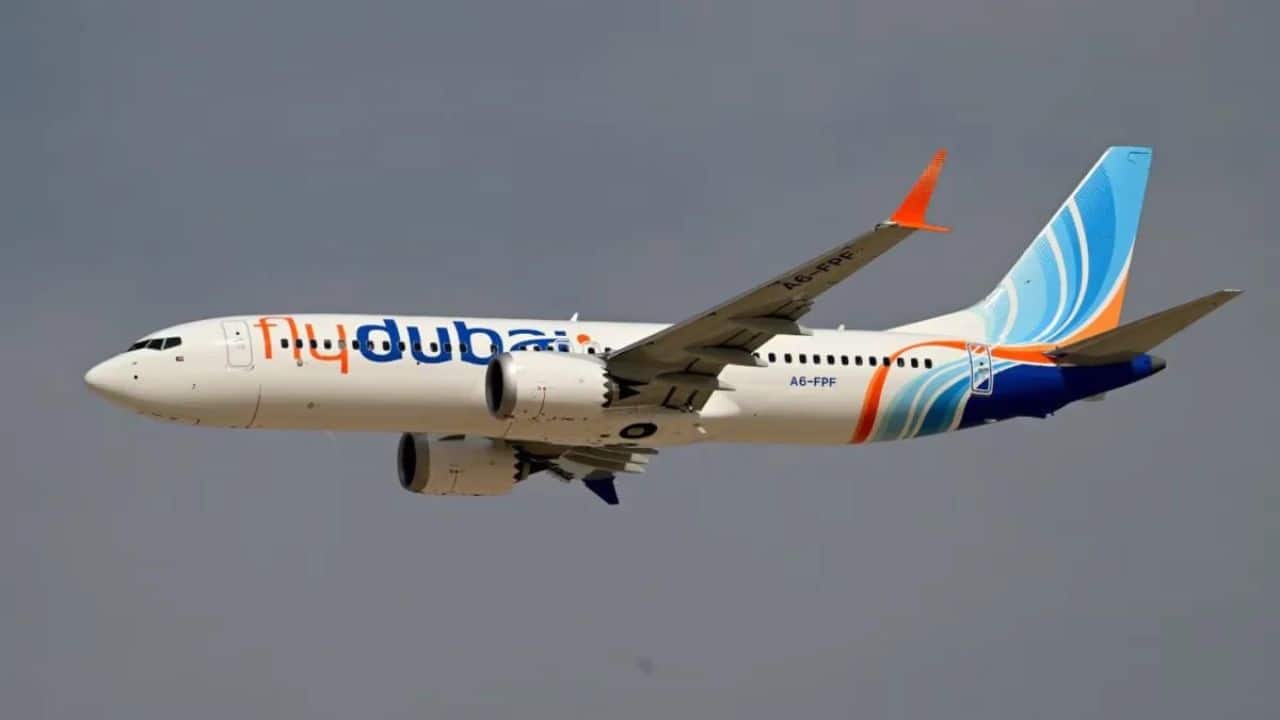
A passenger plane flying from Greece to Germany triggered a major security alert on Tuesday, October 13, after its cockpit transmitted a signal indicating a possible hijacking. Within minutes, German fighter jets were scrambled, police were mobilised and Nuremberg Airport suspended operations. But there was one unexpected twist. The plane had not been hijacked. The aircraft, a Boeing 737-800 operated by Corendon Airlines, was travelling from the Greek island of Corfu to Nuremberg when it transmitted the emergency code 7500 while flying over Croatian airspace. The code is internationally recognised as a warning of unlawful interference, including a possible hijacking. The situation became more alarming when air traffic controllers were unable to establish radio contact with the pilot. With no way to confirm what was happening inside the cockpit, authorities treated the signal as a potential security threat. Germany's air force dispatched two Eurofighter jets from Neuburg Air Base in southern Germany. The military aircraft intercepted the passenger jet and accompanied it towards Nuremberg. Meanwhile, security personnel prepared for a possible emergency on the ground. The airport was temporarily closed, and police cordoned off parts of the facility. According to Associated Press, six flights were delayed and two incoming aircraft were diverted. The passenger plane eventually landed safely, at approximately 12.15 pm local time. Only after the aircraft was on the ground did authorities establish that there had been no hijacking. Corendon Airlines attributed the alert to a brief malfunction in the aircraft's radio communication system. The airline said passengers, crew and the aircraft had not been in danger. The incident highlights why aviation authorities take emergency transponder codes seriously, even when there is no other indication of trouble. Aircraft use specific four-digit codes to communicate emergencies to air traffic control. Code 7500 indicates possible hijacking, while 7600 signals radio communication failure and 7700 indicates a general emergency. A hijacking code combined with an inability to contact the cockpit is particularly concerning because controllers cannot immediately determine whether the aircraft is under someone else's control. According to Germany's air force, its fighter jets are called upon to investigate lost communication with civilian aircraft approximately once or twice a month. The alert also came amid heightened aviation security concerns in Germany, where a suspected drone sighting had already disrupted operations at Nuremberg Airport overnight. It followed a separate incident involving a FlyDubai flight in which a co-pilot attacked the pilot with an emergency axe, an episode described by United Arab Emirates authorities as a terrorist attack. For passengers aboard the Corendon flight, however, the journey ended without injury or any actual hijacking. The incident was a reminder that a technical malfunction can sometimes trigger the same security response as a genuine threat.