
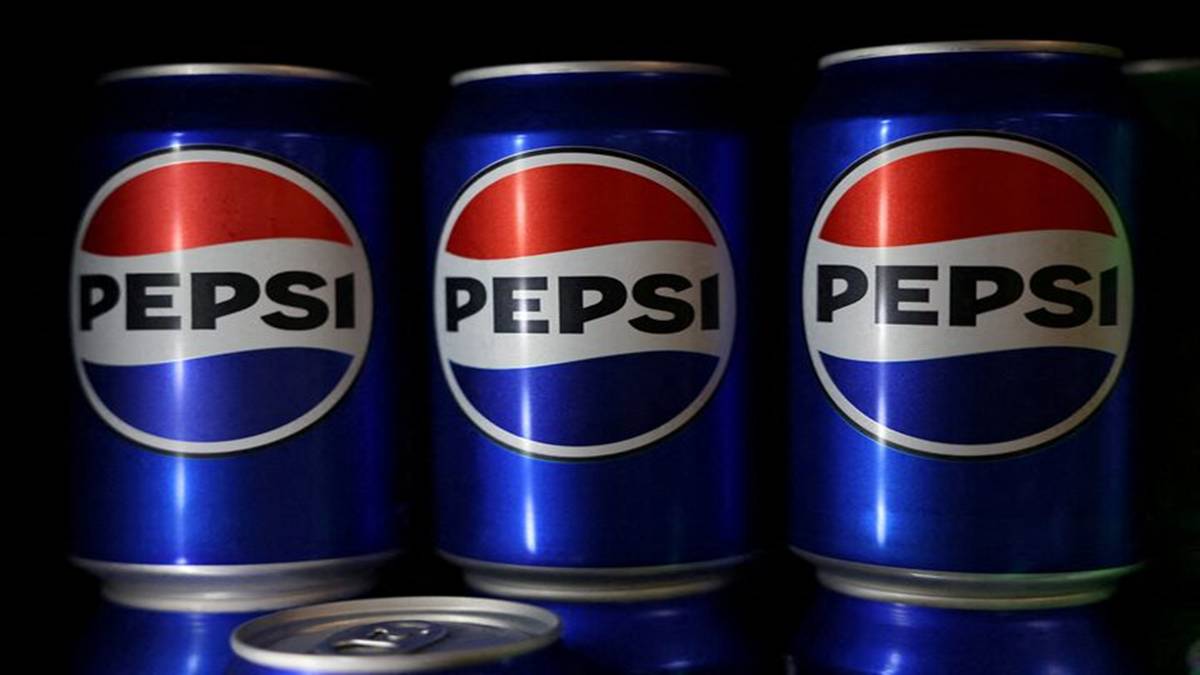
PepsiCo executive Nitin Bhandari said on Friday that non-alcoholic beverages should be taxed based on their sugar content. He suggested lower levies for low-sugar products to encourage healthier choices. "Why should all beverages be taxed the same?" he asked. The company aims for most products to be low-sugar by 2026.
Non-alcoholic beverages should be taxed based on their sugar content, with lower levies on low-sugar products and higher taxes on high-sugar variants, Nitin Bhandari, vice-president and general manager, India and South Asia Beverages at PepsiCo, said on Friday.
Speaking at the National Beverage Conclave in New Delhi, Bhandari said a sugar-based taxation framework could incentivise companies to reduce sugar content across their portfolios and spur investments in research and development (R&D), consumer awareness and distribution.
"Why should all beverages be taxed the same? A low-sugar beverage should be taxed lower. A high-sugar beverage should be taxed higher," he said during a panel discussion at the event.
Under the revised GST structure, aerated drinks and other non-alcoholic beverages containing added sugar or sweeteners attract 40% GST, while certain non-carbonated fruit-based drinks, milk-based beverages and soya drinks are taxed at 5%. The current tax structure is based on product classification rather than graded sugar content.
Bhandari called for industry and policymakers to work together to establish clear standards for classifying low-sugar and zero-sugar beverages, pointing to potential ambiguity in implementation. "Currently, the framework does not exist and there is ambiguity. But if the industry and the government work together, I am sure a framework can be constructed," he said.
Beyond taxation, Bhandari said the industry needed to focus on improving the taste, affordability and availability of low-sugar alternatives.
He said PepsiCo had invested in a local R&D facility in India and developed proprietary sweetener blends and flavour modifiers to develop beverages with lower sugar content. Nearly 80% of the products the company sells in 2026 would be low-sugar or zero-sugar, he added.
However, wider distribution remains a challenge. While beverages are available across around six million outlets in India, zero-sugar products are estimated to be present in only one million to 1.5 million outlets, Bhandari said.
He said expanding access to these products, alongside investments in consumer awareness and product innovation, would be critical to accelerating the industry's transition towards lower-sugar beverages.