
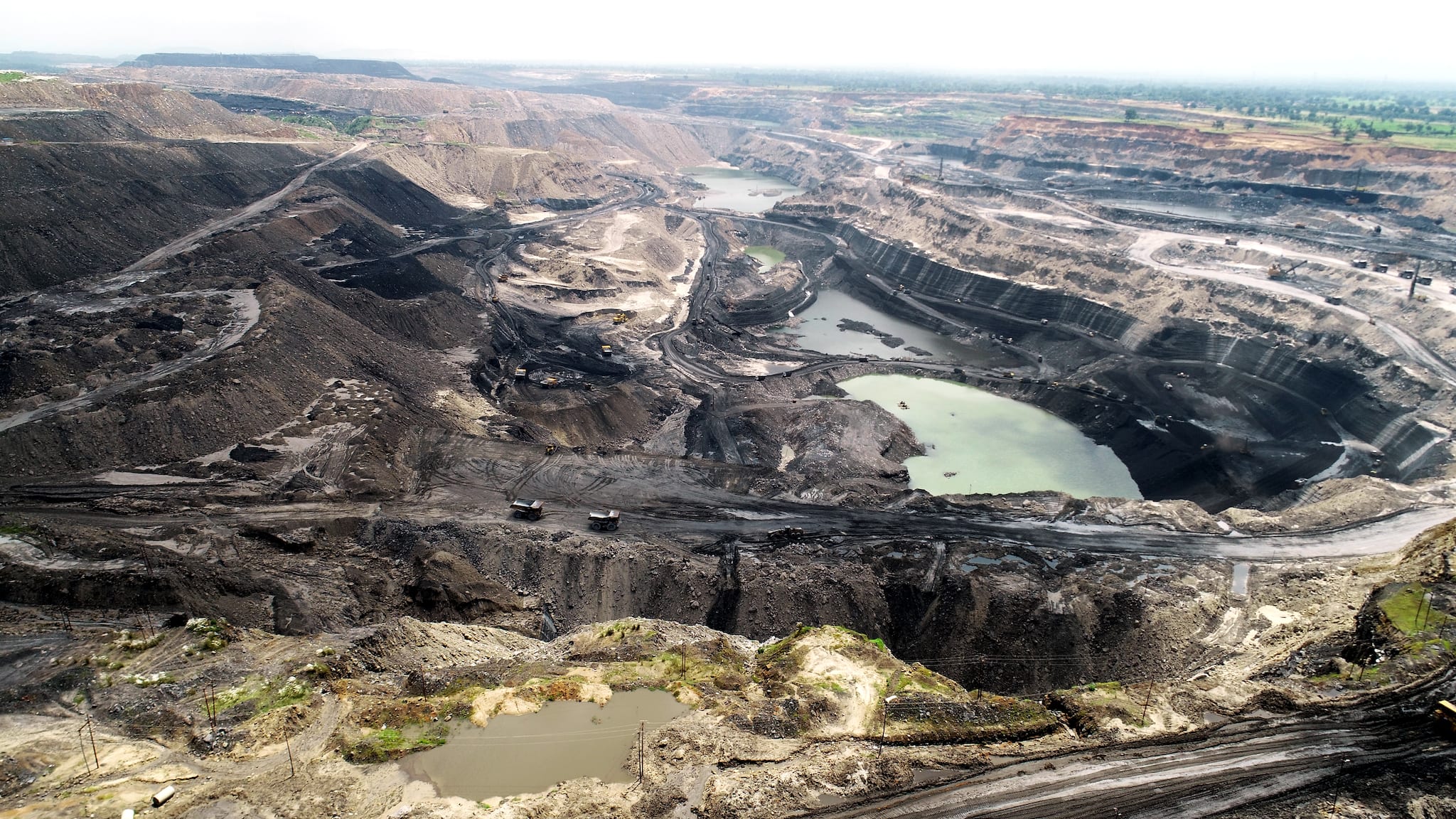
Only 25 of 137 commercial coal mines allocated since 2020 started production. Coal Secretary Vikram Dev Dutt said, "A block that is allocated but not producing is capacity the country has set aside and cannot use." The ministry now pushes companies to speed up operations to meet rising domestic demand.
The Ministry of Coal has urged companies allocated commercial and captive coal blocks to expedite their operationalisation, with only 25 of the 137 commercial coal mines allocated since 2020 having started production. At a stakeholder consultation in Panjim, Goa, on Friday, Coal Secretary Vikram Dev Dutt said India's next gains in domestic coal production would depend not just on allocating new blocks but also on bringing already allocated mines into production. "A block that is allocated but not producing is capacity the country has set aside and cannot use," Dutt said. The ministry asked allottees to operationalise mines ahead of revised timelines, ramp up production to peak rated capacity quickly and flag issues related to land acquisition, forest clearances and state-level approvals at an early stage.
It also sought industry suggestions on policy changes that could accelerate mine operationalisation, provisions in coal mine agreements that need to be revisited, and amendments required to existing laws and rules. The push comes amid expectations of rising domestic coal demand. NITI Aayog projects India's coal demand to increase from around 1.25 billion tonnes in 2025 to more than 2.6 billion tonnes by 2050 under current policies. Even under a net-zero pathway, demand is projected to exceed 1.8 billion tonnes. India produced 1,041 million tonnes of coal in FY26, with coal accounting for more than 70% of the country's electricity generation, the ministry said.
Dutt also flagged continuing pressure on global energy markets following disruptions to LNG and LPG supplies from West Asia since late February. The International Energy Agency expects gas markets to remain tight through 2027. Asian spot LNG prices averaged $17.5 per million British thermal units in the second quarter of 2026, 45% higher than a year earlier. Global coal demand is forecast to reach a record 8.94 billion tonnes in 2026. "Each tonne we produce at home protects the economy from these swings," Dutt said. Coal sector reforms The consultation also reviewed reforms introduced under the commercial coal mining framework in 2020.
These included removing end-use restrictions, shifting to a revenue-sharing mechanism linked to the National Coal Index, dropping technical and financial eligibility conditions, and allowing 100% foreign direct investment through the automatic route. The ministry said scheduled operationalisation timelines had been reduced from 51 months to 40 months for fully explored blocks and from 66 months to 52 months for partially explored blocks. Mining plan approvals now take an average of 4.5 months, compared with nine months earlier. Mine Opening Permission is now granted by the company board, while 44 accredited exploration agencies no longer require a prospecting licence.
Focus on responsible mining The ministry also emphasised the need to balance higher coal production with environmental protection and community welfare. Dutt called for scientific mine closure practices and ecological restoration of mined-out areas. He also stressed the importance of strengthening corporate social responsibility initiatives in coal-bearing regions. The secretary said companies must ensure that families giving up land for mining are informed about their rehabilitation, resettlement and livelihood restoration from the outset, and that commitments made to affected families are honoured.
Discussions at the consultation also covered underground coal gasification, artificial intelligence, robotics, digital technologies, modern exploration techniques, mine safety, coal-bed methane, first-mile connectivity and ways to increase domestic coking coal production. The ministry said it would consolidate suggestions received from stakeholders and take them up with the relevant departments.