
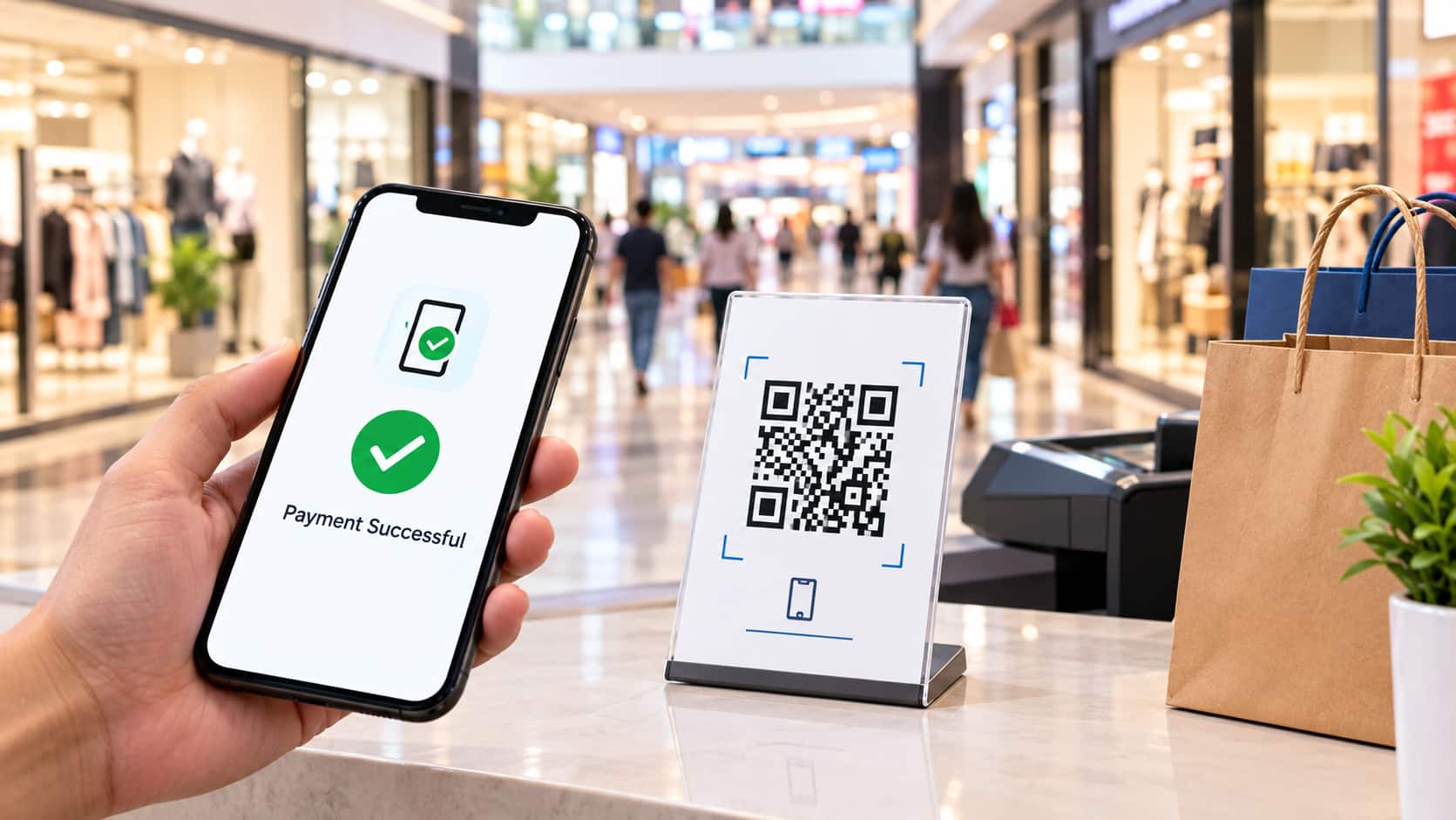
The NPCI postponed UPI MDR charges until after Diwali, the organisation said on October 13. The committee cited the festive season and operational hurdles for this delay. "MDR on select Person-to-Merchant UPI transactions shall be implemented immediately post Diwali," NPCI said. Many merchants had requested more time for these changes.
Market Mastery
Webinar by Vishal Malkan
Find the weak links
in your portfolio by Vishal Malkan
The National Payments Corporation of India (NPCI) has decided to postpone implementing MDR charges until after Diwali in the second week of November, the organisation said in a press note on October 13.
The UPI Steering Committee meeting discussed the various challenges and cited the festival season in implementing MDR from this week (Thursday).
NPCI runs UPI, the country’s dominant digital payments platform.
"UPI and Services Steering Committee today decided that, keeping in mind the festive season, MDR on select Person-to-Merchant (P2M) UPI transactions shall be implemented immediately post Diwali on a date to be notified separately," NPCI said in a media statement.
Moneycontrol on October 8 reported that NPCI is considering proposals to postpone the implementation of UPI MDR to January 2027.
The development comes after merchant bodies, fintechs and payments companies requested NPCI to postpone the implementation, citing concerns over consumer sentiment ahead of festival sales, varying MDR rates, policies and their applicability across different UPI transactions.
Last month, the UPI Steering Committee fixed the UPI MDR at 0.4 percent or 40 basis points for transactions above Rs 2,000.
MDR is the fee charged to merchants for processing digital payments. The 0.4 percent fee translates into Rs 8 per Rs 2,000 spent or Rs 40 for every Rs 10,000 paid using UPI.
Moneycontrol reported that the government fears that MDR will increase the cost of business during festive sales even as inflation is rising. There are also concerns that merchants could pass on the cost of MDR to consumers in some form.
Finance Minister, on October 8, said that the MDR on UPI transactions will be handled by stakeholders, leaving the decision on when the charges will be levied to the payments ecosystem.
Why UPI is more complex than cards
Since the announcement of MDR, the move has faced intense pushback from merchants and political circles. While cards are accepted at around 11 million terminals, UPI is accepted across 100 million merchants in small towns and villages.
Many segments have campaigned for flat fees or lower rates, citing UPI’s popularity, ease of use and consumer sentiment.
All payment-accepting merchants have category codes, and card networks process and verify transactions based on these codes. While cards have relatively uniform rates, UPI has announced differential rates for utility payments, loan repayments and capital market transactions, among others.
Interestingly, many of these payments cannot be done through cards. For instance, RBI disallows credit cards for loan repayments or capital market transactions.
Before UPI became popular, many of these transactions were done using net banking, IMPS, NEFT or RTGS. While these transactions had charges, they did not follow the MDR structure of card payments. Banks also charged both the sender and receiver for some of these transactions.