
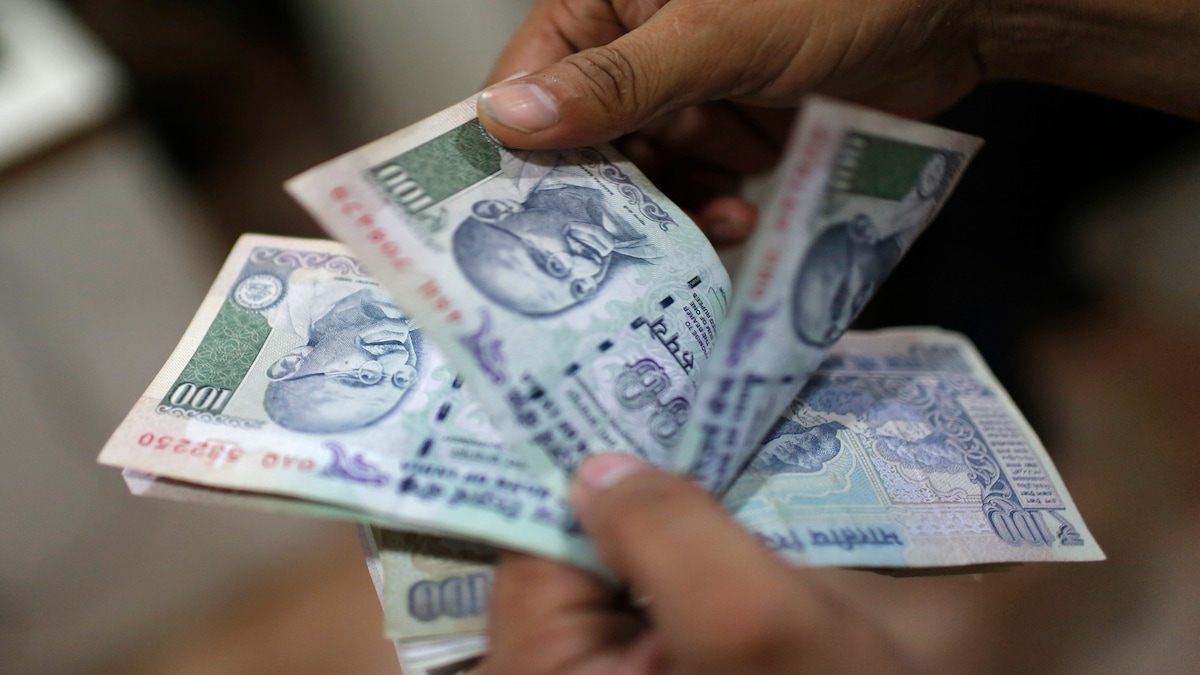
The Indian rupee reached a seven-month high of 93.33 against the US dollar on Thursday, November 19. The currency got a boost as foreign investors bought many Indian shares. Softer crude oil prices also helped the recovery. Traders reduced bearish positions, which further supported the rupee during the trading session.
The Indian rupee extended its winning streak on Thursday, November 19, reaching a seven-month high against the US dollar as continued foreign investor purchases and easing crude oil prices provided support to the domestic currency.
At the interbank foreign exchange market, the rupee strengthened to 93.3340 against the dollar, compared with its previous close of 93.4175, marking an appreciation of 7.75 paise.
The domestic currency began the session at 93.4000 and fluctuated between 93.1700 and 93.5500 during the day.
The recent appreciation has been driven by consistent foreign portfolio investor (FPI) participation in Indian equities, relatively cheaper crude oil and traders reducing their bearish positions on the rupee. However, a firm US dollar and the possibility of additional monetary tightening by the US Federal Reserve remain potential headwinds.
What is driving the rupee's recovery?
Continued buying by foreign investors
Foreign institutional investors (FIIs) maintained their positive stance on Indian equities for a 13th consecutive trading session on Wednesday. According to provisional exchange figures, they bought shares worth ₹5,866.78 crore.
These investments have contributed to higher dollar availability in the domestic foreign exchange market, providing support to the rupee.
Easing crude oil prices
Movements in international oil prices remain an important factor for the Indian currency, given the country's dependence on crude imports.
Brent crude, the global benchmark, was trading 0.26% lower at $91.71 per barrel in futures trade.
A moderation in oil prices can lower India's overall import expenditure and reduce the dollar requirement of domestic oil importers. This, in turn, eases demand for the US currency and provides some relief to the rupee.
Traders reduce bearish positions
Changes in currency market positioning have also helped the rupee gain ground. Market participants have been cutting back on bets against the Indian currency, triggering short-covering activity.
This reduction in bearish positions has added to the buying support for the rupee and contributed to its recent appreciation.
RBI initiatives and changing market positions
Measures introduced by the Reserve Bank of India (RBI), including initiatives to encourage foreign currency deposits, have also been identified by market strategists as factors supporting the domestic currency.
What could limit further gains?
Despite its recent advance, the rupee continues to face risks from international monetary developments. The US dollar has remained relatively strong, with the dollar index trading close to a 19-month high.
Minutes of the US Federal Reserve's October meeting highlighted policymakers' concerns about persistent inflation. Some officials indicated support for additional monetary tightening.
Fed Governor Christopher Waller has also proposed a 50-basis-point interest rate increase in December or a quicker pace of hikes in 2027.
Higher interest rates in the US could make dollar-denominated assets more attractive to global investors, potentially strengthening the greenback and restricting further gains in the Indian currency.