
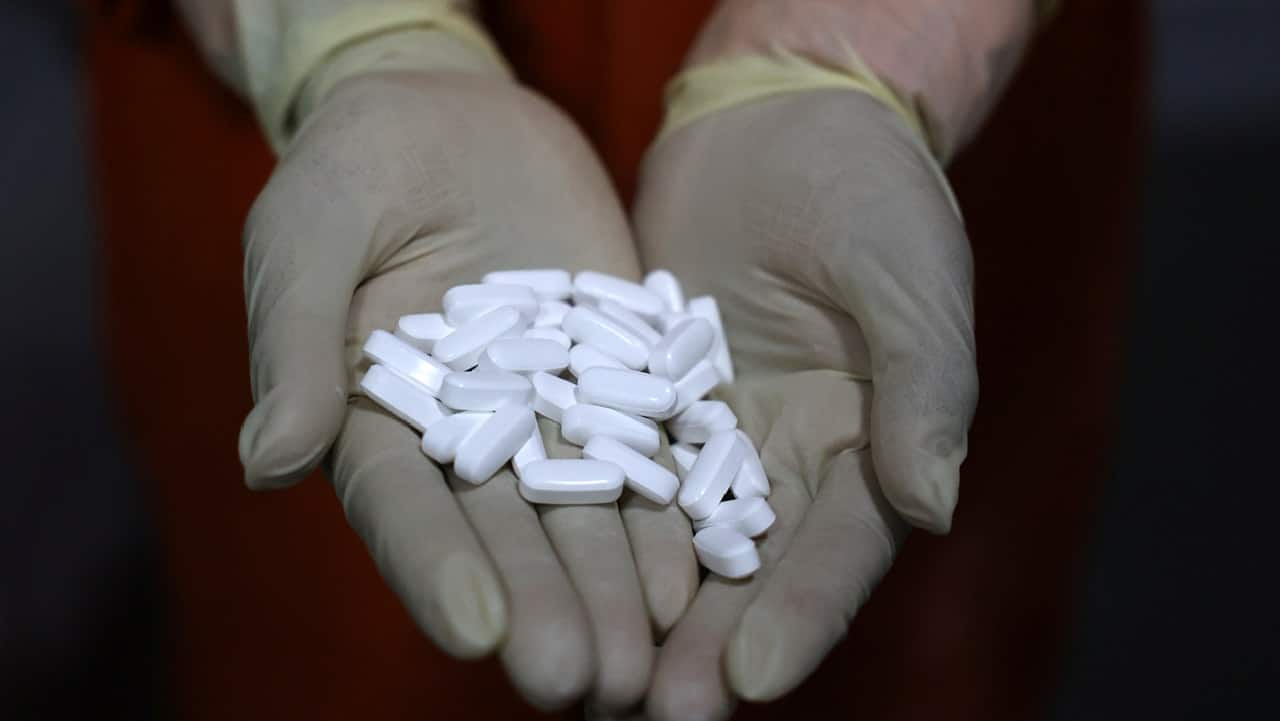
The Middle East conflict is hitting Indian drugmakers by inflating freight, fuel, and raw material costs. Biocon delayed $20 million in revenue, while Cipla and Dr. Reddy’s reported margin hits of up to 200 basis points. Executives said, "As the war prolongs, tn increase across raw materials."
The escalating conflict in the Middle East is beginning to hit Indian drugmakers, disrupting supply chains, inflating freight bills, and pushing up raw material and energy-linked costs, even as a weakening rupee cushions export earnings. The latest sign came from Biocon, which disclosed that shipment disruptions linked to the ongoing conflict have delayed about $20 million in revenue that was supposed to be booked in the September quarter, highlighting how geopolitical tensions are no longer a distant risk but a tangible business challenge for pharmaceutical companies with global supply chains.
Top executives of pharma companies told Moneycontrol that they are currently building inventories, securing alternate sourcing arrangements and rerouting shipments to avoid major disruptions. However, if shipping bottlenecks persist and transit times continue to lengthen, they warned that industry could potentially face shortages of certain medicines and pharmaceutical ingredients in the future. 100-200 basis points impact on margins At Cipla, Managing Director and Global Chief Executive Officer Achin Gupta said the prolonged conflict has triggered broad-based cost inflation across the company's supply chain.
"As the war prolongs, there is an increase (in costs) across raw materials, across fuel, across solvents," Gupta said. According to Gupta, the geopolitical situation has had a 100-200 basis point impact on quarterly performance, driven by a combination of supply disruptions to the Middle East, higher freight expenses and elevated input costs. The company has also seen supplies to certain markets get disrupted, affecting revenue in impacted geographies. To mitigate the fallout, Cipla has increased inventories of key inputs and absorbed part of the additional costs. "We are trying to ensure as much of supply security as possible, and absorbing some of the cost, but, at some point, there is a dialogue to be had with customers and with all the payers on the cost side as well,"
Gupta said. A similar trend is playing out at Dr. Reddy's Laboratories, where management says logistics and raw material inflation have weighed on profitability. "Clearly we see the impact of this Middle East war. Both we are seeing the impact on the key starting materials, solvents and as well as logistic related freight outwards charges," said M. V. Narasimham, Chief Financial Officer of Dr. Reddy's Laboratories. Narasimham estimated that the conflict-related inflation has resulted in roughly a 100-basis-point impact on the company's quarterly numbers. "Overall what the numbers you are seeing Q2 is after absorbing that additional cost.
At least I see, there is a 100 basis points impact of this war related additional cost," he said. The pressure is being felt across multiple cost heads. Freight rates on some routes have risen as vessels avoid conflict zones, increasing transit times and insurance costs. At the same time, prices of solvents and other petroleum-linked chemical inputs have moved higher as crude oil prices inches higher, raising manufacturing expenses for drugmakers. Potential shortages if war intensifies While Indian pharmaceutical exports have so far avoided the severe disruptions seen during the COVID-19 pandemic, industry executives say the conflict has increased logistics costs, delayed shipments and raised prices of key inputs such as solvents and other chemical intermediates.
According to a report by Jefferies, global container freight rates surged by 130 percent to 132 percent between February and October 2026, climbing from an average of $2,000-$2,500 to $4,000-$4,500 per container. On specific trade lanes connected to Indian exporters, freight charges jumped 4 to 5 times higher than previous baselines. Shipments to and from the Red Sea and Persian Gulf faced additional War Risk Surcharges (WRS) ranging from $500 to $4,000 per container due to Strait of Hormuz disruptions. Even shipment cost to China, which is major supplier of key starting materials have doubled.
Drugmakers are, however, receiving some relief from the rupee's depreciation against the dollar. Because a substantial portion of pharmaceutical exports is denominated in dollars, currency gains have partly offset the increase in logistics and raw material costs. Still, executives caution that the currency tailwind is insufficient to fully neutralise the inflationary pressures. Generic drugmakers operate under fixed contracts in key export markets and have limited flexibility to immediately pass on higher costs, thereby eroding operating margins.