
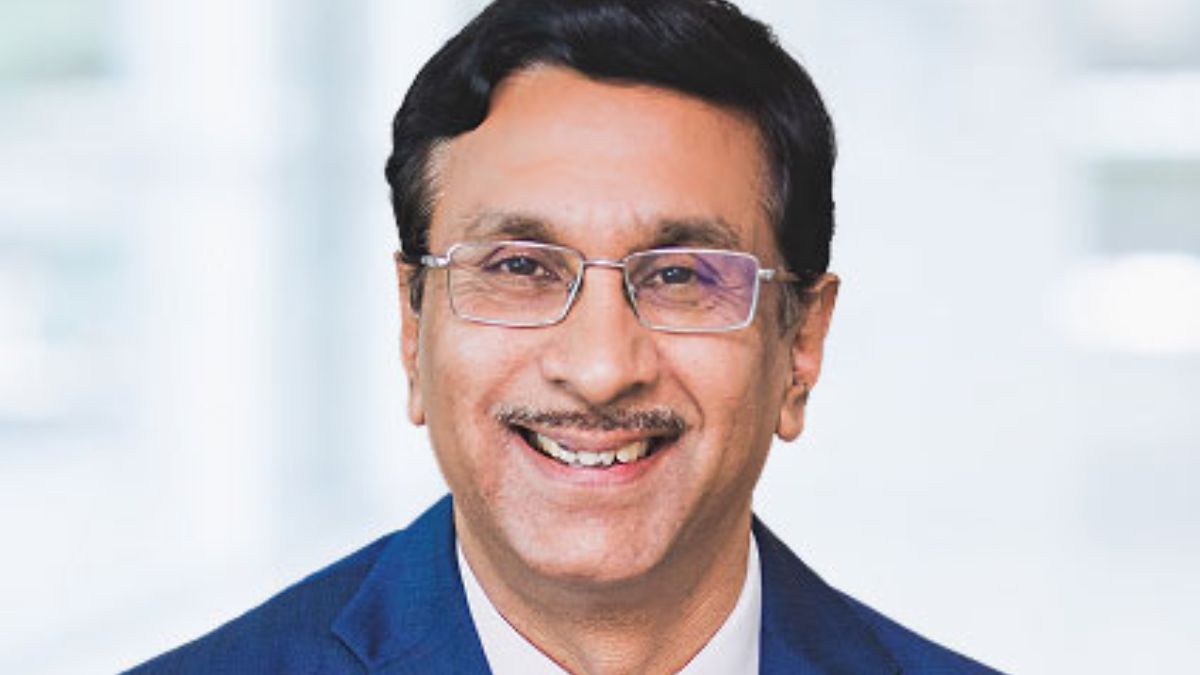
JSW Steel expects India’s steel consumption to reach 177 million tonnes by FY27. Joint MD Jayant Acharya said, "Demand is broad-based, and we expect consumption-led growth to strengthen over the medium term." The company saw improved sales in Q2 and plans to boost captive mining capacity to meet rising domestic needs.
Jayant Acharya, joint managing director and CEO, in an interview with Urvi Malvania, discusses demand, margins, input costs and expansion plans.
Q. Steel consumption grew 7.5% to 85 million tonnes in H1. Is demand recovery sustainable?
A. Demand remained resilient despite geopolitical challenges. Q2 production and sales improved, including liquidation of over 210,000 tonnes of inventory built up in Q1. We expect consumption to reach 92 million tonnes in H2. Our volumes will also benefit from the ramp-up of blast furnace 3 at Vijayanagar, which crossed 90% utilisation in September.
Q. Revenue and absolute Ebitda have improved, but Ebitda per tonne declined sequentially. Why?
A. Long steel prices fell sharply in June and July due to seasonal weakness before recovering in August and September. Our net realisation declined by slightly over Rs 500 per tonne in Q2, while costs rose by more than Rs 1,300 per tonne, creating a margin impact of about Rs 1,850 per tonne between the two quarters. Price recovery and operating efficiencies should help offset these pressures.
Q. Can recent steel price increases be sustained?
A. The price increases in September and October will be fully reflected in the October-December quarter. This should help offset higher input costs. Coking coal costs rose by $10 against our guidance of $12-15, while other inputs also remained under pressure.
Q. Is demand still dependent on government capital expenditure?
A. Public capex in the first five months was Rs 5.1 lakh crore, up 18%. Private investment is also improving. Our institutional sales grew 15%, automotive sales 36%, appliance sales 28% and renewables sales 14%. Demand is broad-based, and we expect consumption-led growth to strengthen over the medium term.
Q. What is the progress on captive mines and scrap recycling?
A. Three Karnataka mines awaiting clearances are expected to start by Q4, taking our captive mining capacity in the state to about 15 million tonnes. One of our four Goa mines is operational, with the others expected to start progressively. We aim to secure at least 50% of raw material requirements through captive resources, while bidding prudently as iron ore premiums rise.
We have also commissioned part of a 0.5-million-tonne scrap processing facility near Dolvi, with the balance expected by December. Another similar facility is planned in Chennai.
Q. How are imports affecting the domestic steel industry?
A. Finished steel imports increased in H1, particularly from China and free trade agreement countries, and need close monitoring. Safeguard measures are helping, and the government is likely to act against dumping. China's declining steel consumption could create opportunities for Indian producers, particularly as domestic demand and engineering exports grow.
Q. What is the outlook for your US operations and green steel business?
A. Operational Ebitda in the US grew 55% to $19 million in Q2. Upgrades at Ohio are complete, while modernisation at Baytown will be completed in October, supporting higher H2 volumes. Our low-carbon steel is being marketed in the US and Europe, where customers may pay a premium for certified products.
Q. What are the key priorities for H2 and the medium term?
A. Blast furnace 3 will raise output to 4.5-5 million tonnes, improving fixed-cost absorption and productivity. A slurry pipeline, expected by March-April 2027, should further reduce costs. We have 1,000 MW of renewable energy operational and plan another 1,500 MW. Expansion projects remain on track, with the Salav low-carbon steel facility targeted for commissioning by 2032.