
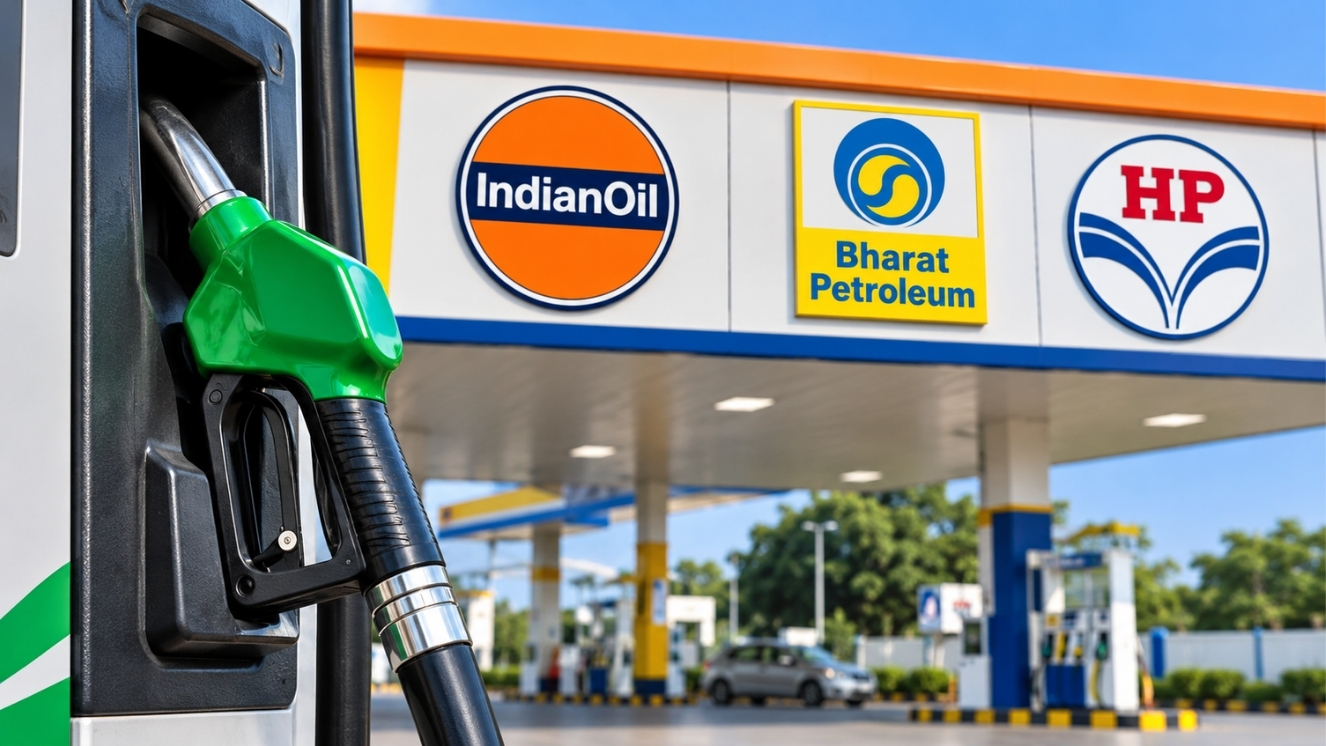
Indian Oil, BPCL, and HPCL rejected Karnataka's claim of excess ethanol in petrol. The companies said all 893 samples tested across states met the 19-21% limit. They questioned the state’s testing methods, noting, "The claims, as reported, are not supported by testing conducted in accordance with the prescribed statutory procedures."
Indian Oil Corporation, Bharat Petroleum, and Hindustan Petroleum dispute Karnataka's claim of high ethanol content in petrol, confirming tests show levels within prescribed limits. They question the sampling and testing methods used by Karnataka.
The three oil marketing companies (OMCs) said all 893 petrol samples tested across 27 states and Union Territories met the prescribed ethanol content range of 19-21%. These included 56 samples from Karnataka, which recorded ethanol levels between 19% and 20%, averaging 19.30%.
"The claims, as reported, are not supported by testing conducted in accordance with the prescribed statutory and technical procedures," the companies said in a joint statement.
The OMCs questioned the sampling and testing methodology adopted during Karnataka's October exercise, saying samples were reportedly collected without their representatives. They also raised concerns over the use of a third-party laboratory rather than one specified under the applicable Control Order.
According to the companies, the laboratory certificates did not contain sufficient technical details to independently verify the reported ethanol levels.
The OMCs also questioned claims of annual consumer mileage losses of ₹62,000 crore and vehicle-repair costs of ₹39,000 crore, aggregating to ₹1.01 lakh crore.
They cited technical studies indicating mileage reductions of 1-2% in E20-calibrated vehicles and 3-6% in certain other vehicles.
The companies have sought complete laboratory reports, sampling documentation and counterpart samples from Karnataka for independent verification through an authorised laboratory.
They said any deviation established through prescribed testing procedures would be addressed under applicable guidelines.