
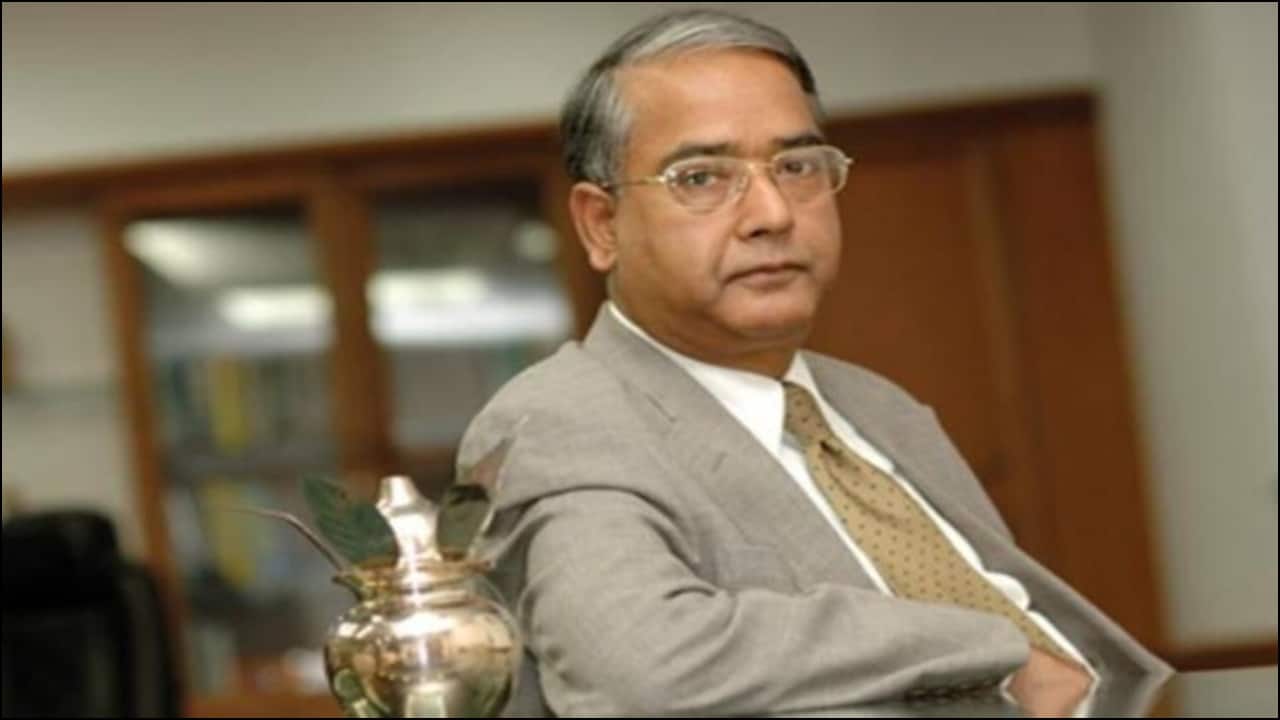
Former SEBI chief UK Sinha said India’s AIF industry now delivers stronger exits for foreign investors than many peer markets. He noted that the industry has grown significantly since 2012. "The developments in the last two years have also proven that your industry can provide excellent exits," he said.
Foreign investors once viewed exits as one of the weaker links in India's alternative investment fund (AIF) ecosystem. That perception has shifted, according to former SEBI chairman UK Sinha. Speaking at the CII Alternative Investment Fund Summit, he said developments over the past two years had demonstrated that the industry could deliver strong exits for both domestic and foreign investors, with India's track record stronger than that of many other markets.
Sinha recalled that limited and uncertain exit opportunities had been a frequent complaint, particularly among overseas investors seeking clarity on how and when they could realise their investments.
"The developments in the last two years have also proven that your industry can provide excellent exits to domestic as well as foreign investors," he said.
While foreign investors' decisions to return in larger volumes depend on several factors, he added, the exit environment itself was no longer the constraint it once was.
The improvement in exits forms part of a broader transformation that Sinha traced over the past decade and more. When the AIF regulations were introduced in 2012, few anticipated the scale the industry would reach by 2026. It now ranks second only to mutual funds in the quantum of capital mobilised, ahead of pension funds, Employees' Provident Fund Organisation (EPFO) flows, infrastructure investment trusts (InvITs), real estate investment trusts (REITs) and municipal bonds.
"The way this industry has shaped up in the last 10 to 14 years is a remarkable journey," he said.
At the same time, Sinha described the current phase as an early stage of growth. "This is only the take-off stage. You are likely to take off in a much bigger way as years come by," he said.
Even as he acknowledged the industry's progress, Sinha returned to the question of its purpose. An industry of this scale, he suggested, must demonstrate a clearer contribution to sectors that India needs to develop. Category I funds, which focus on start-ups, early-stage ventures and social enterprises, account for only 6.5 per cent of total commitments and 7 per cent of investments.
The bulk of capital continues to flow into later-stage and lower-risk strategies.
These early-stage businesses often struggle to secure funding from banks and public markets. For a country seeking to expand its pipeline of new companies and create jobs at scale, Sinha indicated, the current share of AIF capital directed towards this segment remains modest relative to the industry's overall capacity.
"For a country like India, greater investment in this segment can unlock significant opportunities for innovation and entrepreneurship," he said.
He added that the industry must remain mindful of its broader social and economic purpose if it is to continue receiving the policy and regulatory support it currently enjoys.