
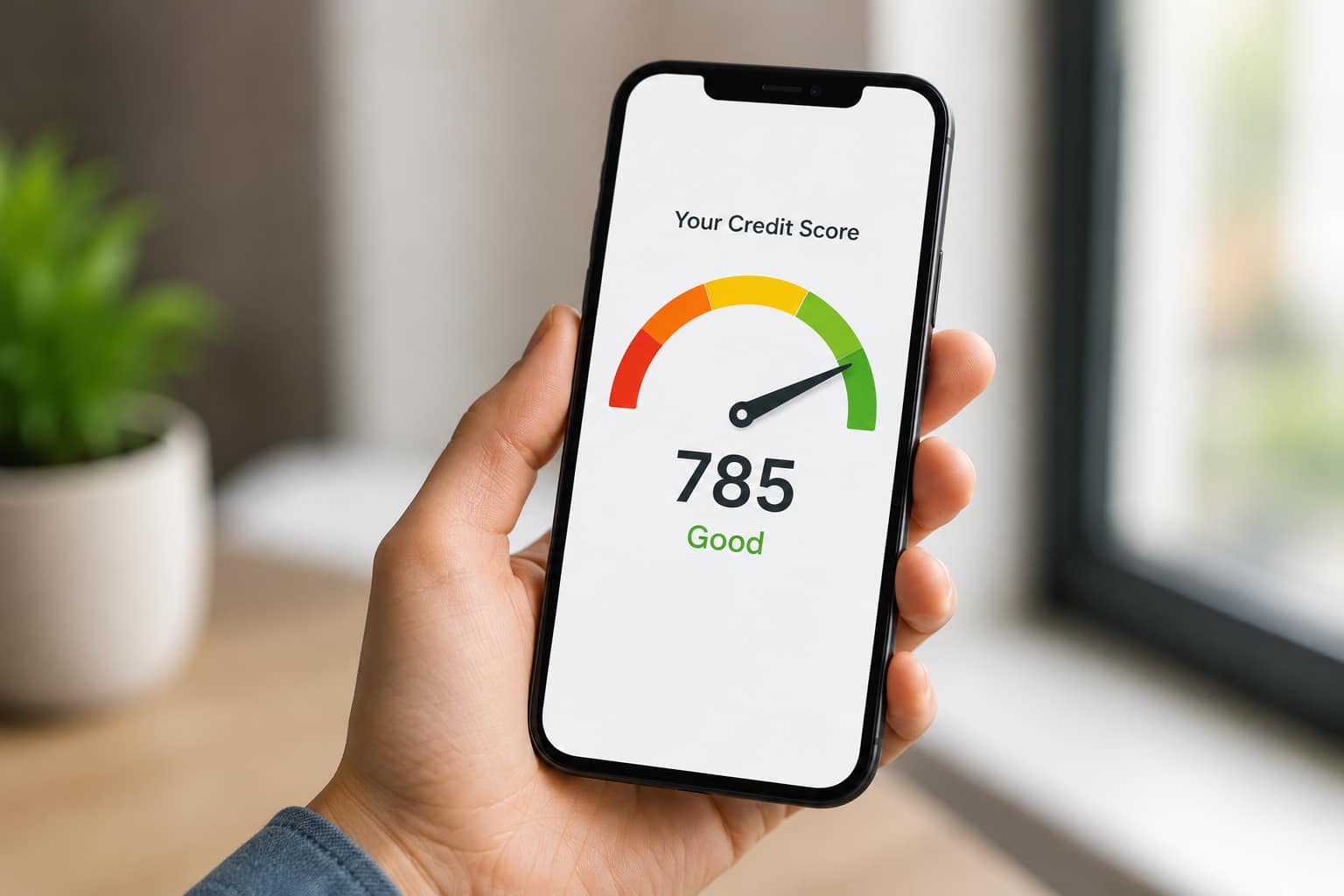
Your credit score is a three-digit number that reflects your credit history and repayment behaviour. In India, bureaus like TransUnion CIBIL, Experian, Equifax and CRIF High Mark provide these reports. Checking your score regularly helps you spot errors and manage your financial profile before you apply for a new loan.
Your credit score is an important part of your financial profile. It helps lenders understand how you have managed loans and credit in the past. Whether you plan to apply for a personal loan, a home loan or a credit card, knowing your score can help you prepare before applying. A regular credit score check helps you understand your current credit standing and identify areas that may need attention. If your score is lower than expected, you can review your credit report, correct errors and adopt better repayment habits to improve it over time. What is a credit score? A credit score is a three-digit number that reflects your credit history and repayment behaviour. Credit bureaus calculate this score using information about your loans, credit cards, repayment records and other credit-related activities. In India, credit bureaus such as TransUnion CIBIL, Experian, Equifax and CRIF High Mark provide credit reports and scores. The score range and calculation methods may vary by bureau. A credit score generally ranges from 300 to 900, with a higher score usually indicating a stronger credit history. Lenders may use your credit score when assessing your application for a loan or credit card. However, the score is only one part of their assessment. They may also consider your income, existing financial obligations, employment or business profile and repayment capacity. Why should you check your credit score regularly? Checking your credit score helps you understand your credit health before making important financial decisions. It can also help you spot potential issues early. Here are some key reasons to check your score: Understand your credit standing: Know where your credit profile stands before applying for a loan or credit card. Identify areas for improvement: Review your credit history to understand whether missed payments, high credit utilisation or frequent credit applications may be affecting your score. Spot errors in your credit report: Identify incorrect account details, unfamiliar credit enquiries or repayment entries that need to be checked. Track changes over time: Monitor how your credit profile changes as you repay loans and manage credit responsibly. Prepare before borrowing: Review your credit report and existing financial commitments before submitting a new credit application. You can check your credit score for free online and review your credit standing before planning your next borrowing decision. How to check your credit score online with Bajaj Finance You can check your credit score online for free with the Bajaj Finance Credit Pulse Report. It helps you view your available credit score and review key details about your credit history. Follow these steps to get started. Step 1: Visit the Credit Pulse Report page Visit the Bajaj Finance Credit Pulse Report page and select the option to check your credit score. Step 2: Verify your mobile number Enter your mobile number and complete the OTP verification process to proceed. Step 3: Enter your details Provide the required information, including your name, PAN, date of birth, email address and PIN code, as requested on the page. Step 4: View your credit score After completing the required verification and submitting your details, view your available credit score. Step 5: Review your Credit Pulse Report Check the key information available in your report, including active credit accounts, repayment history, outstanding credit and recent credit enquiries. You can also download the report for future reference, if the option is available. What is a good credit score? A good credit score indicates that you have managed credit responsibly. However, the score considered favourable may vary by lender, credit product and credit bureau. The following table provides a broad guide to the credit score range. Credit score range General interpretation 300-549 Low score; review your credit report and repayment history 550-649 Your credit profile may need improvement 650-699 Your score may benefit from more consistent credit management 700-749 Generally a good score 750-900 Generally a strong score Note: These ranges are indicative, not official universal categories. Lenders may use different criteria when assessing applications. A score of 750 or above is often viewed favourably, but lenders may have different assessment criteria. Even with a high score, you must meet the lender's other eligibility requirements. If your score is below your target, focus on the factors you can control rather than trying to increase it overnight. What factors affect your credit score? Your credit score depends on several aspects of your credit history. While the exact scoring method varies by bureau, these factors commonly influence your credit profile. Factor How it affects your credit score Repayment history Timely EMI and credit card bill payments support a positive credit history, while missed or delayed payments can negatively affect your profile. Credit utilisation ratio Using a large portion of your available credit limit may affect your score. Keeping utilisation low, ideally around 30% or less where practical, may help. For example, a Rs. 20,000 balance on a Rs. 1 lakh credit limit means 20% utilisation. Length of credit history A longer history of responsible credit use helps demonstrate your borrowing behaviour. Consider the costs and benefits before closing older accounts. Credit mix Managing different types of credit, such as secured and unsecured loans, may contribute to your credit profile. However, do not borrow solely to diversify your credit mix. Recent credit enquiries Multiple loan or credit card applications within a short period may affect your score. Compare options and apply selectively. Checking your own score generally does not affect it like a lender's hard enquiry. Accuracy of your credit report Incorrect personal details, unfamiliar accounts or wrongly reported missed payments can affect your credit profile. Review your report and raise disputes with the relevant credit bureau and lender to correct errors. Accuracy of your credit report Incorrect personal details, unfamiliar accounts or wrongly reported missed payments can affect the accuracy of your credit profile. Review your report regularly. If you find an error, raise a dispute with the relevant credit bureau and contact the lender concerned, where necessary, to request verification and correction. How to improve your credit score and build a stronger credit profile Improving your credit score takes consistent effort. There is no single action that guarantees an increase, and the time required depends on your existing credit history and the factors affecting your score. Follow these practical steps to work towards a healthier credit profile. Pay EMIs and credit card bills on time Pay all dues by their due dates to maintain a positive repayment history. Set reminders or use auto-debit, ensuring sufficient funds are available in your account. Reduce outstanding credit card balances High balances can increase your credit utilisation ratio. Pay more than the minimum amount due, where possible, to reduce outstanding balances and interest costs. Avoid multiple credit applications Compare loan and credit card options before applying. Avoid unnecessary applications within a short period, as multiple hard enquiries may affect your score. Review your credit report regularly Check your report for incorrect account details, repayment records and unfamiliar enquiries. If you find errors, raise a dispute with the relevant credit bureau and lender. Clear overdue payments and manage debt Review overdue amounts and create a realistic repayment plan. If you are struggling to repay, contact your lender to discuss available options before taking on additional debt. Keep borrowing manageable Ensure your EMIs and other financial commitments fit comfortably within your income. Calculate your expected EMI and account for essential expenses before borrowing. Build credit history responsibly If you have a limited credit history, understand the costs and repayment terms before using a credit product. Borrow only when needed and make repayments on time rather than opening multiple accounts to build your score. How long does it take to improve your credit score? There is no fixed timeline for credit score improvement. The time required depends on your current score, repayment history, outstanding balances, credit utilisation and any errors or defaults in your report. If high credit utilisation is affecting your profile, reducing your balances may help over time as updated information is reported. If your report contains an error, the outcome depends on the investigation and correction process. A history of missed payments may take longer to recover from. Remember these points: Credit bureaus need updated information from lenders to reflect changes in your credit accounts. Correcting an error may improve the accuracy of your report, but a score increase is not guaranteed. Consistent, timely repayments help establish a positive credit history over time. Be cautious of anyone promising a guaranteed score increase within a specific number of days. Focus on sound credit habits rather than short-term score changes. Common mistakes to avoid when managing your credit score Small oversights can make credit management harder. Avoid these common mistakes when checking or improving your score. Mistake What you should do instead Checking only the score Review the full credit report to understand your accounts and repayment history Missing payment due dates Set reminders and maintain sufficient funds for repayments Using most of your credit limit Keep your credit utilisation manageable Applying for multiple loans at once Compare options and apply selectively Ignoring incorrect entries Raise a dispute with the relevant credit bureau and lender Borrowing more than you can repay Assess your income, expenses and existing EMIs before taking new credit Expecting instant improvement Follow responsible credit practices consistently and monitor progress Take the next step towards better credit health A healthy credit profile starts with understanding your current credit standing and managing your borrowing responsibly. Checking your credit score regularly can help you identify potential issues, review your repayment history and prepare before applying for credit. Pay your EMIs and credit card bills on time, keep your credit utilisation manageable, avoid unnecessary applications and review your report for errors. These habits may help strengthen your credit profile over time, although results vary from person to person. Start with a credit score check, understand what your report tells you and take practical steps towards better credit health. Moneycontrol journalists were not involved in the creation of the article.