
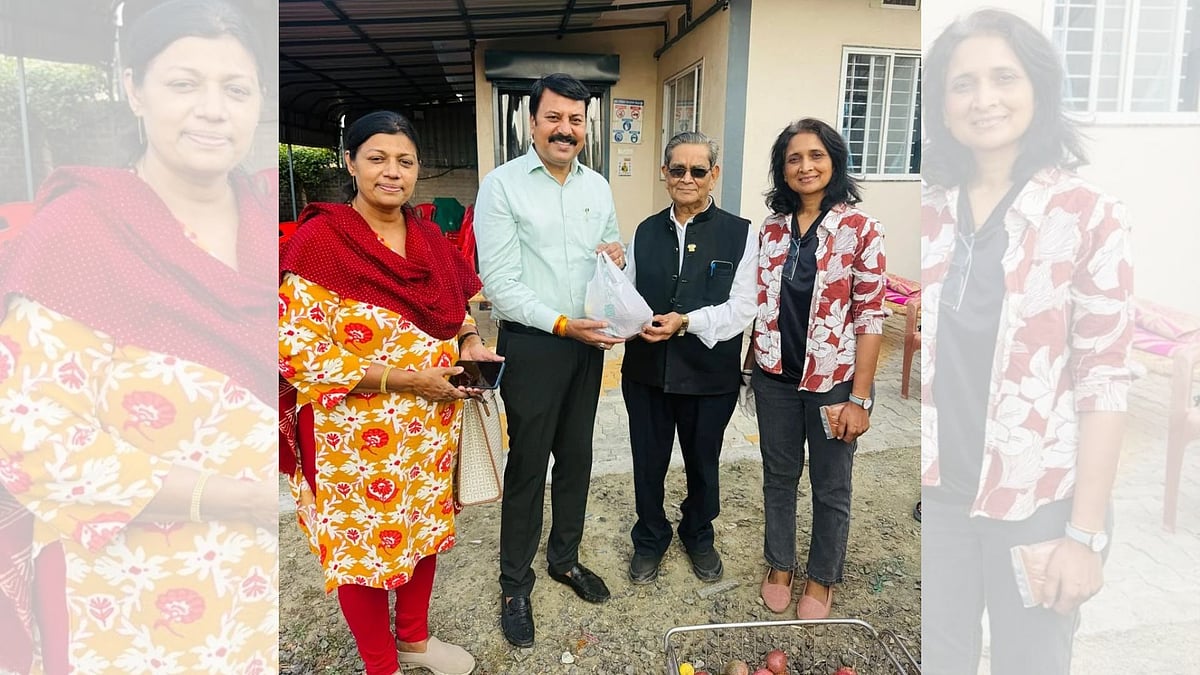
Swati Namdev from Pivlay village in Mhow successfully grew passion fruit, marking a first for Madhya Pradesh. Her experiment drew many farmers and Agriculture Department officials to her farm last Wednesday. Joint Director Jitendra Kumar Singh said the initiative aimed to introduce farmers to alternative crops and modern farming techniques.
Swati Namdev, a farmer from Pivlay village in Indore's Mhow tehsil, has successfully cultivated passion fruit in what is claimed to be Madhya Pradesh's first such initiative. Her experiment attracted Agriculture Department officials and around 50 farmers, including visitors from Ujjain, keen to explore alternative crops and cultivation techniques.
Indore (Madhya Pradesh): A passion for innovation has borne fruit for Swati Namdev, a farmer from Pivlay village in Mhow tehsil, who has ventured into passion fruit cultivation, opening up new possibilities for crop diversification in the district.
Claimed to be the first such initiative in Madhya Pradesh, her experiment with the exotic fruit has attracted the attention of the Agriculture Department and fellow farmers. Known for its nutritional value, passion fruit is also believed to help regulate blood sugar levels.
Encouraged by the crop's successful cultivation in the local climate, the Agriculture Department organised an exposure visit to Namdev's farm last Wednesday. Around 50 farmers from various development blocks participated in the visit to explore the crop's cultivation techniques, production potential and suitability for the region.
Joint Director of Agriculture Jitendra Kumar Singh said the initiative aimed to introduce farmers to alternative crops and modern farming techniques while encouraging agricultural innovation.
The experiment has also generated interest beyond Indore, with farmers from Ujjain district joining the visit to assess the prospects of growing passion fruit in their areas.
Agricultural Technology Management Agency (ATMA), Indore, Project Director Sharli Thomas encouraged farmers to explore potentially profitable crops alongside traditional farming practices.
Agriculture Department officials, scientists and progressive farmers also inspected the cultivation site and exchanged insights on production techniques and the crop's potential.