
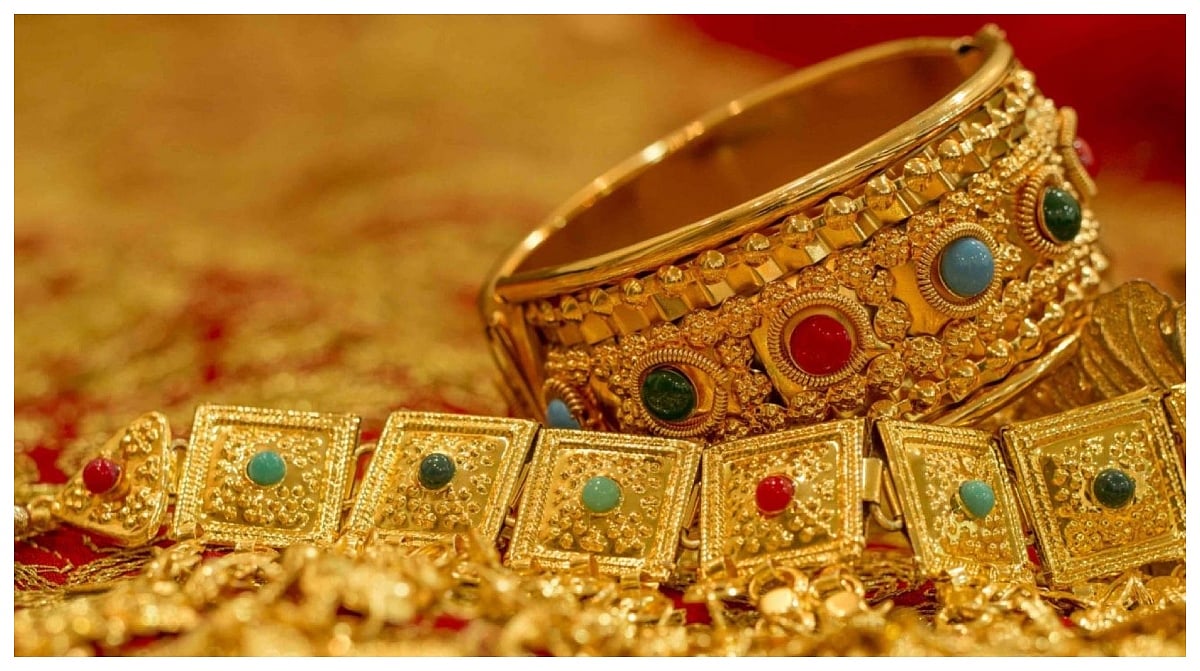
The GJC urged jewellers to tighten quality checks on November 20, 2026, following reports of gold adulteration using Rhenium and Iridium alloys. Spokesperson Surendra Mehta said, “T fear factor. As an association, we are concerned.” Consumers should verify hallmarks via the BIS Care App to ensure gold purity.
Mumbai, November 20, 2026: Amid concerns over reports that certain materials, commonly referred to as Rhenium- and Iridium-based alloys, are allegedly being used to increase the weight of gold without a proportionate increase in its purity, the All India Gem and Jewellery Domestic Council (GJC), the apex body representing the Indian gems and jewellery trade, said it is in communication with the Bureau of Indian Standards (BIS) over the matter.
The reports have caused concern among jewellery traders, with some claiming to have received oral complaints from dealers. Surendra Mehta, spokesperson for the India Bullion and Jewellers Association (IBJA), said the industry was worried about the possibility of such adulteration.
“There is a fear factor. As an association, we are concerned. I cannot say these are rumours because rumours do not stay long. There is concern,” said Mehta.
GJC Urges Jewellers To Strengthen Quality Checks
The GJC said BIS was taking the matter very seriously and maintaining close vigilance. It has urged jewellers and consumers to report any instances of suspected adulteration, fraudulent activity or malpractice to the council as well as directly to BIS to facilitate prompt investigation and necessary action.
Rajesh Rokde, Chairman of GJC, said there was no need to panic, but stressed that vigilance was essential. He said every jeweller must undertake stringent quality-control checks on gold procured from manufacturers, wholesalers and suppliers.
“Consumer service must remain the top priority. Jewellers should not fall prey to lower making charges and should buy from trusted sources only,” said Rokde. He also advised consumers to verify hallmark details through the BIS Care App and insist on GST-paid invoices.
“GJC remains committed to protecting the interests of both the industry and consumers. Any proven case of adulteration or malpractice will be strongly pursued with the appropriate authorities, and strict action should be taken against anyone found manufacturing, supplying or using such materials for fraudulent purposes,” Rokde added.
Traders Seek Investigation Into Source Of Adulteration
Mehta said traders were also uncertain about where the alleged adulteration was taking place. “We do not know the source of adulteration. Jewellers do not mix these substances in gold; it is from other sources. Is it being added by jewellery workers or bullion dealers? The government should find out,” he said, adding that conventional testing methods may not detect such adulteration.
Avinash Gupta, Vice Chairman of GJC, said the Indian jewellery industry's reputation had been built over generations on trust, transparency and quality. Isolated reports or rumours should not be allowed to undermine consumer confidence in the gems and jewellery sector.
Also Watch:
“We encourage all jewellers to strengthen internal quality-control processes and ensure complete compliance and transparency with BIS hallmarking regulations. Consumers, on their part, should purchase jewellery only from reputable jewellers, obtain proper invoices and verify hallmark credentials before making a purchase,” said Gupta.