
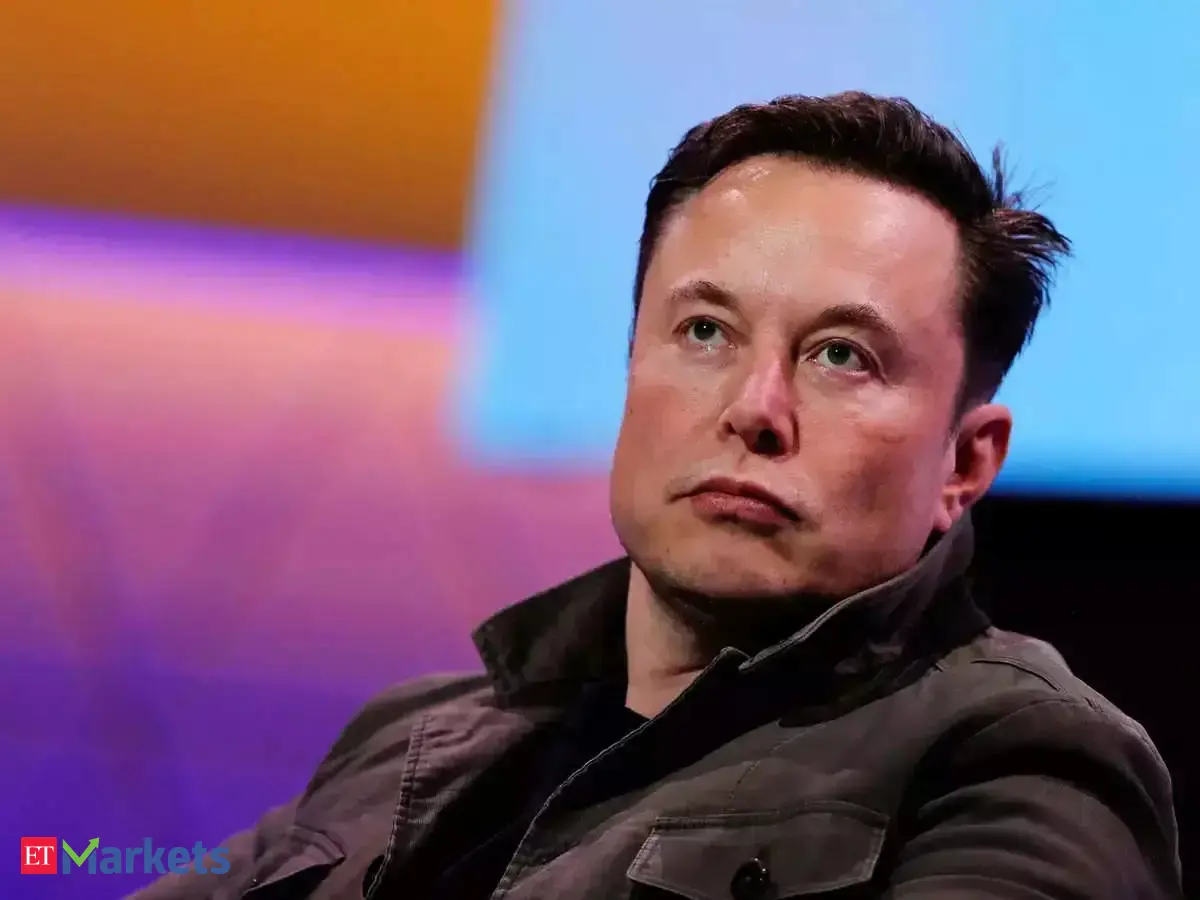
Elon Musk’s proposed Tesla–SpaceX merger faces potential regulatory hurdles in the US and China over national security, sensitive data and technology sharing. Musk said on Tuesday that the two companies had established special committees to discuss a possible merger. Experts suggest strict firewalls might help satisfy both powerful nations.
Synopsis
Elon Musk’s proposed Tesla–SpaceX merger faces potential regulatory hurdles in the US and China over national security, sensitive data and technology sharing. Tesla’s dependence on Chinese manufacturing and revenue complicates efforts to integrate SpaceX’s defence operations.
Elon Musk’s potential merger of Tesla and SpaceX could face significant regulatory hurdles in the United States and China over national security, sensitive data and technology sharing, Reuters reported. The proposed combination would bring Tesla’s extensive Chinese operations under the same corporate umbrella as SpaceX’s defence business.
Musk said on Tuesday that the two companies had established special committees to discuss a possible merger, Reuters reported. However, turning the proposal into reality could prove challenging because of Tesla’s dependence on China for manufacturing and SpaceX’s growing role in sensitive US government and defence contracts.
S&P 500 Top Gainers
Super Micro Computer35.57(9.55%)
Charles River344.87(9.33%)
Datadog273.09(6.50%)
Dell Technologies485.88(5.27%)
S&P 500 Top Losers
Coterra Energy32.56(-8.62%)
AT&T21.91(-6.45%)
DexCom80.26(-6.39%)
Netflix65.04(-5.31%)
SpaceX’s defence-related operations, including Starshield, which develops military and intelligence satellite systems for the Pentagon, could attract heightened scrutiny from US regulators if the company were combined with Tesla’s China business.
At the same time, Beijing requires Tesla to keep confidential data collected through its automated driving systems within China. Any merger would therefore need safeguards to prevent sensitive information and technology from crossing corporate and national boundaries, Reuters reported.
Live Events
Can Tesla retain its China operations?
One possible solution would be to establish strict firewalls separating Tesla’s Chinese operations from SpaceX and the rest of the merged business. Such arrangements could allow Tesla to maintain its presence in China while limiting access to sensitive information, Reuters reported.
Daniel Kollar, head of the automotive and mobility practice at consultancy Intralink Group, said companies such as Airbus and Honeywell had maintained substantial defence businesses outside China while continuing to operate in the country.
A two-way firewall would likely be necessary to satisfy both Washington and Beijing. Tesla has complied since 2021 with Chinese requirements to store driver data collected in the country domestically.
Michael Dunne, chief executive of automotive advisory firm Dunne Insights, said Tesla could potentially continue operating in China as a self-contained business with independent research and development operations and strict data-protection arrangements, Reuters reported.
However, securing approval from both governments could be difficult. Christopher Tang, a professor at UCLA’s Anderson School of Management specialising in global supply chains, said Beijing could use the proposed merger as leverage to negotiate concessions.
China could seek access to strategically important technologies for domestic companies or commitments to preserve manufacturing capacity and investment in the country, according to Ioannis Kokkoris, a professor of competition law and economics at Queen Mary University of London, Reuters reported.
Any demand involving sensitive SpaceX technologies could conflict directly with US national security restrictions, creating a potential obstacle to regulatory approval.
Would Musk consider selling Tesla’s China business?
Another option would be to separate Tesla’s Chinese operations from the merged entity. Reuters reported that analysts had identified three broad possibilities: a spinoff in which Tesla retains a majority economic interest, a sale accompanied by long-term brand licensing arrangements, or an outright sale to another automaker.
Finding a buyer could be difficult. Chinese automakers are unlikely to seek additional manufacturing capacity, while many foreign carmakers face financial constraints that could limit their ability to acquire Tesla’s operations in the country, according to Li Yanwei, an analyst at the China Automobile Dealers Association.
Kollar suggested that Musk might consider selling parts of the China business rather than transferring control of the entire operation. However, he expected Tesla to seek a way to retain its Chinese presence if Musk did not intend to signal a retreat from the automotive industry, Reuters reported.
Tesla China and China’s State Administration for Market Regulation did not respond to requests for comment, Reuters reported.
China remains critical to Tesla’s finances
A complete separation from China could carry substantial operational and financial costs for Tesla. Chinese suppliers are deeply integrated into Musk’s broader business operations, while Tesla’s Shanghai factory accounts for more than half of its global production, according to Yale Zhang, managing director of Shanghai-based consultancy AutoForesight, as cited by Reuters.
Nevertheless, some investors believe Tesla could persuade US regulators that its Chinese operations do not overlap with SpaceX’s defence activities.
Brian Mulberry, chief market strategist at Zacks Investment Management, which invests in Tesla and SpaceX, said Tesla had been expanding its US manufacturing ambitions, particularly in humanoid robots and the Cybercab autonomous vehicle. He suggested that the company could argue that its China operations could remain separate from SpaceX and, if necessary, scale back production in the country, Reuters reported.
However, Tesla’s current electric vehicle business remains heavily dependent on China, even if its longer-term growth ambitions increasingly centre on other markets, Tang said.
Much of the cash flow supporting Musk’s future projects continues to come from Tesla’s Chinese electric vehicle production, making a rapid withdrawal from the market difficult, according to Reuters.
The proposed merger would therefore present a delicate balancing act for Musk: preserving Tesla’s manufacturing capacity and financial contribution from China while meeting US national security requirements and Beijing’s data-protection rules.
(You can now subscribe to our ETMarkets WhatsApp channel)
(What's moving Sensex and Nifty Track latest market news, stock tips, Budget 2025, Share Market on Budget 2025 and expert advice, on ETMarkets. Also, ETMarkets.com is now on Telegram. For fastest news alerts on financial markets, investment strategies and stocks alerts, subscribe to our Telegram feeds .)
Subscribe to ET Prime and read the Economic Times ePaper Online.and Sensex Today.
Top Trending Stocks: SBI Share Price, Axis Bank Share Price, HDFC Bank Share Price, Infosys Share Price, Wipro Share Price, NTPC Share Price
...moreless
The global business of promising more
One company, 2 words. Bond yield and CDS: Will they decide the fate of global markets?
Business of Odd Things: Inside an industry that farms fish that nobody is meant to eat
War's second-order effects are becoming visible in critical sectors
US mid-term elections – Part 2: What does it mean for Trump to lose control of Congress?