
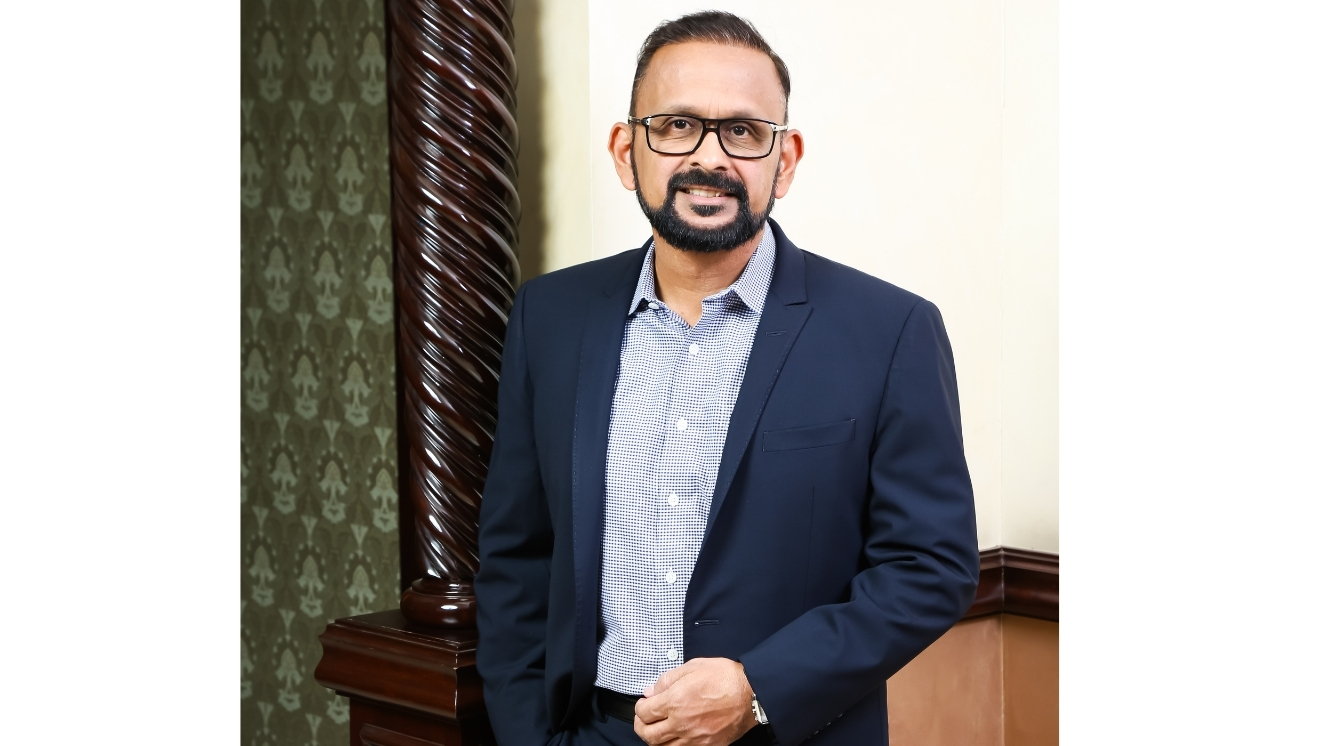
Rising food costs and the loss of input tax credit are hurting India’s $16-billion contract catering industry. Sanjay Kumar, CEO of Rassense, said, "We have never seen these prices kind of prices in our lives ever." Many operators now face negative margins, forcing them to walk away from large accounts.
Rising input costs across dairy products, edible oils and perishables are squeezing margins across India's $16-billion contract catering industry, with operators slipping into negative territory, according to a top executive at Rassense, the country's largest domestically owned contract food services company.
Milk prices have risen by 4-6%, while rupee depreciation has pushed up the cost of lentils by 2-3%, said Sanjay Kumar, MD & CEO of Rassense. "In percentage terms, it might sound less but these are all lifetime high prices. We have never seen these prices kind of prices in our lives ever," Kumar told FE.
The industry typically operates with raw materials accounting for 66-71% of the cost of goods sold (COGS), while labour expenses contribute another 23-25%, leaving operators with thin EBITDA margins of 4-5%. The three key categories driving up input costs are dairy products such as milk, edible oils, and perishables, including vegetables and fruits, Kumar said.
The cost pressures are beginning to affect contract viability, with Rassense taking a hit on margins and walking away from accounts where operating economics have become unsustainable. "We have resigned three large accounts in less than the last two months because it is negative margin at an operating level," he said.
Rassense serves more than 350,000 meals a day to clients including Maruti Suzuki, Tata Motors, Ashok Leyland and Foxconn. Corporate clients, primarily original equipment manufacturers (OEMs) in the automobile and electronics manufacturing sectors, account for the bulk of its revenue. Educational institutions contribute 25-30%, while healthcare accounts for less than 2%.
The margin pressure, according to Kumar, is compounded by the absence of input tax credit (ITC) on raw materials. When GST was introduced, food service operators could claim ITC on raw materials. However, the benefit was withdrawn two years later, with contract food service providers brought under the restaurant category.
Kumar said this classification does not reflect the operating realities of contract food service providers, which cannot revise prices charged to institutional clients as frequently as hotels and restaurants can adjust menu prices.
"5% flat tax was put. As a result, 50% of the EBITDA margins got wiped out in an industry which is the second largest employer of people in the country," Kumar said, adding that the industry wants the government to restore ITC in the form in which it was originally envisaged.
Rassense was formed in 2020 through a leveraged buyout of Chennai-based CRCL, funded by Spark Capital. Since the acquisition, the company has grown its revenue to around ₹600 crore from ₹291 crore at the time of the buyout.
The company had earlier set an ambition of becoming a ₹1,000-crore enterprise in 1,000 days. Kumar said it has not abandoned that target, although it plans to moderate growth and focus on consolidating operations in the near term.
"We will definitely not give up on that ambition," Kumar said, adding that the company would slow down this year to consolidate its cost structure.
"Our bigger focus is on reducing the cost of capital; Spark AIF was an expensive debt because it's a leverage buyout," Kumar said, adding that the immediate priority is to turn around the business, strengthen free cash flow, and become debt-free next year.
On plans to raise fresh capital, Kumar said the current industry environment makes it difficult to secure equity funding on terms that meet investor expectations. Investors typically seek returns on capital within 12-36 months, he said, a timeline that makes raising funds challenging amid the prevailing margin pressures. "With that nervousness it doesn't make sense to raise equity or capital," he said.