
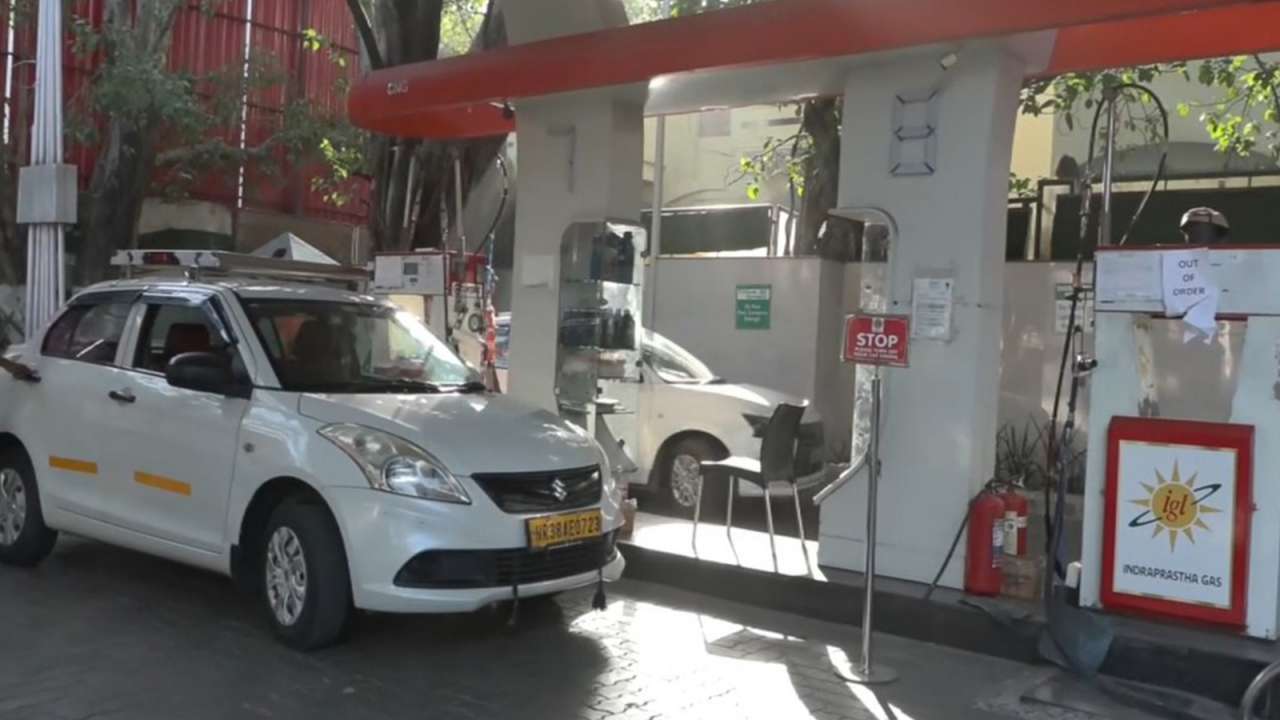
CNG prices in Mumbai rose by Rs 1.50 per kg from Sunday, November 15. Mahanagar Gas Limited raised the rate to Rs 91.50 per kg, marking the eighth hike this year. The company said the revised rates would help recover additional expenses and maintain an uninterrupted supply of CNG for many.
CNG users in Mumbai and neighbouring areas will have to pay more from Sunday, November 15, after Mahanagar Gas Limited (MGL) raised the price by Rs 1.50 per kg.
With the revised rates, CNG now costs Rs 91.50 per kg. The latest increase comes after a series of price revisions over the past few months, adding to expenses for auto-rickshaw and taxi drivers, as well as private vehicle owners.
The price has increased by Rs 5.50 per kg over the past two-and-a-half months alone.
Eighth price hike in Mumbai this year
The latest revision marks the eighth CNG price increase in Mumbai in 2026. MGL implemented the new rates from midnight on November 14. CNG was selling at Rs 80.50 per kg in January. At the current rate of Rs 91.50, the fuel has become costlier by Rs 11 per kg since the beginning of the year, an increase of nearly 14 per cent.
The price revisions during 2026 include:
* February: Increase of 50 paise per kg
* April: Increase of Rs 1 per kg
* May: Two increases of Rs 2 per kg each
* September: Increase of Rs 2 per kg
* October: Increase of Rs 1 per kg
* November 1: Increase of Rs 1 per kg
* November 15: Increase of Rs 1.50 per kg
Why has MGL increased CNG prices?
MGL has attributed the latest hike to lower availability of domestically produced natural gas and higher procurement expenses. The company has had to depend more on imported Re-gasified Liquefied Natural Gas (RLNG) to meet demand. Rising international gas prices amid tensions in the Middle East have also increased its costs.
MGL said the revised rates would help recover part of the additional expenses and maintain an uninterrupted supply of CNG.
Nearly 13 lakh vehicles likely to feel the impact
The increase is expected to affect around 12.93 lakh CNG-powered vehicles across the Mumbai Metropolitan Region (MMR).
These include auto-rickshaws, taxis, private cars and public transport vehicles. Drivers of commercial vehicles are likely to face higher daily running costs, while private vehicle owners will also have to spend more on fuel.
The increased operating expenses could eventually put pressure on passenger fares as well.