
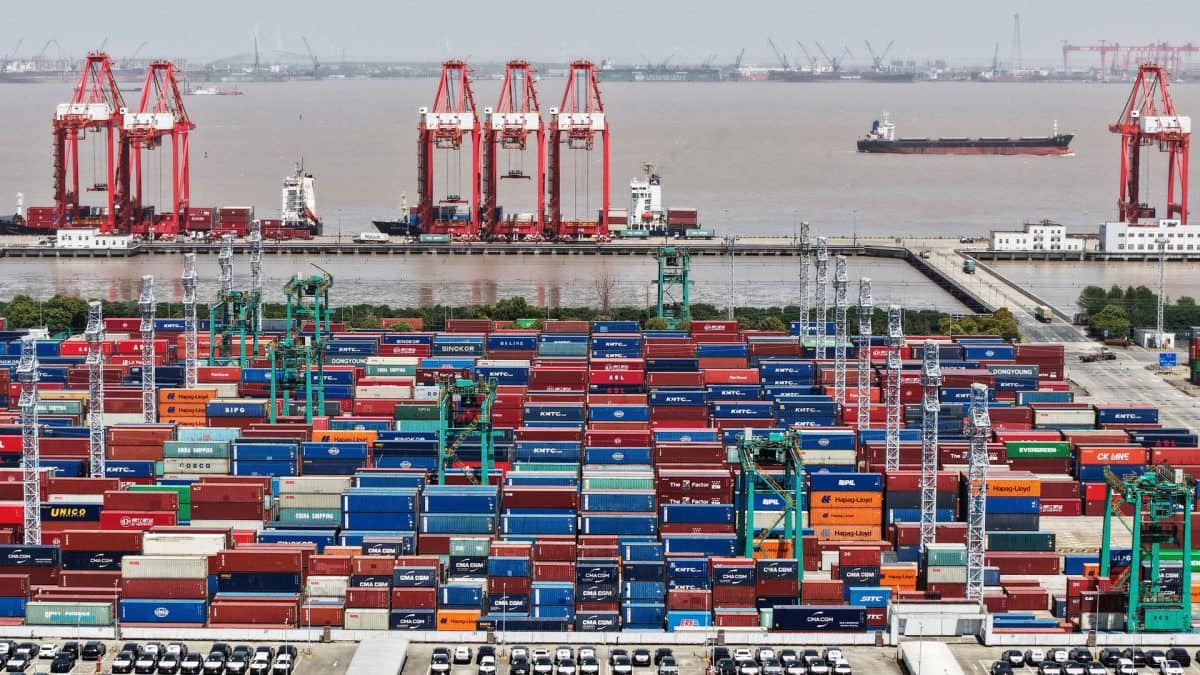
China's economy grew by 4.5 per cent in the third quarter of 2026. Data from the National Bureau of Statistics showed this expansion beat economist forecasts. While AI exports helped, weak consumer spending and a property slump remain big problems. Beijing now faces a tough road to sustain its annual growth.
AI-driven exports support China's growth, but weak consumer spending, a property slump and rising trade tensions threaten its economic recovery
China's economy grew by 4.5 per cent in the third quarter of 2026, recovering from a three-year low in the previous quarter as demand for artificial intelligence (AI) hardware supported exports. However, weak consumer spending, a prolonged property downturn and rising trade tensions continue to challenge Beijing's efforts to sustain growth.
Gross domestic product (GDP) expanded by 4.5 per cent year on year in the July-September period, compared with 4.3 per cent in the previous quarter and 5 per cent in the January-March period, according to data released by China's National Bureau of Statistics (NBS) on Monday.
Growth was above the 4.41 per cent forecast by economists surveyed by Chinese financial data provider Wind. However, the latest expansion places China at the lower end of its annual growth target of 4.5 to 5 per cent, which is less ambitious than the approximately 5 per cent target set in previous years.
China's economy grew by 4.6 per cent in the first nine months of 2026. While the latest figures suggest that Beijing remains broadly on track to meet its annual target, the recovery continues to depend heavily on exports rather than a sustained revival in domestic consumption and investment.