
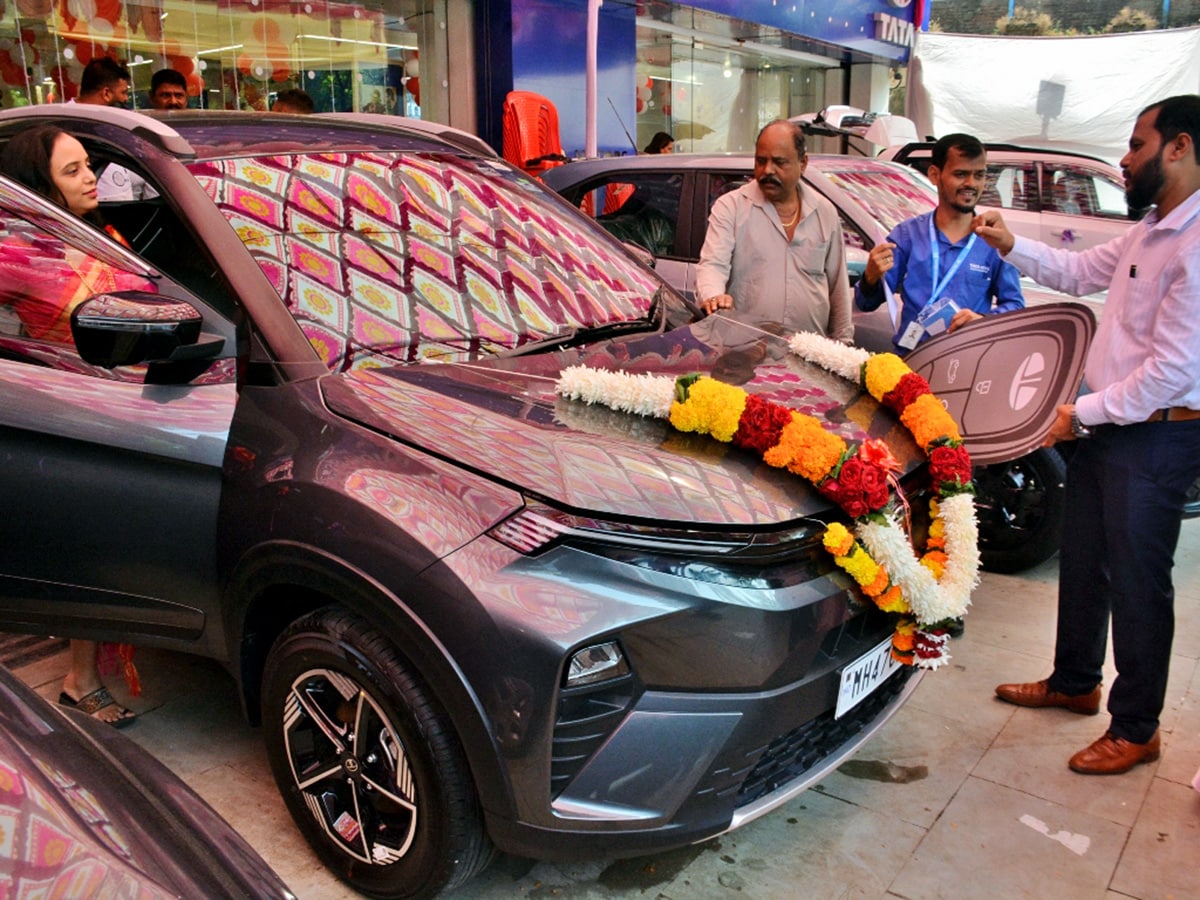
Car sales fell 7.16 percent this festive season, even as electric vehicle sales jumped 52.62 percent to over 5,00,000 units. FADA president Sai Giridhar said, "The 42-day festive season of 2026 will be remembered as the year Indian auto retail set a record on top of a record." Prices may rise now.
Two-wheelers had recorded the second-highest growth rate at 21.56 percent last year.
This year, two-wheelers rose 3.67 percent, three-wheelers 5.32 percent, commercial vehicles 7.13 percent, tractors 2.24 percent and construction equipment 26.06 percent.
FADA considers the period from first day of Navratri to 15 days after Dhanteras as the festive period so as to capture the delay in vehicle registration.
A cut in the goods and services tax (GST) on September 22, 2025, which lowered the indirect tax on small cars and motorcycles of up to 350cc to 18 percent from 28 percent led to an unprecedented surge in demand last year, creating a high base of comparison for this year.
Compared with the 2024 festive season, PV sales are up 16.43 percent, while overall retail was 23.95 percent higher.
"The 42-day festive season of 2026 will be remembered as the year Indian auto retail set a record on top of a record," says Sai Giridhar, president, FADA. PV sales were down more than 18 percent at the Navratri stage, FADA adds, before demand picked up around Dhanteras and Diwali and the full-period deficit narrowed to less than half of that.
Electric Momentum
Electrification continued to gain momentum, with every category up. Total EV retail sales rose 52.62 percent to 5,09,667 units, crossing 5,00,000 in a festive season for the first time, FADA says.
Electric PV sales rose 72.91 percent to 52,104, electric two-wheelers 61.10 percent to 330,846 and electric three-wheelers 25.45 percent.
Electric commercial vehicles rose 154.56 percent, from a small base of 2,509 to 6,387.
EVs made up about 9.2 percent of all festive retail sales, and electric cars about 7 percent of passenger vehicle sales.
Price Hikes
With the festive season over, carmakers are likely to start raising prices again.
Maruti Suzuki has moved first, with the country's largest carmaker increasing prices of select models from November 22. The estimated volume-weighted average increase is about 0.31 percent, the company said. It is Maruti's fourth increase this fiscal.
Automakers have taken multiple rounds of increases this year but held back during the festive season to avoid disrupting demand.
On its Q2 earnings call this month, Mahindra & Mahindra said it had raised auto prices by 5 percent so far, and that further increases would be used only if cost pressures looked structural. The company listed steel and base metals, rubber, precious metals, currency and oil prices as key cost drivers.
Hyundai Motor India has a price increase scheduled for January. Asked whether prices might rise before January, Managing Director and CEO Tarun Garg said the carmaker had absorbed as much of the rise as it could, hoping prices would come down, but that had not happened. "As of now, we will try to restrain," he had said in an earlier conversation with Forbes India.
Tata Motors Passenger Vehicles has raised prices three times this year, most recently by up to Rs 25,000 from September 1, and has said any further increases would be calibrated.
The PV industry is expected to grow around 10 percent this fiscal year and cross 5 million units, with Maruti's Senior Executive Officer for Marketing & Sales Partho Banerjee projecting 5.3-5.4 million, from about 4.8 million last year.
FADA says India is on course for its first year of more than 30 million vehicle retail sales.