
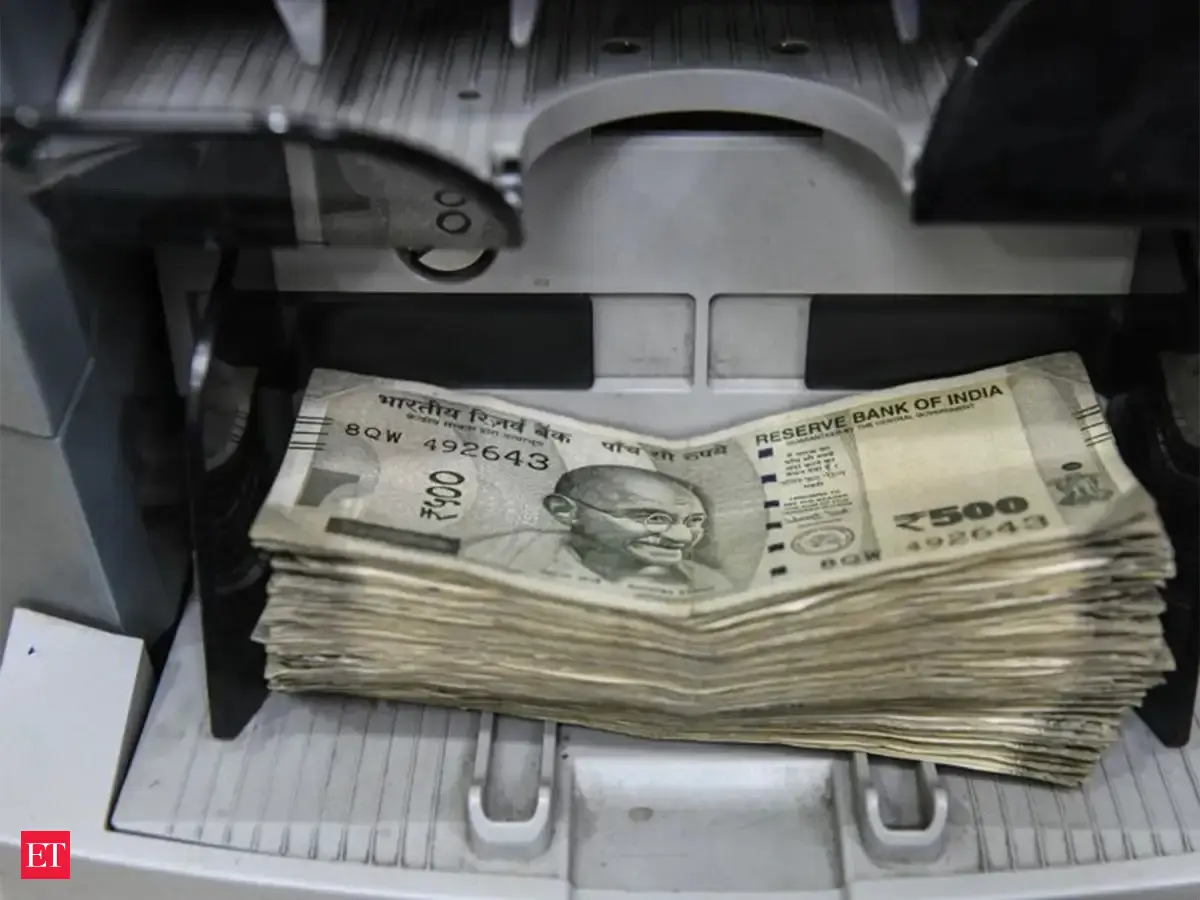
The PHD Chamber of Commerce and Industry urged the government to scrap long-term capital gains tax on equities for the Union Budget 2027-28. They also want short-term capital gains tax cut to 10%. The body said, "To strengthen India's MSME ecosystem further, PHDCCI recommends the change in classification of non-performing assets."
Synopsis
PHD Chamber of Commerce and Industry has made recommendations for the Union Budget 2027-28. They have proposed abolishing long-term capital gains tax and reducing short-term capital gains tax rates. The chamber has also called for relaxed loan repayment norms and higher loan limits for MSMEs. They highlighted the economic significance of MSMEs in India's GDP and employment. Improved access to credit and equity support could enhance India's global manufacturing position.
New Delhi: The PHD Chamber of Commerce and Industry (PHDCCI) has urged the government to abolish long-term capital gains (LTCG) tax on equity investments and reduce short-term capital gains (STCG) tax from 20 per cent to 10 per cent as part of its recommendations for the Union Budget 2027-28.
The industry body submitted its pre-Budget recommendations during a leadership meeting with Union Finance Minister Nirmala Sitharaman, seeking reforms to encourage investment in capital markets and improve access to finance for micro, small and medium enterprises (MSMEs).
In its recommendations, PHDCCI proposed the "abolition of LTCG tax on equity investments, reduction of STCG tax from 20% to 10%, and lowering of STT rates" to encourage long-term investment and improve India's capital market competitiveness.
At present, long-term capital gains exceeding Rs 1.25 lakh from eligible equity investments are taxed at 12.5 per cent, while short-term capital gains attract a tax of 20 per cent.
Apart from changes in capital market taxation, the chamber recommended relaxing loan repayment norms for MSMEs by extending the overdue period for classifying loans as non-performing assets (NPAs) from the existing 90 days to 180 days.
Live Events
You Might Also Like:
DPIIT seeks Fillip for local mfg of 100 goods in budget
According to PHDCCI, the proposed change would help smaller businesses manage longer working capital cycles and delays in receiving payments.
"To strengthen India's MSME ecosystem further, PHDCCI recommends the change in classification of non-performing assets (NPA), enhancement of PM MUDRA Loan Limits, strengthening CGTMSE Implementation and Direct Equity Support," said Anil Gupta, President, PHDCCI.
The chamber also sought higher loan limits under the Pradhan Mantri MUDRA Yojana (PMMY), proposing ceilings of Rs 1 lakh under Shishu, Rs 10 lakh under Kishore. It also sought a Rs 20 lakh ceiling for Tarun/Tarun Plus, although loans of up to Rs 20 lakh are already available under the existing Tarun Plus category.
According to the Department of Financial Services (DFS), the existing Pradhan Mantri MUDRA Yojana provides collateral-free loans of up to Rs 50,000 under Shishu, Rs 5 lakh under Kishore and Rs 10 lakh under Tarun.
You Might Also Like:
Budget 2027–28: ASSOCHAM calls for tax reforms to boost investment, manufacturing, ease of doing business and tax certainty
The Tarun Plus category already offers loans of up to Rs 20 lakh to borrowers who have successfully repaid earlier Tarun loans. Separately, under the CGTMSE scheme, eligible credit facilities of up to Rs 10 crore can receive guarantee coverage, with the ceiling increased from Rs 5 crore effective April 1, 2025.
It further recommended direct government equity investment in MSMEs through the Fund of Funds Scheme, with dedicated allocations for start-up seed capital and participation in SME initial public offerings (IPOs).
To improve collateral-free lending, PHDCCI called for stricter compliance by banks under the Credit Guarantee Fund Trust for Micro and Small Enterprises (CGTMSE) and a centralised portal to track loan applications and reasons for rejection.
Highlighting the sector's economic importance, the chamber said MSMEs contribute around 31 per cent to India's GDP, account for 48.58 per cent of exports and provide livelihoods to approximately 32.8 crore people.
"We believe that ease of access to credit, equity support, rationalisation of taxation and strong implementation of Government schemes will foster faster growth of Indian industry as a global manufacturing hub," said Dr Ranjeet Mehta, Secretary General and CEO, PHDCCI.
(You can now subscribe to our Economic Times WhatsApp channel)
Business of Odd Things: The farm that needs no land, freshwater, or fertiliser
KYC and KYB: Inside Pidilite, the company that turned Fevicol into a word for a strong bond – Part 1 of 3
Seoul halts trading, Nifty has its best week since 2021: Money leaving the AI trade – will it land in India?
Junk bonds are cracking at the bottom. Will the noise get loud enough to make ‘junk bond’ a household term again?
PNG connections rise half a million, but how many use piped gas for cooking?
Some elections matter more than you know: No crop changed in the fields, yet sugar, coffee and soya got cheaper in a day