
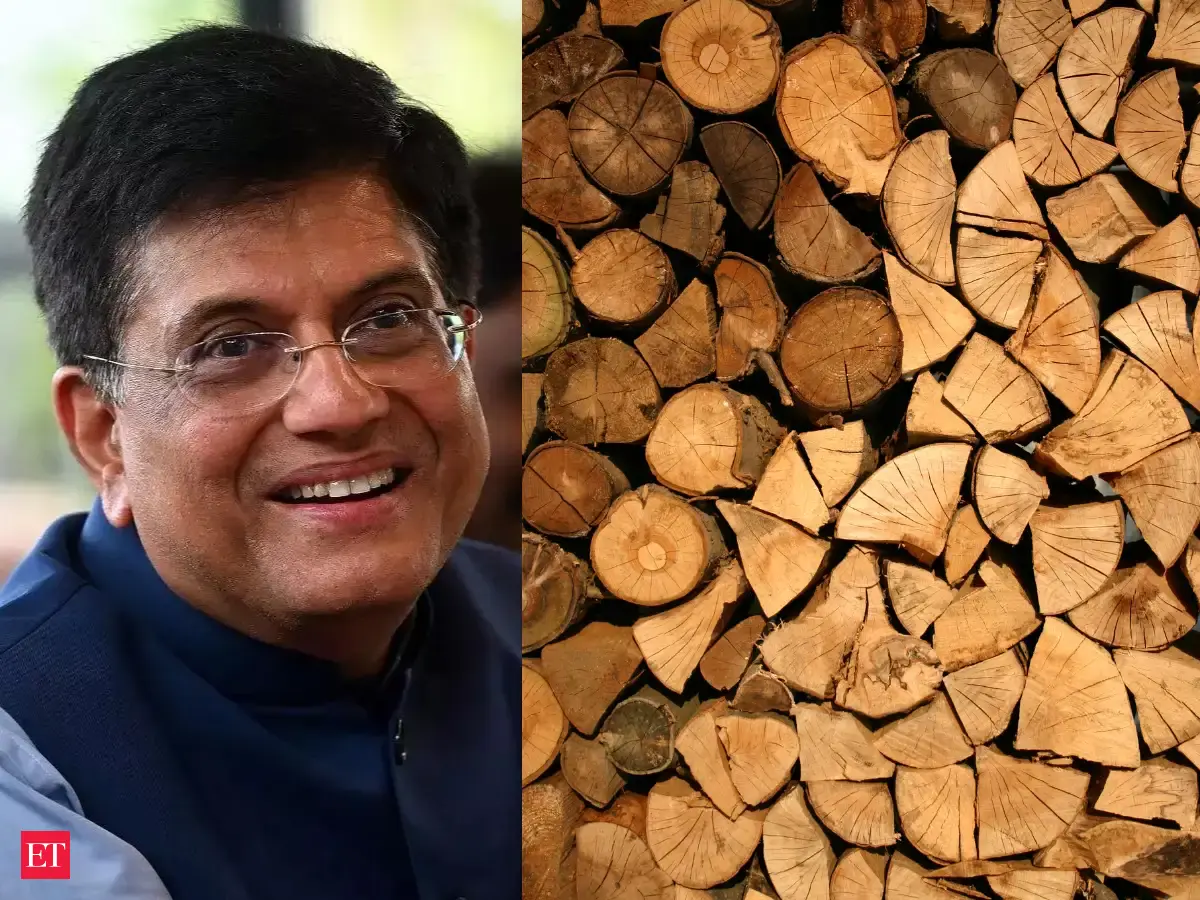
The Centre approved Guwahati airport as an export point for agarwood chips and oil. Piyush Goyal said, "This is a big relief for farmers, producers, and exporters." This move helps the Northeast reach global markets easily. Many farmers now expect better trade as this fragrant gold gets a global gateway.
Assam's agarwood industry has received an export boost after the Centre approved Guwahati airport as an export point for agarwood chips and oil. The move is expected to ease logistics for farmers, producers and exporters across the Northeast, helping them access international markets. Agarwood, also known as oud, is a fragrant resin-rich wood valued for its use in perfumes, incense and traditional fragrances.
Assam's agarwood industry has received a major boost after the Centre approved Lokapriya Gopinath Bordoloi International Airport in Guwahati as an export point for agarwood chips and agarwood oil. The decision is expected to make it easier for farmers, producers and exporters in Assam and other northeastern states to access international markets. Announcing the development, Union Commerce and Industry Minister Piyush Goyal said the approval would bring potential export markets closer to producers and ease logistical challenges for the industry.
"Modi Government has approved Lokapriya Gopinath Bardoloi International Airport, Guwahati, as the export point for Agarwood chips and Agarwood oil. This is a big relief for farmers, producers, and exporters of this special product, of which Assam is a leading producer. It is a massive logistical leap not only for Assam but also for the North East, bringing potential markets closer to home. Many congratulations to our brothers and sisters in Assam as well as the North East," Goyal wrote on X.
But what exactly are agarwood chips and oil, why are they valuable, and how are they used? Here's what to know.
What is agarwood and how is it produced?Agarwood is a fragrant, dark and resin-rich wood that develops in certain trees belonging to the Aquilaria genus. These trees are found across parts of South and Southeast Asia, including India's northeastern region.
The aromatic wood develops when certain Aquilaria trees respond to fungal infection or injury by producing a dark, fragrant resin. This resin gradually accumulates in the wood, giving it its distinctive aroma and making it highly sought after in the fragrance industry.
Not every agarwood tree naturally produces this resin. The formation process can take years, and the quantity and quality of the resin influence the value of the resulting wood.
Agarwood is also known as oud, aloeswood or gaharu in different parts of the world.