
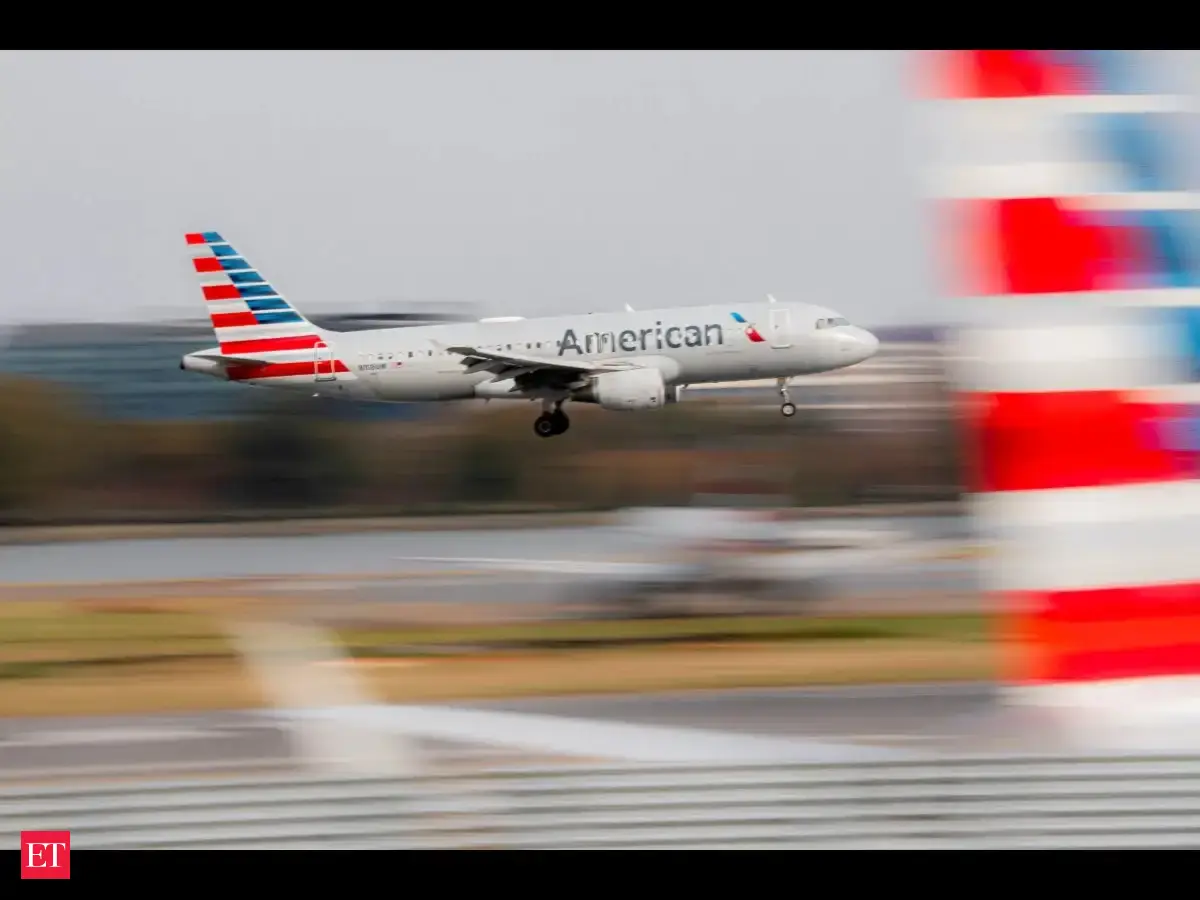
American Airlines Flight 3230 declared a Mayday on November 19 after a SkyWest crew reported flames from an engine. The plane returned to Phoenix Sky Harbor International Airport following a hydraulic issue. All 118 people on board got off safely. The pilot said, "Mayday, Mayday, Mayday, we're going to return."
American Airlines Flight 3230 encountered a Mayday situation shortly after takeoff, linked to a mechanical fault. The aircraft was forced to return to Phoenix Sky Harbor International Airport. Crewmembers witnessed flames from one of the engines and reported a hydraulic issue. Fortunately, all individuals on board were safe, and the airline promptly scheduled a maintenance inspection while providing accommodations for displaced passengers on subsequent flights.
American Airlines Flight 3230, an Airbus A319 flying from Phoenix to Portland, declared a Mayday shortly after takeoff on November 19. According to a report of The Travel, a SkyWest Airlines crew reported seeing flames coming from one of its engines. The aircraft reportedly also experienced a hydraulic issue, prompting the pilots to request an emergency return to the airport.
The flight departed Phoenix Sky Harbor International Airport at approximately 4:14 p.m. local time and landed safely about 20 minutes later. All passengers and crew members were unharmed.
The incident unfolded when a SkyWest Airlines crew, departing behind American Airlines Flight 3230, reported seeing flames coming from one of the aircraft's engines. An air traffic controller relayed the information to the American Airlines pilots, who said they were dealing with a hydraulic problem.
"Alright, we're working on a hydraulic problem; we plan on coming back to the runway," the pilot told air traffic control, as reported by The Travel.
The controller then informed the crew about the SkyWest report, saying, "The SkyWest departing behind you said that they saw flames coming out of one of your engines and you might be leaking something."
The American Airlines pilots subsequently declared an emergency and confirmed their intention to return to Phoenix.
"Yes, Mayday, Mayday, Mayday, we're going to return to Sky Harbor," the pilot said.
According to FlightRadar24 data, the aircraft turned back after approximately three minutes of flight time.
American Airlines issues statement
American Airlines in a statement to The Travel confirmed that Flight 3230 returned to Phoenix but it dubbed it as "a mechanical issue". The airline said the aircraft landed safely, taxied to the gate under its own power and was taken out of service for inspection.
"American Airlines flight 3230 returned to Phoenix (PHX) due to a mechanical issue. The aircraft landed safely, taxied to the gate under its own power and was taken out of service to be inspected by our maintenance team," the airline said.
After the aircraft landed, air traffic controllers reportedly observed smoke coming from its left engine and a flat tire.
There was also a discrepancy in the number of people on board. The pilot reportedly told air traffic control that there were 120 people on the aircraft, while American Airlines reported 113 passengers and five crew members, bringing the total to 118.
What happened to the passengers?
American Airlines said affected passengers would be accommodated on another flight. However, reports differed over the departure time of the replacement service, with one account putting it at 5:45 p.m. and another reporting a departure closer to 10:56 p.m.
The aircraft involved in the incident, registered as N703UW, is approximately 28 years old. It was originally delivered to US Airways in November 1998 before becoming part of American Airlines following the carriers' merger.
Was there an engine fire?
The report of flames coming from the engine has not been independently confirmed. American Airlines attributed the return to a mechanical issue and said the aircraft would undergo maintenance inspections.
The exact nature of the reported hydraulic problem also remains unclear. Aircraft hydraulic systems use pressurised fluid to operate critical components, including landing gear, brakes and flight-control systems.
Hydraulic fluid leaks can pose a fire risk if the fluid comes into contact with sufficiently hot surfaces. However, there is no official confirmation that a hydraulic leak caused the reported flames or that an engine fire occurred during the flight.
No injuries were reported. The aircraft's maintenance inspection is expected to help establish the nature of the mechanical problem. There has been no confirmed information about any investigation by the Federal Aviation Administration or the National Transportation Safety Board.