
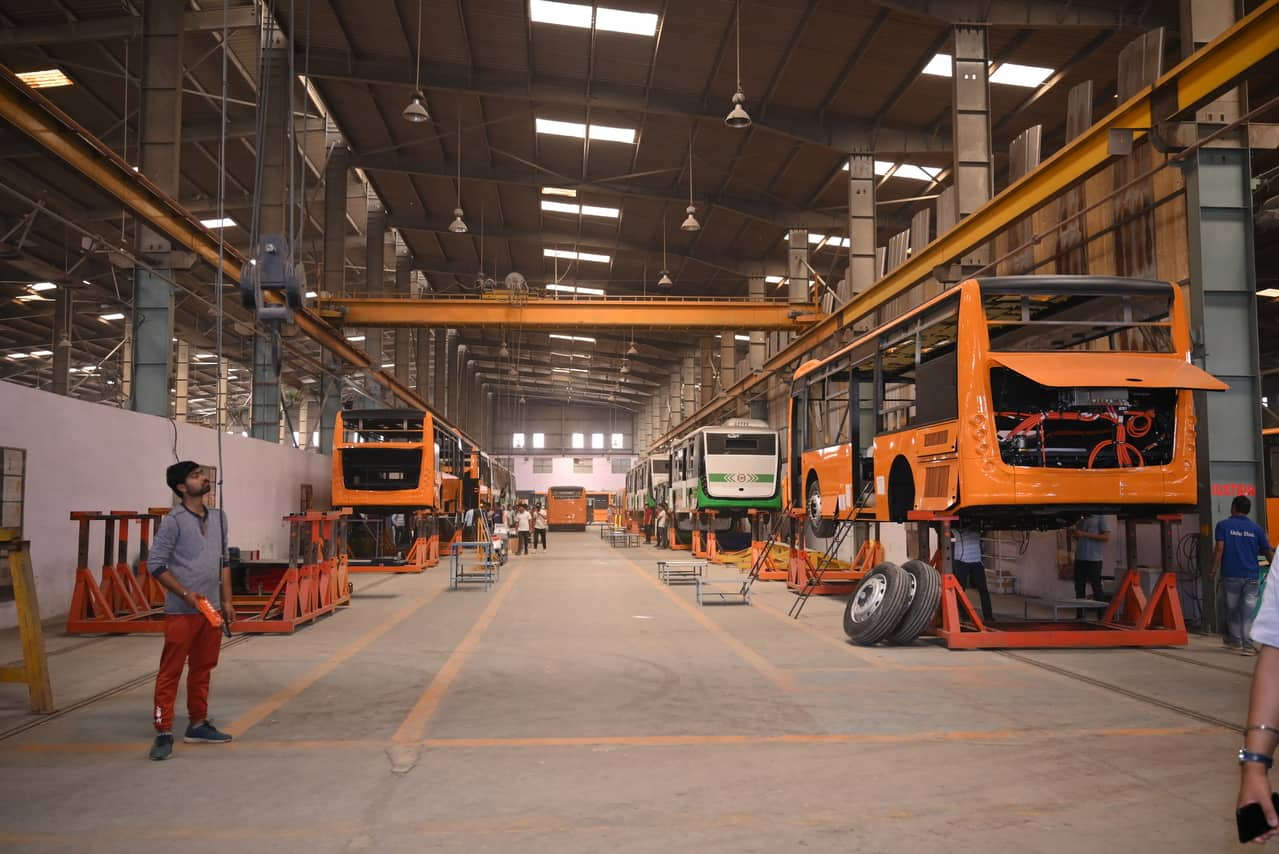
ഒക്ടോബറിൽ ഇന്ത്യയുടെ മാനുഫാക്ചറിംഗ് പിഎംഐ 55.1-ൽ നിന്ന് 54.7-ലേക്ക് താഴ്ന്നെങ്കിലും, മേഖല ഇപ്പോഴും വളർച്ചയുടെ പാതയിലാണ്. ആഭ്യന്തര ഉൽപ്പാദനത്തിൽ നേരിയ കുറവുണ്ടായെങ്കിലും, ആറ് മാസത്തെ ഏറ്റവും ഉയർന്ന നിരക്കിലേക്ക് കയറ്റുമതി ഓർഡറുകൾ കുതിച്ചുയർന്നു. കൂടാതെ, നിർമ്മാണ മേഖലയിലെ പണപ്പെരുപ്പ സമ്മർദ്ദങ്ങൾ കുറഞ്ഞതും വിപണിക്ക് ആശ്വാസകരമായ വാർത്തയാണ്.
Market Mastery
Webinar by Vishal Malkan
Find the weak links
in your portfolio by Vishal Malkan
India's manufacturing activity moderated in October, as growth in factory output and new orders slowed. The HSBC India Manufacturing Purchasing Managers' Index (PMI) eased to 54.7 from 55.1 in the previous month, data released on November 2 shows.
Despite the moderation, the index remained comfortably above the 50-point threshold that separates expansion from contraction and continued to exceed its long-run average.
The slowdown in manufacturing activity was partly offset by stronger international demand, with new export orders rising at their fastest pace in six months.
Manufacturers reported increased orders from several markets, including the United States, the United Kingdom, the UAE, Saudi Arabia, Bangladesh, Canada and Indonesia.
Companies attributed the increase in orders to favourable demand conditions, new client acquisitions and successful marketing campaigns.
Factory production also increased at a sharp pace, exceeding its long-run average. However, output growth eased compared with September, primarily because of slower expansion among intermediate goods manufacturers.
"India’s manufacturing PMI softened to 54.7 in October from 55.1 in the previous month, but remained firmly in expansionary territory," HSBC chief India economist Pranjul Bhandari said.
Robust international demand supported manufacturing output, while firms increased raw material inventories to prepare for potential supply disruptions and higher production requirements, Bhandari said.
Price pressures ease
One of the significant developments in October was the moderation in inflationary pressures across the manufacturing sector.
Input cost inflation declined to its lowest since February, despite manufacturers reporting higher prices for several raw materials and energy.
The pace of increase in selling prices also softened to its weakest in nearly four years, suggesting that manufacturers were passing on relatively limited cost increases to customers.
Hiring slows, business confidence weakens
Manufacturers continued to add workers for the second consecutive month, as higher production requirements and rising workloads supported employment.
Outstanding business volumes rose for the seventh consecutive month, though the accumulation of unfinished work was marginal.
Manufacturers continued to build inventories to meet demand and guard against potential supply disruptions.
Despite sustained growth in orders and production, manufacturers were less optimistic about business conditions.
Business confidence weakened compared with September and remained below its historical average. Only around 18 percent of surveyed manufacturers expected output to increase over the next 12 months, while the remainder anticipated no change.