Short news for quality minds. Power your niche.

TN-SHORE project offers fillip to mangrove afforestation and restoration in Kanniyakumari

TN-SHORE project offers fillip to mangrove afforestation and restoration in Kanniyakumari

The Hindu

The State government started the TN-SHORE project to restore mangrove forests in Kanniyakumari. Finance Minister N. Marie Wilson announced this plan on Wednesday. Expert Siluvai Vaschian said, "Channels can be created within these wetlands and mangrove can be planted along both sides," to help the forest grow and support local fish.

Tap to Read More
DC forms panel to probe 'pollution' of Kabini backwaters

DC forms panel to probe 'pollution' of Kabini backwaters

The Hindu

Mysuru Deputy Commissioner G. Lakshmikanth Reddy formed a four-member committee on Wednesday to probe pollution in the Kabini backwaters. The team will investigate allegations of untreated sewage and solid waste dumping by tourism businesses. They must submit an action taken report within 15 days to protect the local drinking water.

Tap to Read More
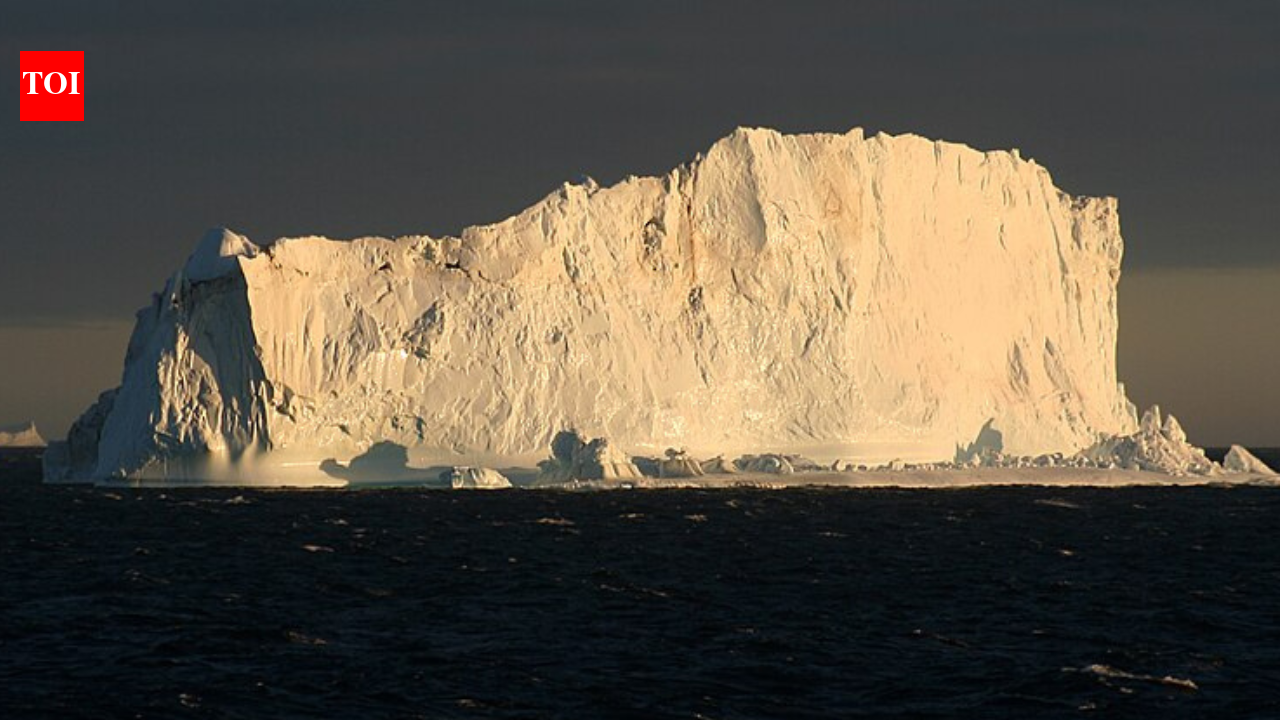
After 30 years 'stuck' in place, a massive iceberg finally drifts away only to meet a lonely, icy end.

After 30 years 'stuck' in place, a massive iceberg finally drifts away only to meet a lonely, icy end.

The Times of India

The massive iceberg A23a finally broke apart after nearly 40 years. It calved from Antarctica in 1986 and stayed stuck on the seafloor for 30 years. It later spun in circles near South Georgia before drifting away. This giant iceberg showed scientists how ice moves across the Southern Ocean.

Tap to Read More
Vultures may look disgusting to many people, but they are quietly saving the world billions by cleaning up what others won't

Vultures may look disgusting to many people, but they are quietly saving the world billions by cleaning up what others won't

The Times of India

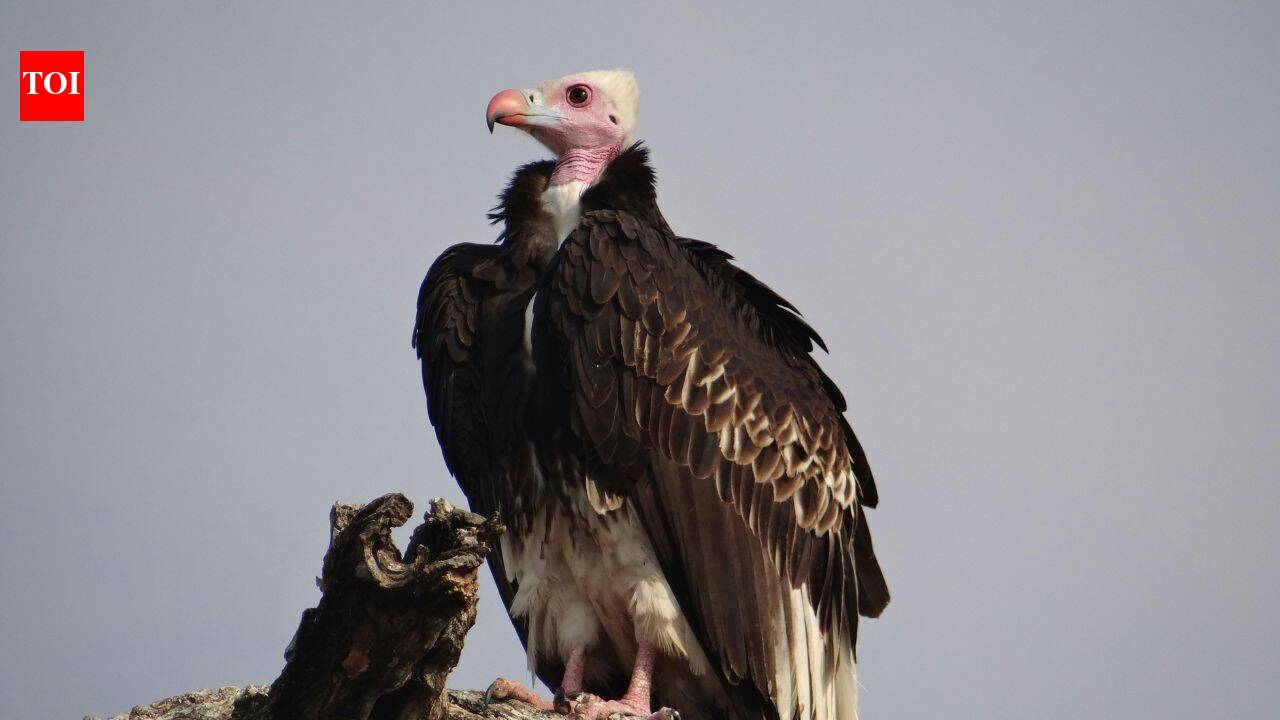
Vultures provide essential waste disposal services worth 1.8 billion US dollars every year in southern Africa. A report by BirdLife International showed these birds clean up carcasses, which stops the spread of disease. Keeping healthy vulture populations helps the environment and saves the region from losing millions in potential costs.

Tap to Read More
Red squirrel vs grey squirrel: 6 key differences in size, appearance, habitat, diet and more

Red squirrel vs grey squirrel: 6 key differences in size, appearance, habitat, diet and more

The Times of India

Britain’s red squirrels have lived there since the last Ice Age, but grey squirrels arrived from North America in the late 19th century. Greys now dominate with 2.7 million, while fewer than 287,000 reds remain. Greys carry a deadly virus and eat food before it matures, causing red squirrel numbers to fall.

Tap to Read More
Yemen is hiding an island of “Dragon’s Blood” trees; most of its reptiles and land snails live nowhere else on earth

Yemen is hiding an island of “Dragon’s Blood” trees; most of its reptiles and land snails live nowhere else on earth

Times of India

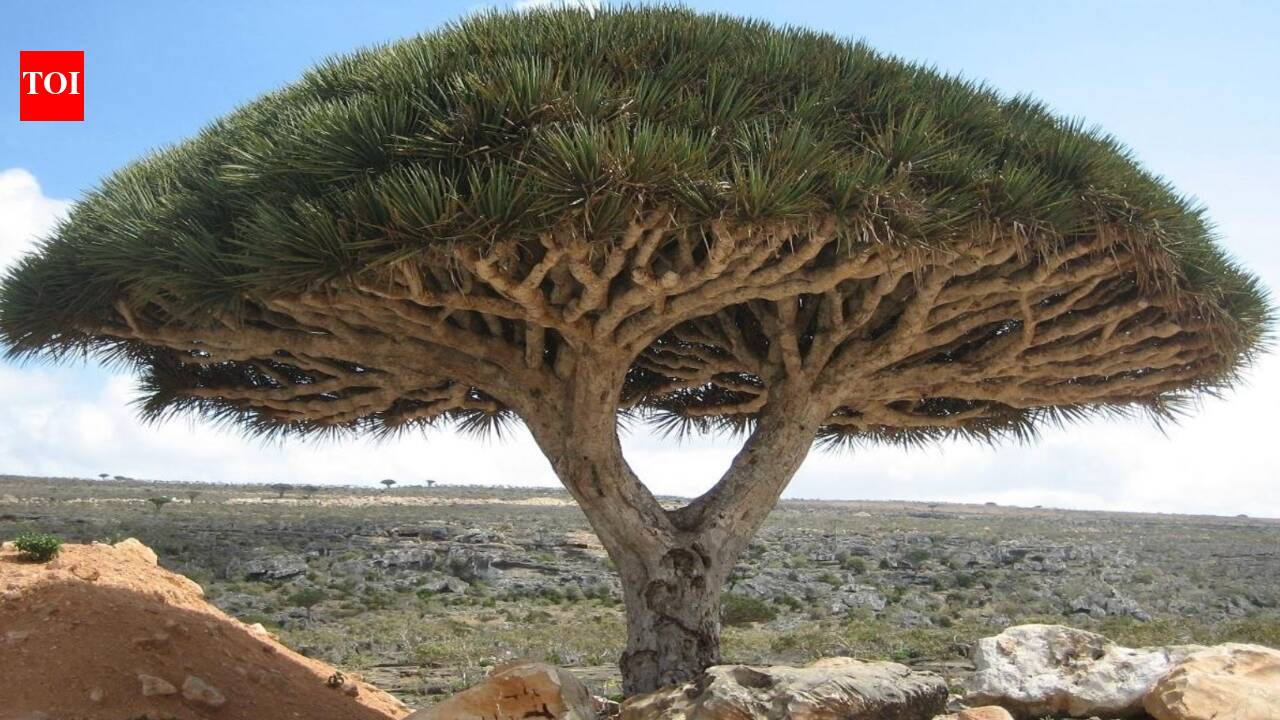
Socotra Island in Yemen hosts unique Dragon’s Blood trees and rare wildlife found nowhere else on earth. Research showed that 37 per cent of its 825 plant species, 90 per cent of reptiles, and 95 per cent of land snails are endemic. Millions of years of isolation helped these species survive.

Tap to Read More
PM2.5 pollution associated with increased disease, flare risk in rheumatoid arthritis: Study

PM2.5 pollution associated with increased disease, flare risk in rheumatoid arthritis: Study

The Tribune

Exposure to PM2.5 pollution increases disease activity and flare risk in rheumatoid arthritis patients, a new study shows. Researchers tracked over 1,000 patients from 2021-2024. Lead researcher Eun Bong Lee said, “We would recommend these patients avoid prolonged exposure to poor air quality, particularly high PM2.5 levels,” to manage health.

Tap to Read More
The 'impossible' just happened: Rays are returning to a NYC waterway once thought dead.

The 'impossible' just happened: Rays are returning to a NYC waterway once thought dead.

The Times of India

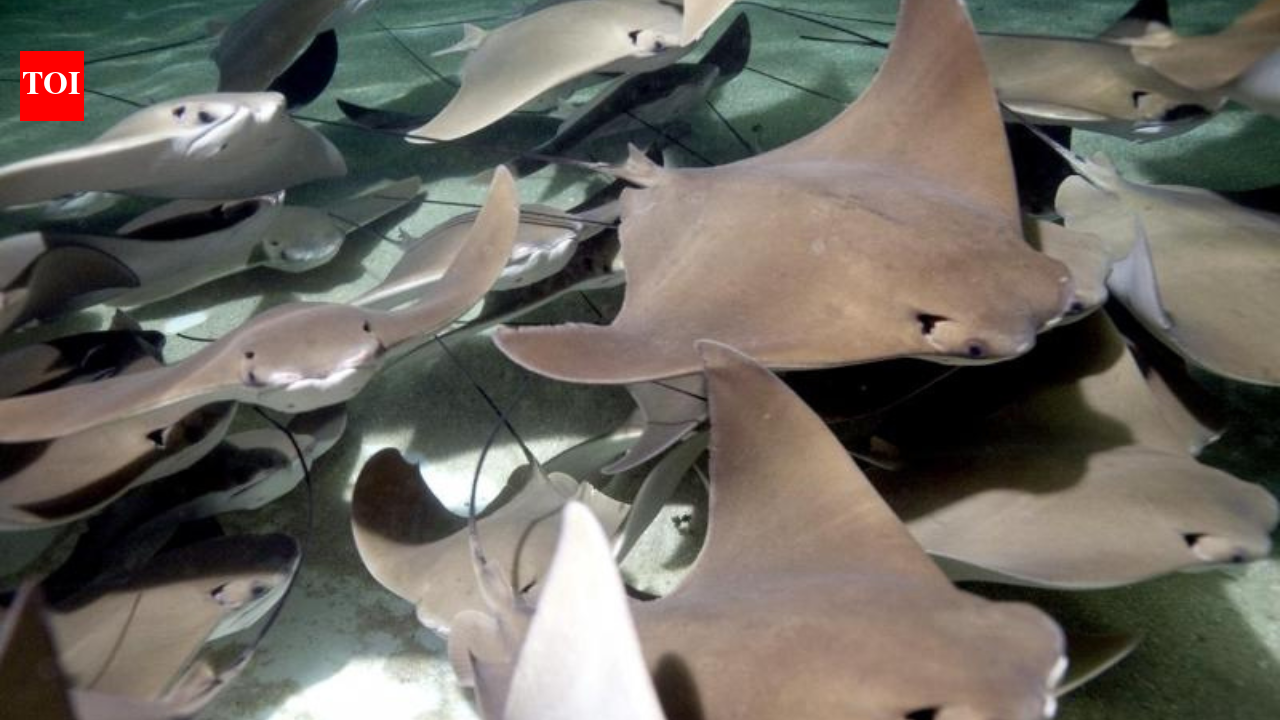
A school of cownose rays appeared in New York City’s polluted Newtown Creek, marking a first for the industrial waterway. The Newtown Creek Alliance spotted the animals swimming together, raising hopes that cleanup efforts are working. Executive Director Willis Elkins said, "I had never previously heard of rays being seen."

Tap to Read More
Meet Theo Quenee, the South Florida teen who turned his rooftop into a greenhouse for 524 hurricane-scattered mangroves

Meet Theo Quenee, the South Florida teen who turned his rooftop into a greenhouse for 524 hurricane-scattered mangroves

The Times of India

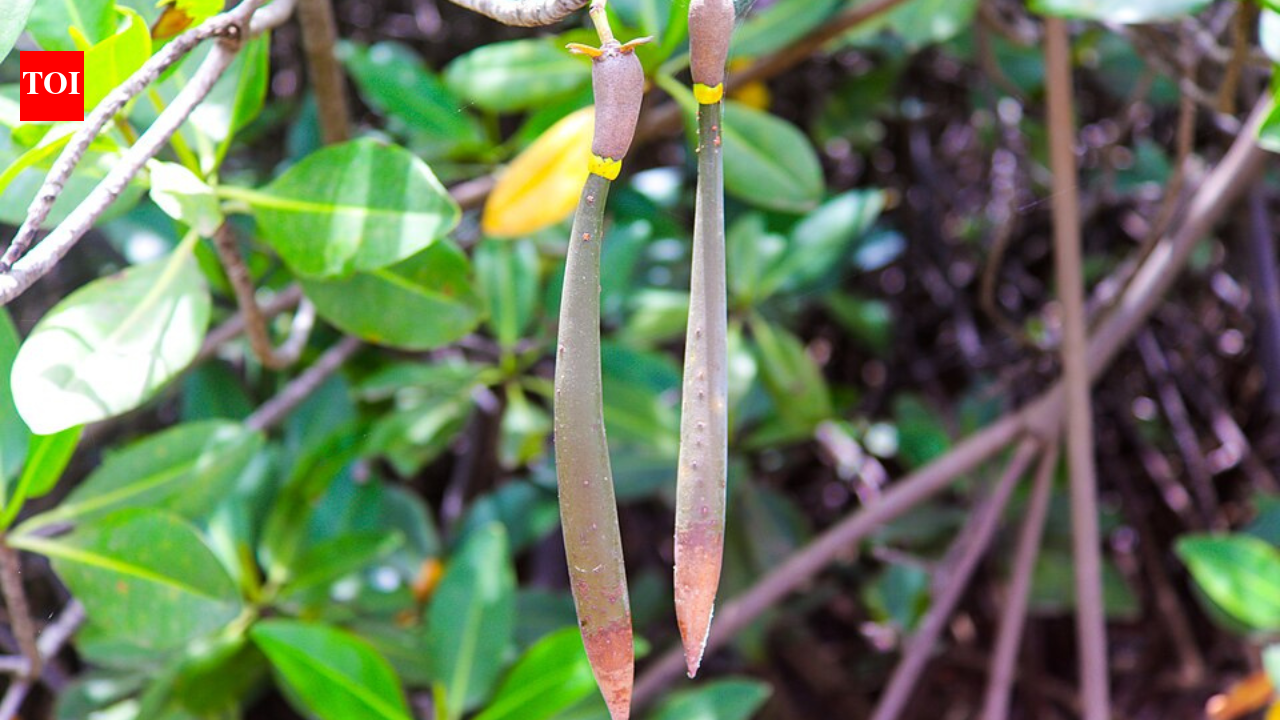
Theo Quenee turned his South Florida rooftop into a greenhouse for 524 hurricane-scattered mangroves. After Hurricane Irma, the teen collected stranded seedlings from roads and debris. He carefully watered them until they grew strong. Friends and local groups later helped him replant these vital trees along the Florida Keys coastline.

Tap to Read More
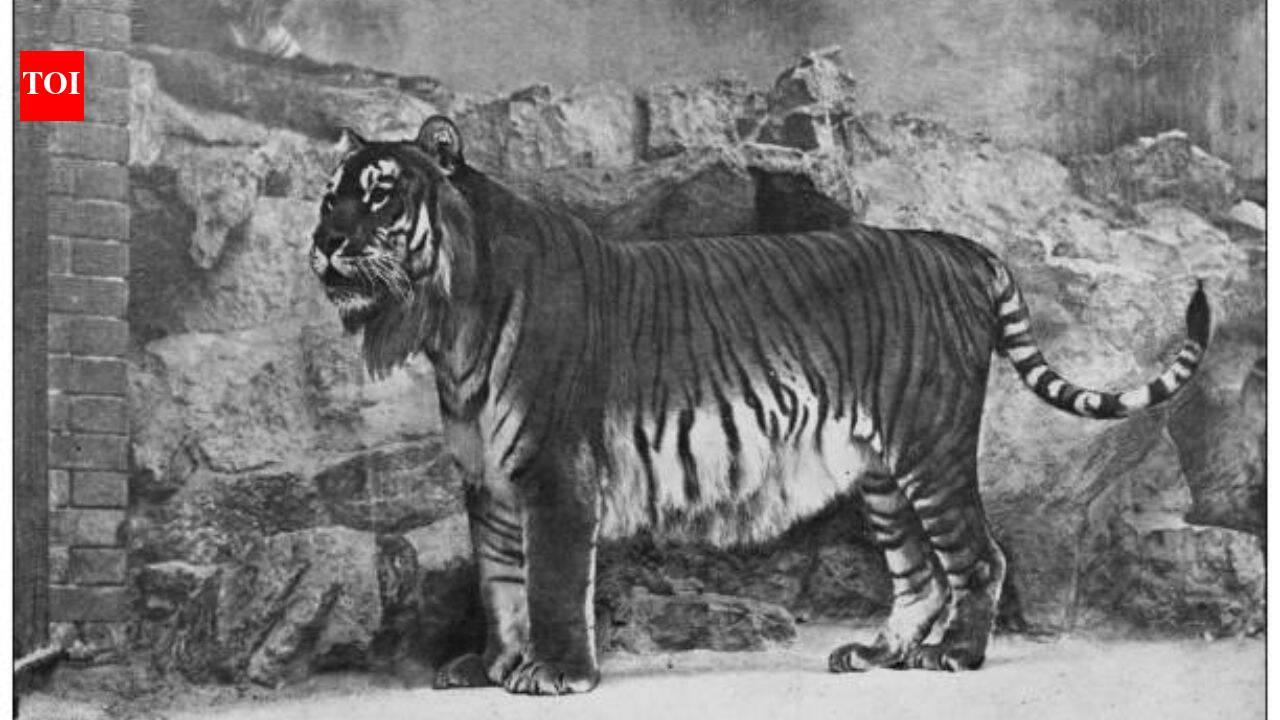
After 70 years of 'silence,' the Caspian tiger returns to the wild—a historic win for nature.

After 70 years of 'silence,' the Caspian tiger returns to the wild—a historic win for nature.

The Times of India

Kazakhstan released its first tiger into the wild after 70 years, marking a historic return for the species. The native Caspian tiger went extinct in 1948 due to hunting and habitat loss. Now, the government hopes to restore the population by bringing in adult tigers from Russia to the steppe.

Tap to Read More
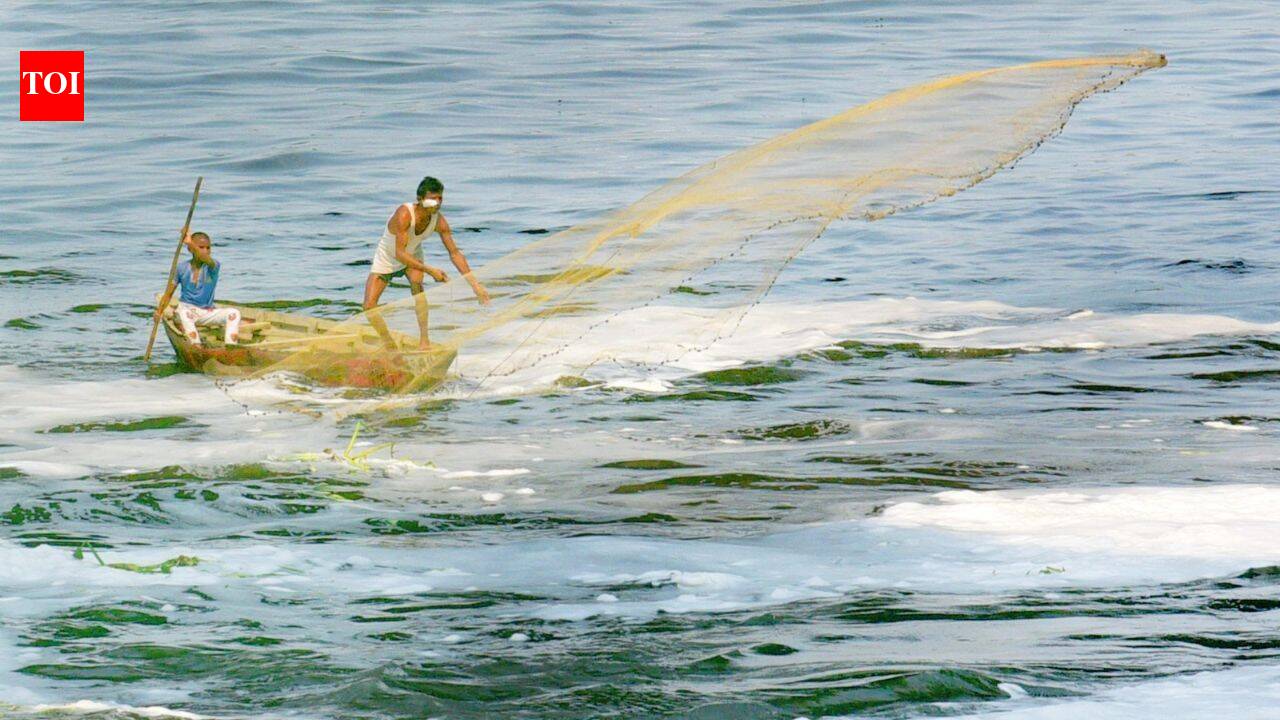
Every fish tested in Yamuna carried microplastics. What it means for your dinner plate

Every fish tested in Yamuna carried microplastics. What it means for your dinner plate

The Times of India

Researchers at the University of Delhi found microplastics in every freshwater fish sampled from the Yamuna river. The study of 220 fish showed 1,678 particles, with the highest levels in Delhi’s stretch. Because these plastics reached muscle tissues, experts worry about human health risks for those who eat these fish.

Tap to Read More
Our coastlines are in 'crisis' as 84% of wetlands sink—can they survive the rising tide?

Our coastlines are in 'crisis' as 84% of wetlands sink—can they survive the rising tide?

The Times of India

Across America's three coasts, 84% of wetlands are slowly submerging; only 16% are rising fast enough to keep pace with the sea. A new study showed these vital ecosystems are losing ground as tides rise. Glenn Guntenspergen said, "Our study provides wetland managers with new information to help them."

Tap to Read More