
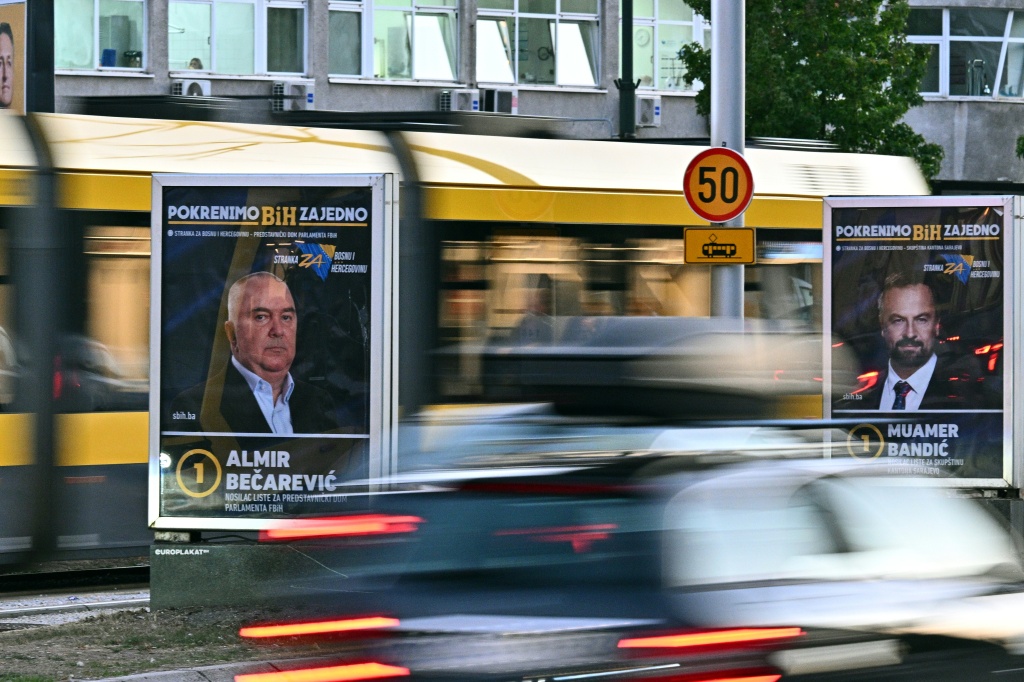
വർഷങ്ങളായുള്ള രാഷ്ട്രീയ അനിശ്ചിതത്വങ്ങൾക്കും തടസ്സപ്പെട്ട പരിഷ്കാരങ്ങൾക്കും ശേഷം ബോസ്നിയയിൽ പൊതുതെരഞ്ഞെടുപ്പ് നടക്കുന്നു. 1990-കളിലെ യുദ്ധകാലത്തെ വംശീയ ഭിന്നതകൾ ഉയർത്തിക്കാട്ടിയാണ് പ്രധാന പാർട്ടികൾ പ്രചാരണം നടത്തുന്നത്. സങ്കീർണ്ണമായ ഭരണസംവിധാനവും വിഭജന രാഷ്ട്രീയവും കാരണം തെരഞ്ഞെടുപ്പ് ഫലം രാജ്യത്ത് വലിയ മാറ്റങ്ങൾ കൊണ്ടുവരില്ലെന്ന ആശങ്കയിലാണ് ജനങ്ങൾ.
Bosnia votes in general elections Sunday after years of political turmoil and stalled reforms, with rival parties campaigning on ethnic divisions rooted in its 1990s war.
Voters will elect a dizzying number of officials across multiple tiers of government, in a complex system that has held the partitioned country together since the 1995 peace deal.
Its key race will be for the tripartite presidency, split between Bosnian Muslims or Bosniaks, and the Serb and Croat ethnic groups, with frontrunners pitting visions of a united country against greater autonomy for the Serb-run entity while Croats seek greater political representation.
But the major parties' repeated focus on war-era rhetoric and division was frustrating for some voters, activist Adi Selman of the Karton Revolucija protest group told AFP.
"I don't think these new elections in Bosnia will change anything," the 34-year-old said in the northern Bosnian town of Tuzla, ahead of the vote.
"The choice is limited to political parties that have already been around for 30 years and basically pick up votes by harping on about war, tensions, divisions and the past."
The US-brokered Dayton agreement ended the 1992-1995 conflict but entrenched divisions that often paralyse decision-making.
It divided Bosnia into two semi-autonomous entities -- the Serb-run Republika Srpska (RS) and a Muslim-Croat federation -- linked by a weak central government.
On campaign posters and billboards in the Serb entity capital of Banja Luka, the face of the entity's former president, Milorad Dodik, beams out.
Despite not being on the ballot --- after being convicted for overstepping his powers and banned from the presidency for six years -- Dodik remains the central power figure in RS.
His regular separatist threats have led to repeated clashes with the central authorities and stymied hopes of political cooperation.
"Bosnia and Herzegovina is dead, it is an impossible country," Dodik told the final rally of his SNSD party in Banja Luka late Friday.
Despite Dodik's two decades of dominance in RS, researcher Adnan Cerimagic from the European Stability Initiative (ESI) told AFP that it was "not impossible" for opposition candidate Branko Blanusa to beat Dodik-backed Savo Minic in the race for RS presidency.
"Dodik and his colleagues cannot be sure that they will be able to ensure victory for their candidate," Cerimagic said.
The arrival of biometric identification and the scanning of paper ballots at thousands of polling stations could also affect the result, he said.
In the Muslim-Croat federation, Bosniak parties are pushing for a stronger central state, with incumbent Bosniak presidency member Denis Becirovic pledging a renewed path to the European Union and NATO.
But Cerimagic said little has changed on that front in years.
"The ruling coalition at state level has made practically no positive progress since 2024, either on reforms or on bringing the country closer to the EU and NATO."
Croat nationalist parties are also pushing for electoral reform, demanding a greater say in choosing the Croat member of the presidency in the entity they share with the more numerous Bosniaks.
For 29-year-old environmental activist Sara Tusevljak, the political deadlock is a key reason many young Bosnians leave the country.
"I know quite a few young people who have left Bosnia precisely for these reasons, because they felt that their state, those in power, had nothing to offer them to make them stay," she said in East Sarajevo, which is in the RS.
"I feel that, in some ways, the situation has never been worse."
Polls open at 7:00 am (0500 GMT) and close 12 hours later.